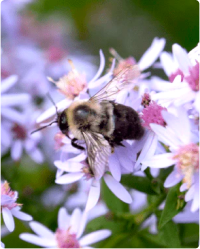
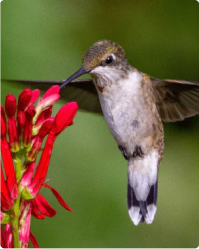
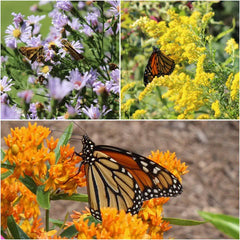
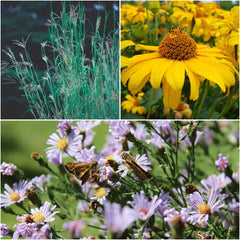







Create a vibrant, pollinator-rich sanctuary with the Hummingbird Haven collection. This curated set is specifically designed to provide a reliable food source and high-quality habitat for hummingbirds from spring through fall. Featuring native perennials with the brightly colored, tubular flowers that hummingbirds find irresistible, this collection ensures your garden is a flurry of activity throughout the growing season.
These resilient plants thrive in full sun and are well-suited for garden borders, pollinator gardens, or naturalized areas. Beyond supporting hummingbirds, this collection provides essential ecological benefits for butterflies, native bees, and other vital wildlife.
What’s Included:
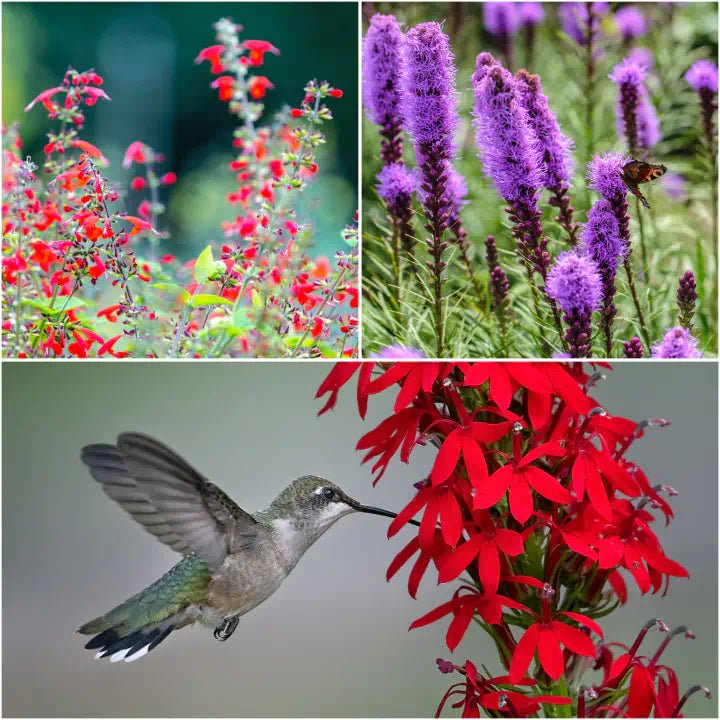
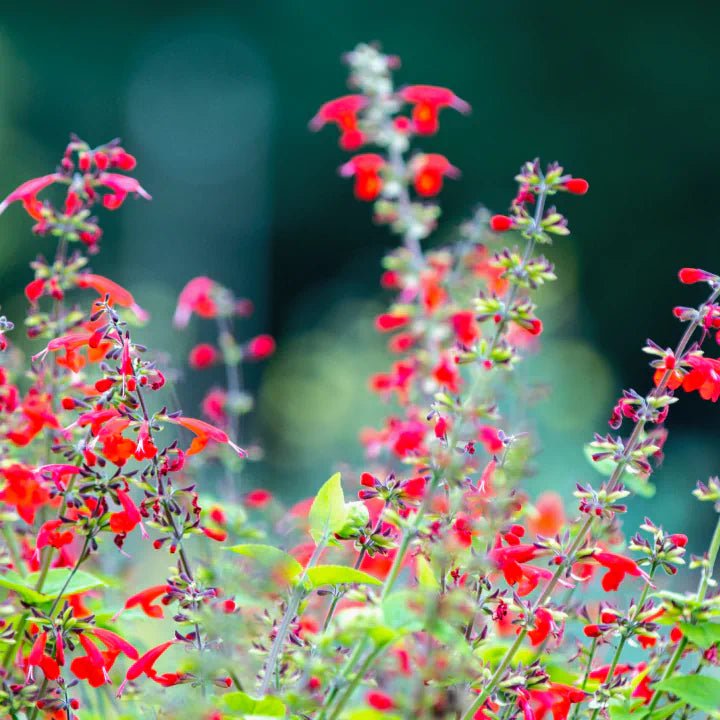
- Scarlet Sage (Salvia coccinea): A striking perennial with brilliant red, tubular blooms that are a top-tier nectar source for hummingbirds.
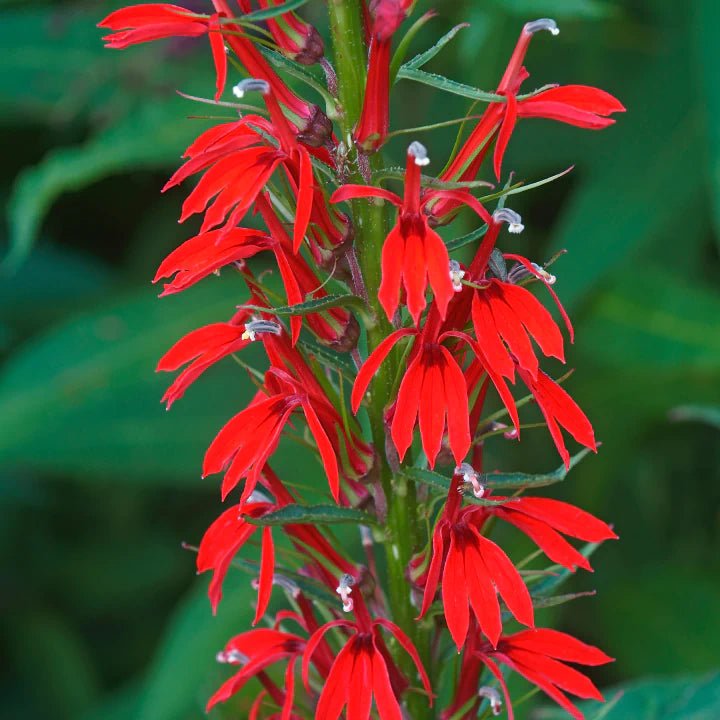
- Cardinal Flower (Lobelia cardinalis): Renowned for its vibrant scarlet spikes, this moisture-loving plant is a primary hummingbird magnet in late summer.
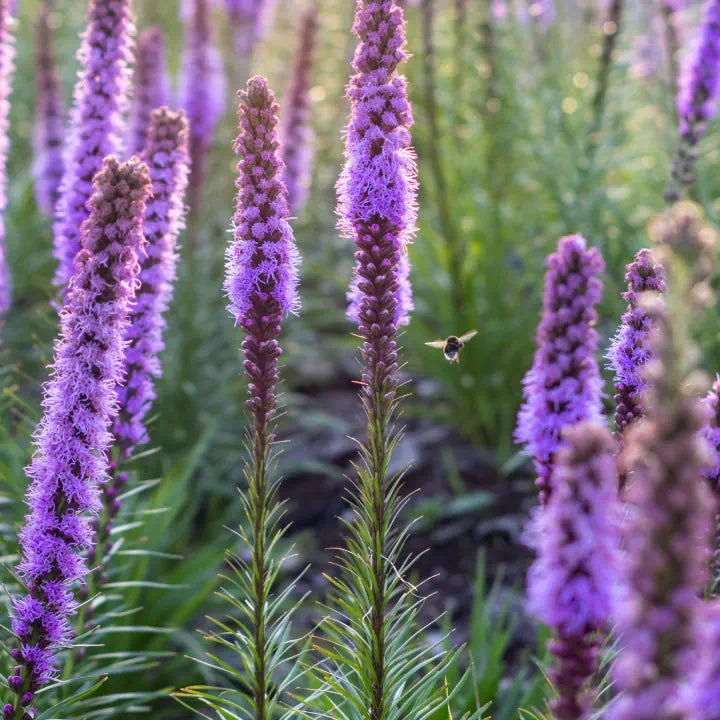
- Dense Blazing Star (Liatris spicata): Featuring upright spikes of purple flowers, this plant provides essential mid-to-late-season nectar and a striking vertical texture.
Key Features:
- Targeted Habitat: Provides critical nesting cover, shelter, and high-energy nectar for hummingbirds throughout the year.
- Multi-Season Blooms: Enjoy a succession of colorful flowers that return year after year, offering consistent beauty and wildlife support.
- Sustainable & Low Maintenance: Once established, these native plants require less water, never need chemical fertilizers, and are naturally deer resistant.
- Pollinator-Safe: Grown non-GMO and free of harmful neonicotinoids, promoting a healthy ecosystem for pollinators and wildlife.
Available in collections of nine, 18, or 27 plants to suit any landscape, from small urban borders to expansive meadows.
Planting Tips:
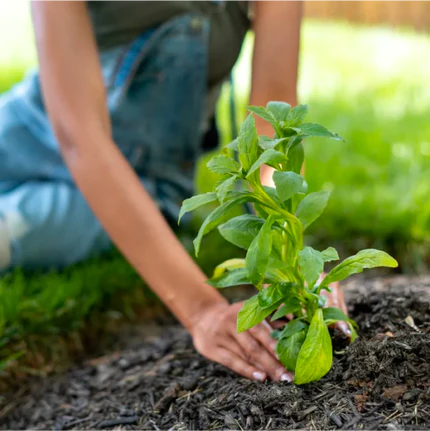
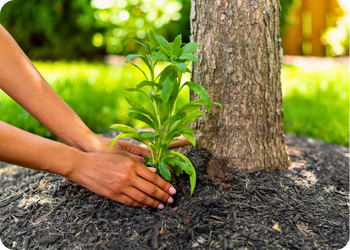
- Location: Plant in full sun in well-drained soil.
- Watering: Water regularly during the first growing season to establish strong roots. Once established, many of these plants become drought-tolerant.
- Maintenance: Minimal care required. There's no need to deadhead the flowers, as allowing them to go to seed provides a valuable food source for birds. Leaving the stems standing in the fall offers overwintering sites for beneficial insects. If desired, cut back the stems in late spring after pollinators have emerged.
For more information on planting, view our How to Plant Your Native Plants guide and other planting tips in the Garden for Wildlife Learning Center.
 Grows to:
  Spread:
  Blooms:
  Light Requirements:
  Soil Moisture:
  Soil Description:
  Attracts: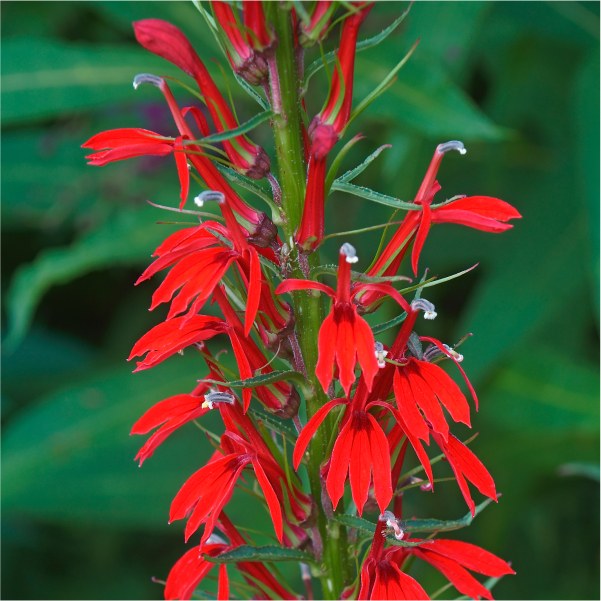


 Verified Buyer