





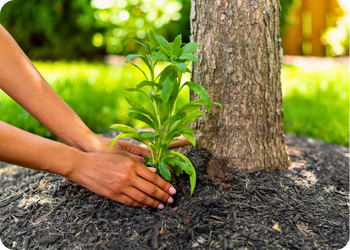



Western Serviceberry (Amelanchier alnifolia), also known as Saskatoon or Juneberry, is a breathtaking, multi-functional native shrub that brings a tropical, lush aesthetic to North American landscapes. This hardy perennial is a true four-season standout, offering clouds of fragrant white flowers in spring, delicious edible fruit in summer, and vibrant orange-to-red foliage that persists long into the fall. Whether you call it Saskatoon or Western Shadbush, this adaptable species is a must-have for habitat restoration, pollinator gardens, and edible landscapes.
Key Features:
- Spectacular Spring Blooms: Before leaves emerge, the shrub is covered in compact clusters of fragrant, showy white flowers that resemble apple blossoms.
- Delicious Edible Berries: Produces sweet, blueberry-like dark purple fruits (pomes) by early summer that are perfect for fresh eating, jams, and pies.
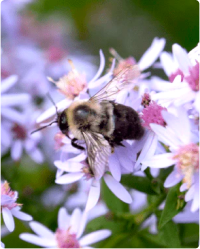
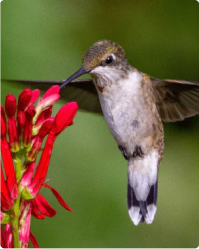
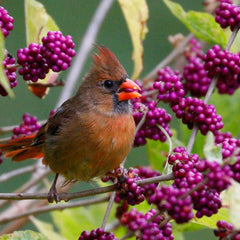
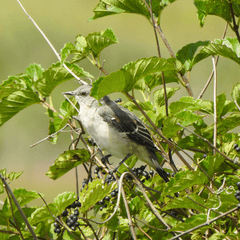
- Wildlife Magnet: A top-tier resource for biodiversity, providing nectar for hummingbirds and bees, and berries for over 35 species of birds including bluebirds and cedar waxwings.
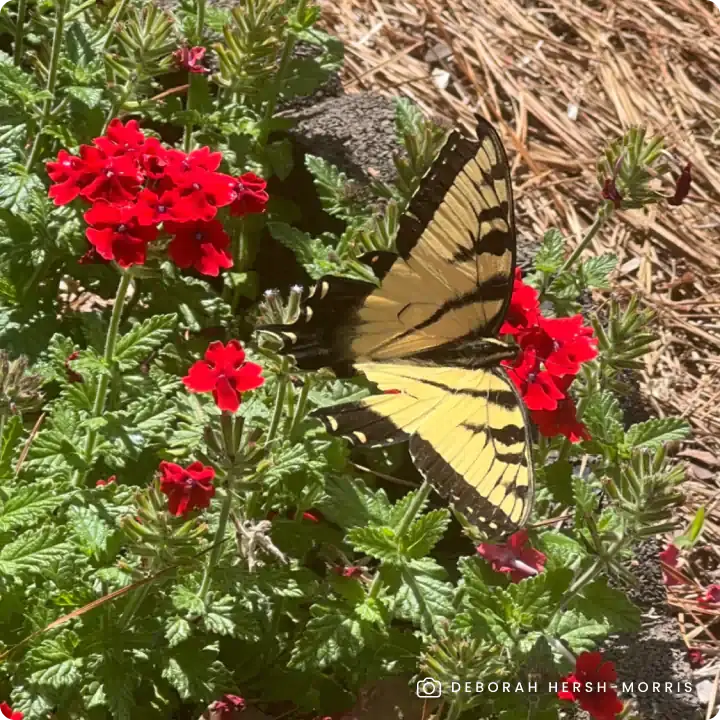
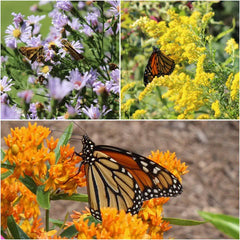
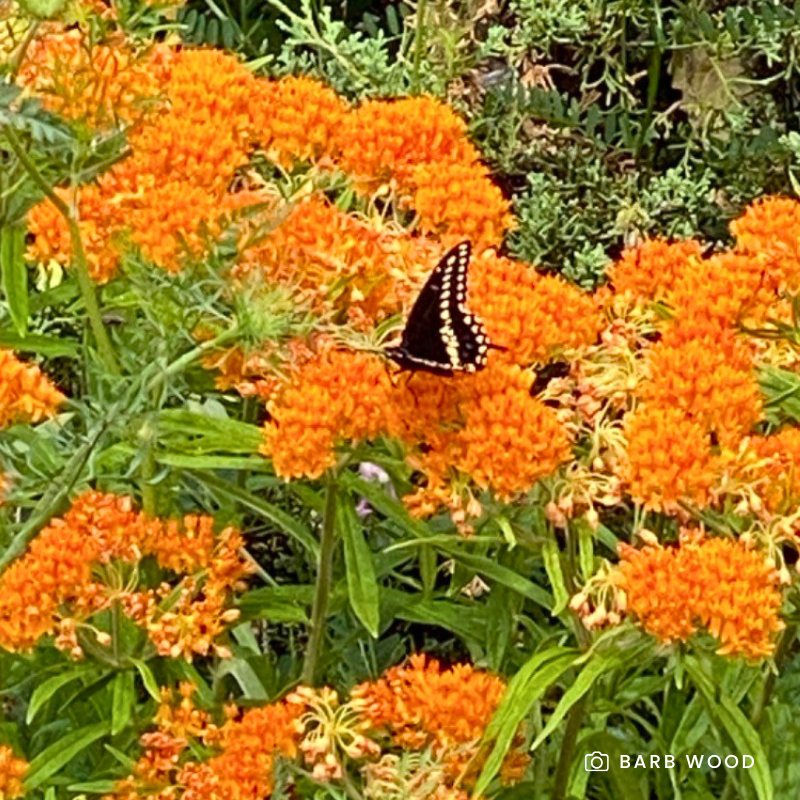
- Butterfly Host Plant: Serves as a vital larval host for the Western Tiger Swallowtail, Pale Tiger Swallowtail, and California Hairstreak butterflies.
- Four-Season Interest: Features elegant horizontal branching and silver-streaked bark for winter structure, following its fiery autumn display.
- Hardy and Adaptable: Thrives in a wide variety of soils—from sand to clay—and is remarkably drought-tolerant once established.
- Pollinator-Safe: Grown non-GMO and free of harmful neonicotinoids, promoting a healthy ecosystem for pollinators and wildlife.
Available in one-gallon containers.
Why Choose Western Serviceberry?
Western Serviceberry is an ecological powerhouse that fits perfectly into small urban gardens and expansive woodland borders alike. It is an "easy-going" grower that provides consistent beauty with minimal maintenance. While it is self-fertile, planting multiple shrubs can increase your berry yield—giving you a better chance of harvesting some before the local robins find them! Beyond its beauty, it holds deep cultural heritage, historically used by Indigenous peoples in stews, pemmican, and for crafting arrows from its sturdy shoots.
Planting Tips:
- Location: Thrives in full sun to part shade. At lower elevations, it appreciates some afternoon shade and consistent moisture, while it loves full sun at higher elevations.
- Watering: Water regularly during the first few growing seasons to establish deep roots. Once mature, it can tolerate dry conditions but prefers well-drained, loamy soil.
- Spacing: Space plants 6–10 feet apart to allow for its mature spread, or closer to form a dense, naturalized hedge or screen.
- Maintenance: Minimal care is required. You may prune in late winter or early spring to maintain its rounded shape or encourage fresh fruit-bearing growth.
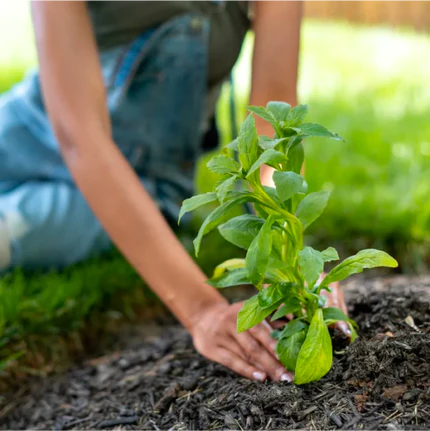
For more information on planting, view our How to Plant Your Native Plants guide and other planting tips in the Garden for Wildlife Learning Center.
 Grows to:
  Spread:
  Blooms:
  Light Requirements:
  Soil Moisture:
  Soil Description:
  Attracts:
 Verified Buyer