





Western Columbine (Aquilegia formosa), also known as Red or Crimson Columbine, is a charming wildflower that brings vibrant color and movement to shady gardens. Native to moist, shady locations, this open-branched perennial features delicate, blue-green lobed foliage and striking pendant flowers in shades of red and yellow. Its unique spurred petals, said to resemble eagle talons, dangle elegantly from leafy stems, creating a "beautiful" (formosa) display that sways in the breeze.
Key Features:
- Striking Bi-Color Blooms: Handsome red and yellow flowers hang at the ends of branches, resembling lanterns or birds in flight.
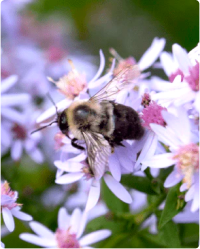
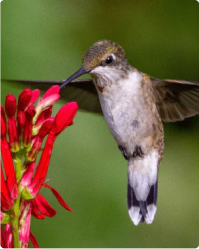
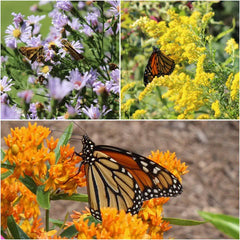
- Pollinator Magnet: The nectar-rich, spurred blooms are a favorite of hummingbirds, bees, and butterflies.
- Bird-Friendly: Mature seedheads provide essential food for finches, sparrows, and other bird species.
- Shade Lover: Thrives in partial shade and moist, compost-rich soils, making it perfect for woodland gardens.
- Pollinator-Safe: Grown non-GMO and free of harmful neonicotinoids, promoting a healthy ecosystem for pollinators and wildlife.
Available in sets of three, six, or 12 plants to suit any garden size.
Why Choose Western Columbine?
Western Columbine combines delicate beauty with robust wildlife support. Its swaying flowers, which look like five doves clustered together, add a whimsical touch to the garden, while its nectar serves as a vital resource for hummingbirds. Whether planted in a butterfly garden, a bird sanctuary, or a shady woodland edge, this self-sowing perennial offers seasonal interest and ecological value for a variety of winged visitors.
Planting Tips:
- Location: Prefers partial shade and compost-rich, well-draining soil. It is ideal for moist, shady locations in the garden.
- Watering: Likes regular water to maintain moist soil conditions.
- Maintenance: Minimal care required. If desired, trim back plants one at a time starting in June to encourage fresh foliage for caterpillars. Aphids are common but generally do not harm the plant. There's no need to deadhead the flowers, as allowing them to go to seed provides a valuable food source for birds. Leaving the stems standing in the fall offers overwintering sites for beneficial insects. If desired, cut back the stems in late spring after pollinators have emerged.
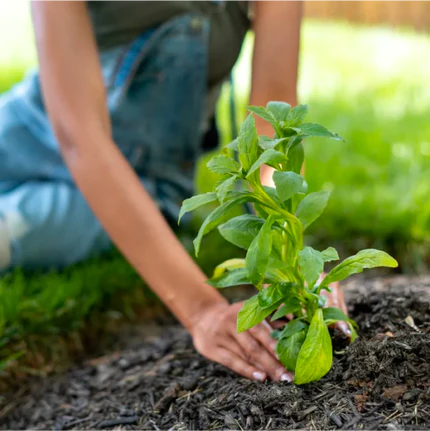
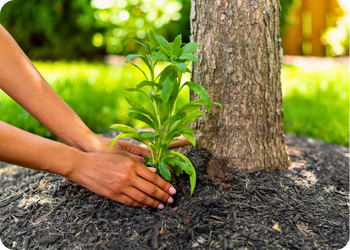
For more information on planting, view our How to Plant Your Native Plants guide and other planting tips in the Garden for Wildlife Learning Center.
Add Western Columbine to your garden for a "beautiful" (formosa) display of color that feeds hummingbirds and brings life to shady corners.
 Grows to:
  Spread:
  Blooms:
  Light Requirements:
  Soil Moisture:
  Soil Description:
  Attracts:
 Verified Buyer