




Embrace the charm of the coastal Southeast with Walter's Viburnum (Viburnum obovatum), a dense, upright shrub or small tree that offers year-round beauty and exceptional wildlife support. Native to hammocks, thickets, and swamp margins of the coastal plains, this evergreen to semi-evergreen plant features a broad, spreading crown and wedge-shaped leaves that often remain on the branches through mild winters.
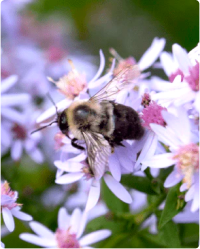
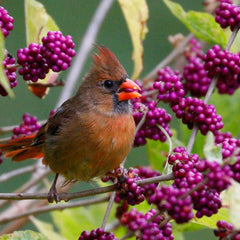
In spring, Walter's Viburnum becomes a focal point as a mass of small white flowers appears while new leaves develop, providing an early food source for bees and attracting interesting pollinators like scarab beetles. These blooms are followed by red fruits that mature to shiny black, offering a feast for birds and other wildlife. Named in honor of 18th-century botanist Thomas Walter, who first described the species in his Flora Caroliniana, this historic native is a versatile and resilient addition to any landscape.
Key Features:
- Spring Spectacle: Masses of small white flowers bloom in spring, appearing alongside developing leaves.
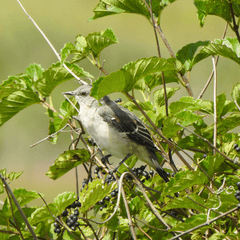
- Bird & Wildlife Buffet: Produces red fruits that turn shiny black, consumed in quantities by birds and other wildlife.
- Evergreen Foliage: Wedge-shaped, tapered leaves create a dense, rounded form and are evergreen to semi-evergreen in mild winters.
- Pollinator Haven: An early food source for bees and a magnet for scarab beetles (Cetonia spp.), which aid in cross-pollination.
- Host Plant: Serves as a larval host for the Spring Azure butterfly (Celastrina ladon).
- Adaptable Native: Thrives in full sun to partial shade and is slightly salt-tolerant, making it suitable for diverse habitats.
- Pollinator-Safe: Grown non-GMO and free of harmful neonicotinoids, promoting a healthy ecosystem for pollinators and wildlife.
Available in one-gallon containers.
Why Choose Walter's Viburnum?
Walter's Viburnum is a hardworking native that bridges the gap between ornamental beauty and ecological function. Its dense, twiggy growth habit makes it excellent for screening or hedging, while its upright, ascending form allows it to be trained into a small tree reaching up to 18 feet. Whether you are planting along a pond edge, in a boggy area, or in a standard garden bed, this shrub adapts readily. It is particularly valuable for wildlife enthusiasts, attracting everything from butterflies and beetles to fruit-eating birds.
Planting Tips:
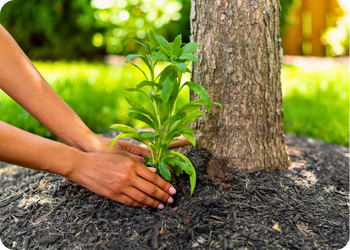
- Location: Prefers full sun to partial shade; plants appreciate some afternoon shade in hotter areas. Thrives in sunny or woodland sites and is excellent along ponds or bogs. Grows well in average, moist, well-drained soils. The plant is slightly salt-tolerant, making it suitable for coastal plain habitats.
- Watering: Native to swamp margins and hammocks, it appreciates moisture but is adaptable.
- Pollination: This is a self-sterile species, meaning it requires cross-pollination (often aided by scarab beetles) to produce the red-to-black fruits.
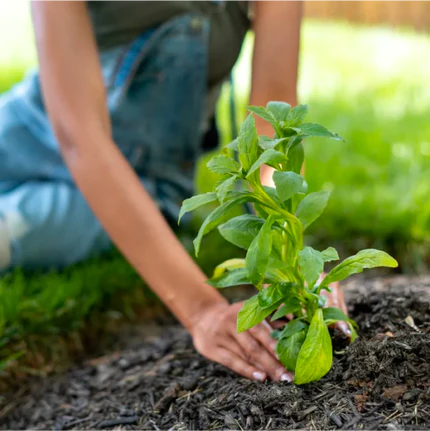
For more information on planting, view our How to Plant Your Native Plants guide and other planting tips in the Garden for Wildlife Learning Center.
 Grows to:
  Spread:
  Blooms:
  Light Requirements:
  Soil Moisture:
  Soil Description:
  Attracts:
 Verified Buyer