





Spotted Beebalm (Monarda punctata), also known as Dotted Horsemint or Horsemint, is a striking, eccentric beauty that brings a tropical, architectural flair to the North American landscape. Reaching heights of 1 to 4 feet, this aromatic perennial is prized for its unique, stacked floral display: rosettes of yellowish, purple-spotted tubular flowers are nestled within large, showy bracts that vary from creamy white to vibrant lavender-pink.
Thriving in sandy, well-drained soils, Spotted Beebalm is notably more drought-tolerant than other members of the mint family. Its foliage emits a pleasant fragrance reminiscent of fine Greek oregano, which acts as a natural deterrent to deer and rabbits.
Key Features:
- Unique Ornamental Interest: Distinctive whorls of spotted flowers and colorful bracts provide visual interest for much longer than the actual bloom period.
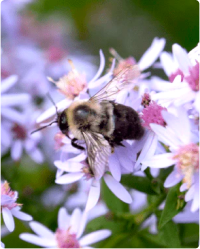
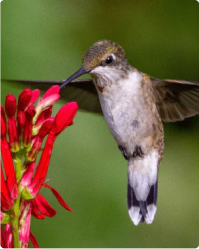
- Pollinator Powerhouse: A magnet for honeybees, bumblebees, and hummingbirds, it also supports specialized native bees like Dufourea monardae.
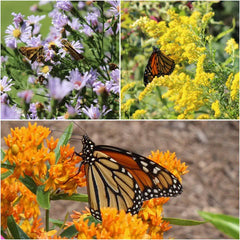
- Critical Host Plant: Serves as a vital host for several moth and butterfly species, including the Zebra Swallowtail butterfly, Raspberry pyrausta, and the Gray Marvel moth.
- Adaptable & Resilient: Thrives in full sun to part shade and is well-suited for rock gardens, pocket prairies, and coastal landscapes.
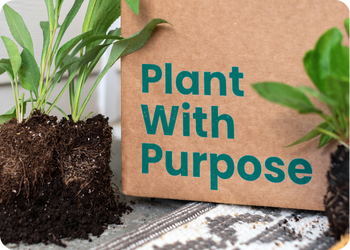
- Pollinator-Safe: Grown non-GMO and free of harmful neonicotinoids, promoting a healthy ecosystem for pollinators and wildlife.
Available in sets of three, six, or 12 plants to suit any garden size.
Why Choose Spotted Beebalm?
Spotted Beebalm is an ecological powerhouse that combines resilience with high aesthetic value. Whether you are looking to stabilize sandy soil or create a bustling pollinator haven, this plant offers consistent summer-through-fall color. Its ability to thrive in challenging, dry environments makes it an essential choice for sustainable, low-maintenance gardening.
Planting Tips:
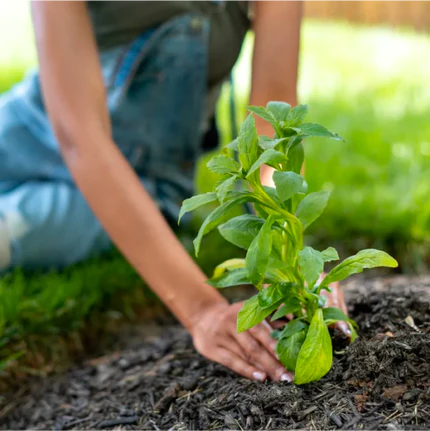
- Location: Plant in full sun to partial shade. It is ideally suited for prairies, meadows, or cottage gardens with sandy or rocky soil.
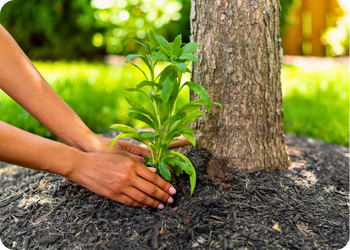
- Watering: Water regularly during the first growing season to establish a robust root system. Once established, it is highly drought-tolerant, though occasional summer watering will prolong the bloom period.
- Maintenance: Minimal care required. There's no need to deadhead the flowers, as allowing them to go to seed provides a valuable food source for birds. Leaving the stems standing in the fall offers overwintering sites for beneficial insects. If desired, cut back the stems in late spring after pollinators have emerged.
For more information on planting, view our How to Plant Your Native Plants guide and other planting tips in the Garden for Wildlife Learning Center.
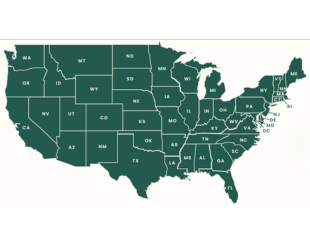
 Grows to:
  Spread:
  Blooms:
  Light Requirements:
  Soil Moisture:
  Soil Description:
  Attracts:
 Verified Buyer