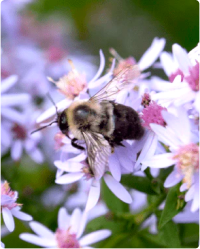
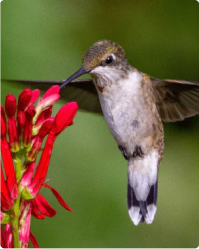
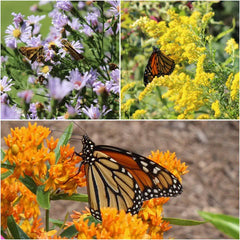
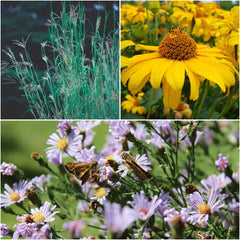



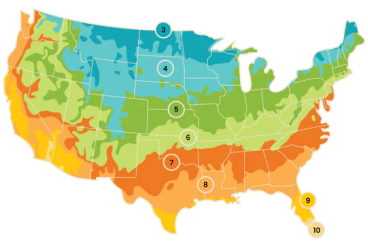
Transform your schoolyard into a living laboratory with the Sensory Pollinator Garden. Specially curated for early education environments in the Southeast, this collection features resilient native perennials that invite children to touch, smell, and observe the wonders of nature. These low-maintenance plants are selected not just for their beauty, but for their ability to withstand the high-energy interactions of a busy playground.
Pack sizes to fit any schoolyard project:
- 108-Pack (18 of each species): Covers approximately 155-180 square feet (10x18’ or 13x13’)
- 162-Pack (27 of each species): Covers approximately 235-270 square feet (12x20’ or 16x16’)
- 216-Pack (36 of each species): Covers approximately 315-360 square feet (15x22’ or 18x18’)
Looking for something a little bit smaller? Try the Pollinator Garden Half-Bed.
A Sensory Classroom Experience
- Lyreleaf Sage (Salvia lyrata): Tactile & Visual Benefits - Features low-growing evergreen leaves that students can touch year-round, with purple spikes providing early spring color.
- Pink Beardtongue (Penstemon australis): Visual & Wildlife Benefits - Children can watch native bees crawl inside the distinctive tubular snapdragon-like flowers to find nectar.
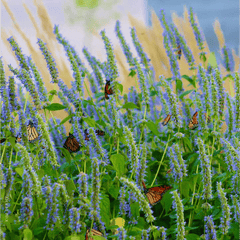
- Spotted Bee Balm (Monarda punctata): Olfactory & Visual Benefits - Offers a unique oregano-like scent when the leaves are rubbed, paired with striking spotted floral patterns.
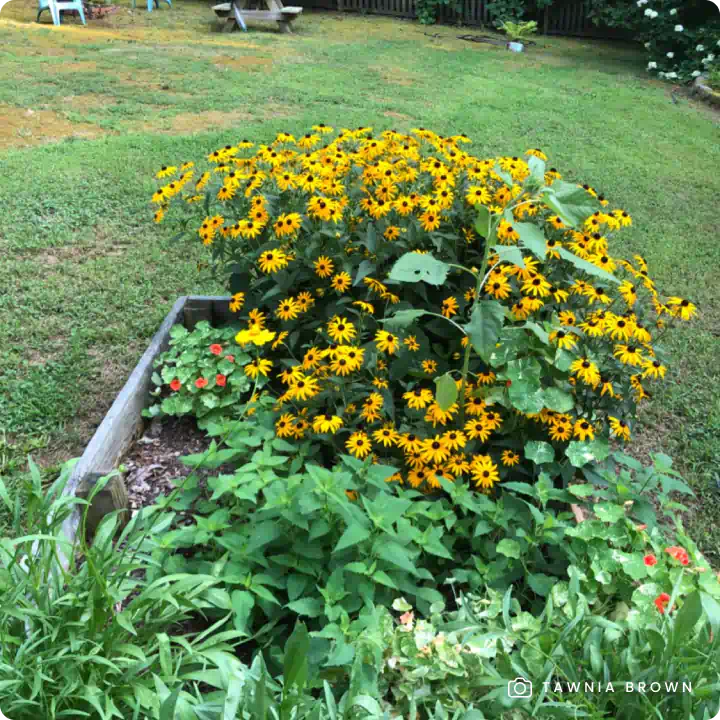
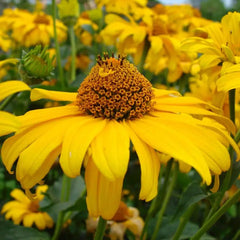
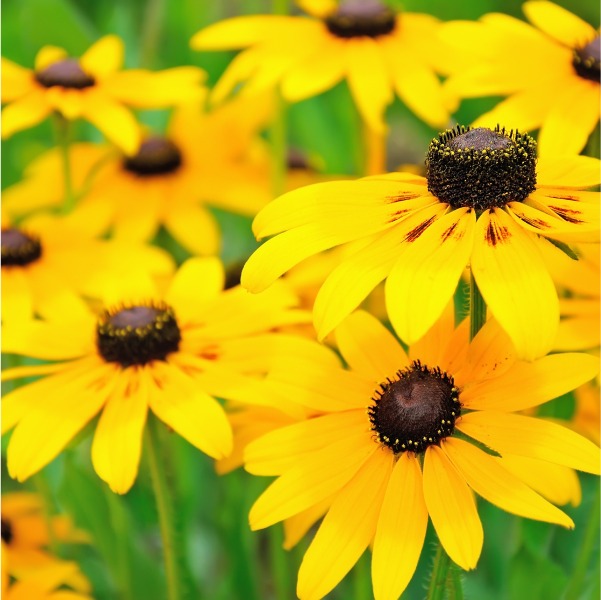
- Black-Eyed Susan (Rudbeckia hirta): Tactile & Visual Benefits - The dark, fuzzy centers (cones) provide a distinct, interesting texture for children to feel.
- Dense Blazing Star (Liatris spicata): Tactile Benefits - The sturdy bottle-brush texture of the purple flower wands is satisfying for children to touch and resistant to wilting.
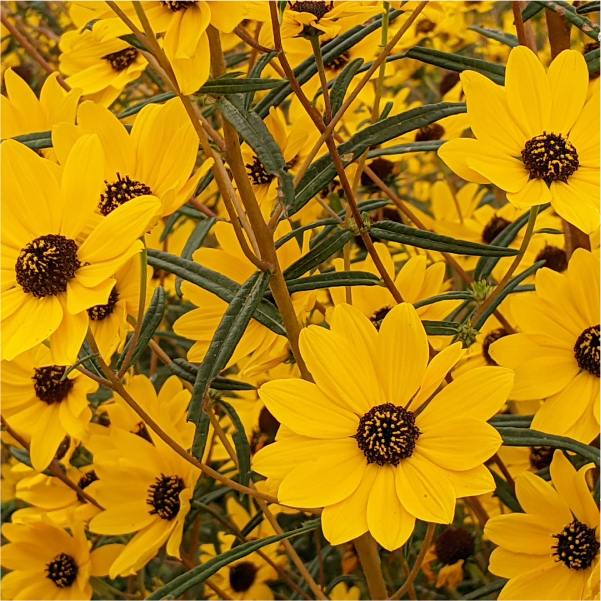
- Narrow Leaved Sunflower (Helianthus angustifolius): Visual & Auditory Benefits - Often grows taller than the children to create a forest feel; in late fall, the dry seed heads rattle in the wind.
The Bloom Relay: Three-Season Learning
This collection ensures your school garden remains a vibrant teaching tool from the first day of spring through the autumn harvest, avoiding "dead zones" where the garden looks empty.
- Spring (March–May): Lyreleaf Sage and Pink Beardtongue provide the first splashes of purple and pink for spring projects.
- Summer (June–August): Black-Eyed Susan and Spotted Bee Balm take over with vibrant yellows and unique architectural shapes.
- Fall (Sept–Nov): Blazing Star and Narrow Leaved Sunflower close the year with a massive vertical display of purple and gold.
Built for the Schoolyard: Durable & Safe
Designing a garden for children requires plants with diverse survival strategies to handle foot traffic and high energy.
- Resilient Groundcover: Lyreleaf Sage grows in a flat basal rosette, making it highly resilient to being stepped on by exploring feet.
- Sturdy Stems: Black-Eyed Susan and Spotted Bee Balm have fibrous, durable stems that are far less likely to snap than delicate florist flowers.
- Natural Boundaries: The height of the Narrow Leaved Sunflower and Blazing Star creates a back wall, naturally guiding children toward the front of the bed.
- Pollinator-Safe: All plants are grown non-GMO and free of harmful neonicotinoids, ensuring a safe, chemical-free environment for students and wildlife alike.
Simple Maintenance for Busy Teachers
- Location: Plant in full sun to partial shade in well-drained soil. These plants are resilient enough to handle challenging schoolyard conditions, including dry, sandy, or rocky soils.
- Watering: Water regularly during the first growing season to establish deep roots. Once established, these plants are highly drought-tolerant.
- Wildlife Science: Leave the stems standing in the fall. This provides overwintering sites for beneficial insects, offering a great lesson on hibernation for students.
- Winter Cleanup: If desired, cut back stems in late spring only after you see pollinators emerging in the garden.
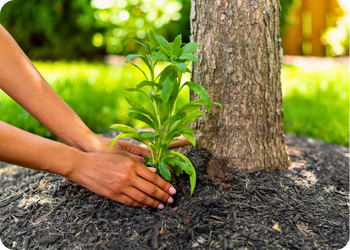
For more information on planting, view our How to Plant Your Native Plants guide and other planting tips in the Garden for Wildlife Learning Center.
Shipping Note: This order ships in multiple boxes. You will receive an email with tracking information and estimated arrival dates as soon as your plants leave the greenhouse. (Please be advised that exact delivery times cannot be guaranteed).
 Grows to:
  Spread:
  Blooms:
  Light Requirements:
  Soil Moisture:
  Soil Description:
  Attracts:



 Verified Buyer