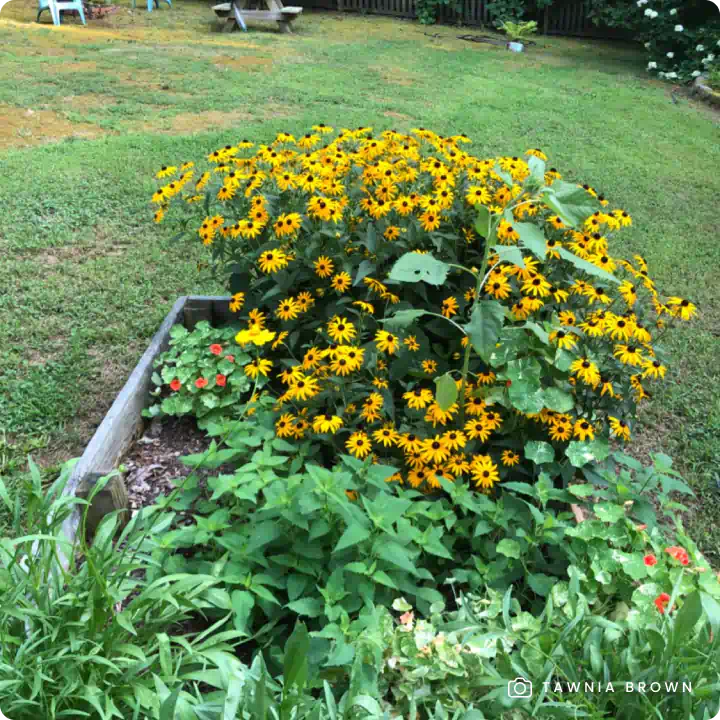
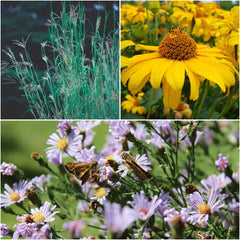

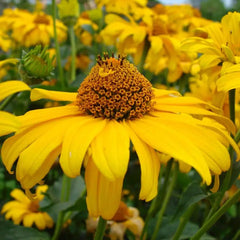





Brighten the toughest corners of your landscape with Plains Coreopsis (Coreopsis tinctoria), a slender and showy annual that delivers abundant color from summer through the first frost. Standing 2 to 4 feet tall on multi-branching stems, this wildflower features pinnately-compound foliage and prolific daisy-like flower heads. The blooms are a striking display of yellow rays surrounding a reddish-purple central disc, with the yellow petals often "painted" maroon near the center and finished with distinctive notched tips.
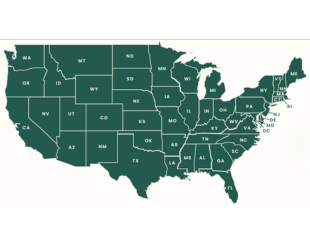
Native to the south-central U.S., Plains Coreopsis is a survivor. It thrives in heat, humidity, and drought, making it a perfect choice for sunny, hard-to-water areas or poor, sandy soils where other plants fail. Whether planted in mass to create a "Fourth of July pinwheel" effect or used to fill gaps in a wildflower meadow, this deer-resistant plant offers effortless beauty and makes an excellent long-lasting cut flower.
Key Features:
- Abundant "Painted" Blooms: Features showy yellow flowers with maroon centers and notch-tipped rays that bloom from summer until frost.
- Tough & Adaptable: Thrives in heat, humidity, and drought; performs well in poor, rocky, or sandy soils.
- Deer Resistant: Naturally resistant to deer browsing, ensuring your garden remains colorful.
- Excellent Cut Flower: Long stalks and showy heads make it a beautiful addition to floral arrangements.
- Mass Planting Favorite: Looks best when crowded, creating spectacular drifts of color in beds, borders, or meadows.
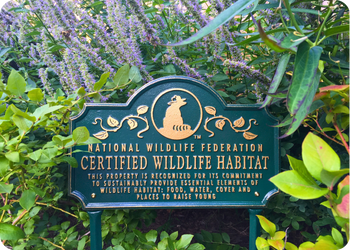
- Pollinator-Safe: Grown non-GMO and free of harmful neonicotinoids, promoting a healthy ecosystem for pollinators and wildlife.
Available in sets of three, six, or 12 plants to create a vibrant, low-maintenance display.
Why Choose Plains Coreopsis?
Plains Coreopsis is the ultimate "easy-care" annual for sunny spaces. Its ability to flourish in dry fields, roadsides, and waste places proves its resilience, yet it remains refined enough for cottage gardens and borders. It creates a stunning visual impact when massed together and self-seeds readily to populate open, bare ground, ensuring a returning display of color in optimum conditions.
Planting Tips:
- Location: Prefers full sun but tolerates light shade. It loves light, sandy soil but is highly adaptable to poor or rocky conditions.
- Watering: Water lightly. This plant requires good drainage and does not tolerate "wet feet." It is drought-tolerant once established.
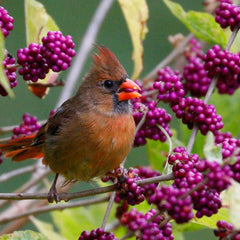
- Maintenance: Minimal care required. There's no need to deadhead the flowers, as allowing them to go to seed provides a valuable food source for birds. Leaving the stems standing in the fall offers overwintering sites for beneficial insects. If desired, cut back the stems in late spring after pollinators have emerged.
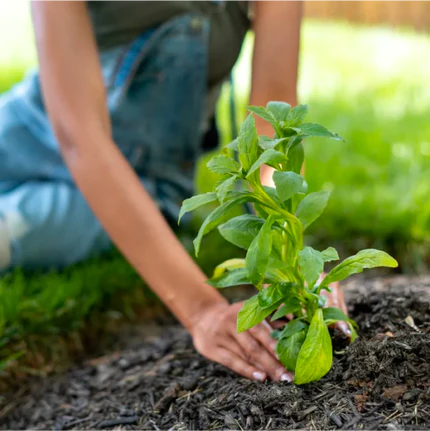
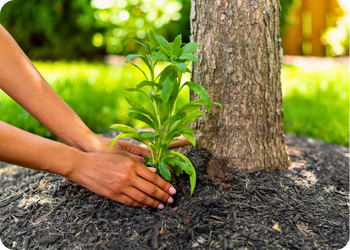
For more information on planting, view our How to Plant Your Native Plants guide and other planting tips in the Garden for Wildlife Learning Center.
 Grows to:
  Spread:
  Blooms:
  Light Requirements:
  Soil Moisture:
  Soil Description:
  Attracts:
 Verified Buyer