






Transform your yard into a thriving layered habitat with the Nested Habitat Collection. This thoughtfully curated package of four structural plants is designed to establish a layered habitat for wildlife in a single planting. It provides essential food and shelter for songbirds, butterflies, and pollinators across multiple seasons while adding profound visual depth to your landscape.
What's Included:
- Redbud (Cercis canadensis): A stunning 20 to 30 foot understory tree bursting with bright pink flowers in early spring, offering vital early nectar for native bees. Its distinct heart shaped leaves turn a beautiful pale yellow in the fall, and its flowers uniquely bloom directly on the bare trunk and branches before the leaves emerge.
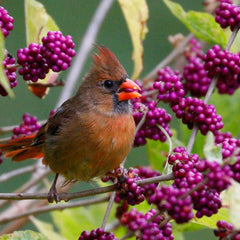
- Flowering Dogwood (Cornus florida): A classic 15 to 30 foot understory tree featuring large white spring blooms and bright red fall berries that Northern Cardinals love to forage. It provides excellent reddish purple fall foliage and develops a unique, blocky bark texture as it matures.
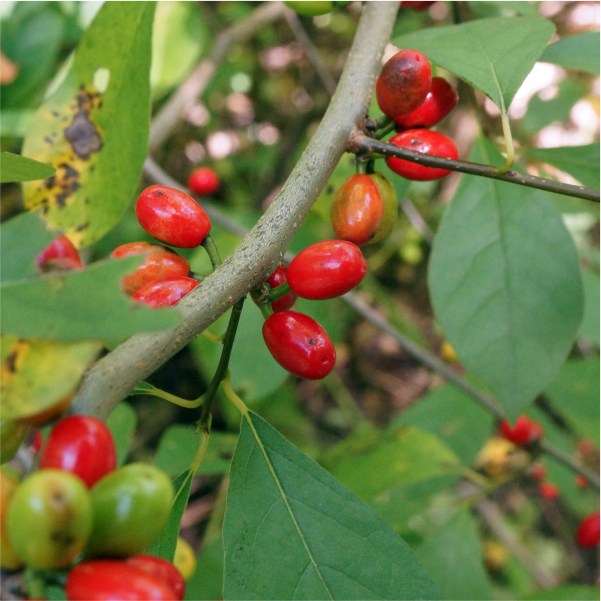
- Spicebush (Lindera benzoin): A robust 6 to 15 foot mid level shrub with early yellow blossoms that serves as the crucial host plant for the Spicebush Swallowtail butterfly. Its foliage emits a rich, spicy fragrance when crushed, and female plants produce bright red, high fat berries in the fall provided a male pollinator is planted nearby.
- Eastern Ninebark (Physocarpus opulifolius): An incredibly hardy 5 to 9 foot shrub featuring striking clusters of white or pinkish spring flowers and distinct peeling bark. It is highly adaptable to poor soils and drought. Its exfoliating bark provides gorgeous winter texture and crucial overwintering sites for beneficial insects, while its seeds persist into the colder months to feed foraging American Goldfinches and other songbirds.
Key Features:
- Layered Architecture: Combines trees and shrubs of staggered heights to build a dense, protective habitat quickly and efficiently.
- Multi-Season Interest: Delivers a continuous display of pink, white, and yellow spring blooms, followed by vibrant fall foliage and brightly colored winter berries.
- Songbird Sanctuary: Fall and winter berries provide a natural, chemical-free food source for local overwintering birds.
-
Pollinator-Safe: Grown non-GMO and free of harmful neonicotinoids, promoting a healthy ecosystem for pollinators and wildlife.
Each plant ships in a 1-gallon container with established root mass.
Why Choose the Nested Habitat Collection?
Creating a flourishing ecosystem does not always require massive shade trees. This collection is engineered to build a dense, mid level sanctuary that maximizes vertical space. It perfectly balances early spring nectar sources with high energy autumn berries and persistent winter seeds, ensuring your garden remains a vital refuge for local wildlife year round while providing a beautiful, textured privacy screen.
Spacing & Layout Guide:
To create a cohesive, staggered mid canopy as these plants mature, follow these spacing recommendations:
- Redbud: Plant at least 15 to 20 feet away from houses, power lines, and fences to allow for its mature canopy spread without crowding your structures.
- Flowering Dogwood: Plant 15 to 20 feet away from the trunk of the Redbud so it can comfortably share the mid level space and benefit from shared shade.
- Spicebush: Plant 10 to 15 feet from the trunk of the Flowering Dogwood.
- Eastern Ninebark: Plant 5 to 8 feet away from the Spicebush to allow the lower shrubs to gently merge into a dense, protective thicket for songbirds.
Complete Your Wildlife Habitat:
To truly bring your mid level sanctuary to life, underplant your Nested Habitat Collection with a vibrant layer of edge loving native perennials. For the best results, start planting your perennials about 2 to 3 feet away from the base of the shrubs to give all the root systems plenty of room to thrive. Layering in a package like the Hummingbird Heroes Collection, or filling your foreground with native favorites like Bee Balm (Monarda fistulosa), Bluestem Goldenrod (Solidago caesia), and Purple Lovegrass (Eragrostis spectabilis), will provide essential ground cover and nectar for pollinators to complete your multi tiered ecosystem.
Planting Tips:
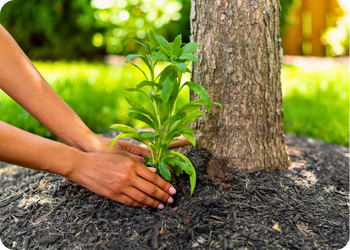
- Location: Plant in full sun to part shade with well-drained soil, spacing the trees to allow for mature canopy spread. Both the Dogwood and Spicebush particularly appreciate some protection from intense late afternoon heat.
- Watering: Water regularly during the first growing season to establish roots. Once established, these plants require less water.
- Maintenance: Minimal care required. Leaving leaf litter and branches intact over the winter provides excellent shelter for overwintering insects and natural forage for songbirds.
For more information on planting, view our How to Plant Your Native Plants guide and other planting tips in the Garden for Wildlife Learning Center.
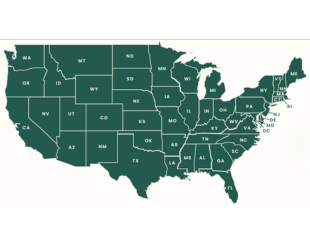
 Grows to:
  Spread:
  Blooms:
  Light Requirements:
  Soil Moisture:
  Soil Description:
  Attracts:


 Verified Buyer