
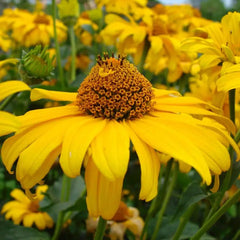




Add a piece of living history and prairie resilience to your garden with Narrowleaf Coneflower (Echinacea angustifolia). This compact, drought-hardy perennial is steeped in American heritage; in 1805, Lewis and Clark sent samples of it from Fort Mandan to Thomas Jefferson, noting its importance to Native American tribes as a remedy for snakebites and other ailments.
Smaller and tougher than the common Purple Coneflower (Echinacea purpurea), this species features stout, hairy stems (18–24 inches tall) and distinctively narrow, lance-shaped leaves. Its flower heads display a dark, spiny, cone-shaped center surrounded by drooping pinkish-lavender rays. Native to the dry prairies and rocky barrens of the Great Plains, it is the "king of drought" among coneflowers, thriving in poor soils where others fade. It is an ecological powerhouse, serving as a critical resource for the threatened Ottoe Skipper butterfly and attracting goldfinches to its seeds in autumn.
Key Features:
- Historic & Medicinal: Famous for its collection by Lewis and Clark and its long history of medicinal use by Native Americans for immune support and ailments.
- Drought Tolerant: The most drought-tolerant of the Echinaceas, adapted to dry prairies, rocky barrens, and poor soils.
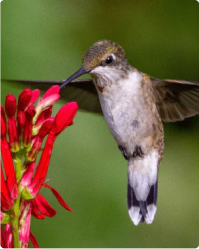
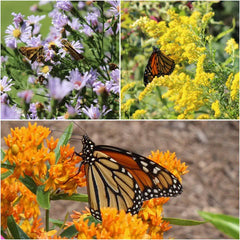
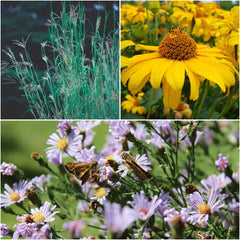
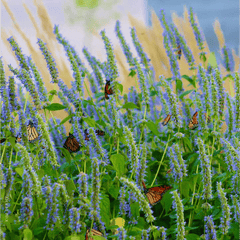
- Critical Habitat: Essential for the life cycle of the threatened Ottoe Skipper butterfly and highly attractive to native bees.
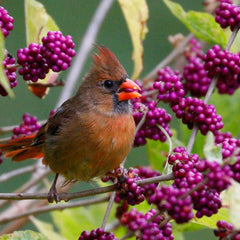
- Bird-Friendly: Spiny center cones produce seeds that are a favorite food source for goldfinches.
- Compact & Sturdy: Grows 1–2 feet tall with rigid stems that rarely need staking, making it perfect for smaller spaces or windy sites.
- Pollinator-Safe: Grown non-GMO and free of harmful neonicotinoids, promoting a healthy ecosystem for pollinators and wildlife.
Available in sets of three, six, or 12 plants to create a resilient, pollinator-friendly landscape.
Why Choose Narrowleaf Coneflower?
Narrowleaf Coneflower is the ideal choice for the gardener who deals with hot, dry, or rocky conditions and wants a plant with a story to tell. Its compact size makes it suitable for front-of-border plantings or rock gardens, while its rugged nature ensures it survives neglect and heat. By planting this species, you are not only preserving a piece of prairie history but also providing a lifeline for specialized pollinators like the Ottoe Skipper.
Planting Tips:
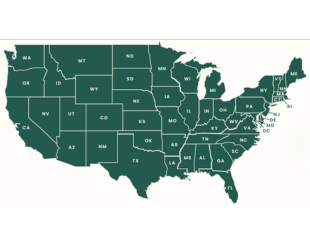
- Location: Prefers full sun. Thrives in dry to medium, well-drained soils, including clay loam, sandy loam, and rocky alkaline soils.
- Watering: Highly drought-tolerant once established. It dislikes "wet feet," so avoid heavy, poorly drained clay spots.
- Maintenance: Minimal care required. There's no need to deadhead the flowers, as allowing them to go to seed provides a valuable food source for birds. Leaving the stems standing in the fall offers overwintering sites for beneficial insects. If desired, cut back the stems in late spring after pollinators have emerged.
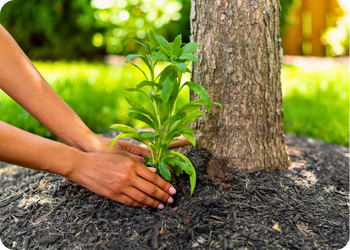
For more information on planting, view our How to Plant Your Native Plants guide and other planting tips in the Garden for Wildlife Learning Center.
 Grows to:
  Spread:
  Blooms:
  Light Requirements:
  Soil Moisture:
  Soil Description:
  Attracts:
 Verified Buyer