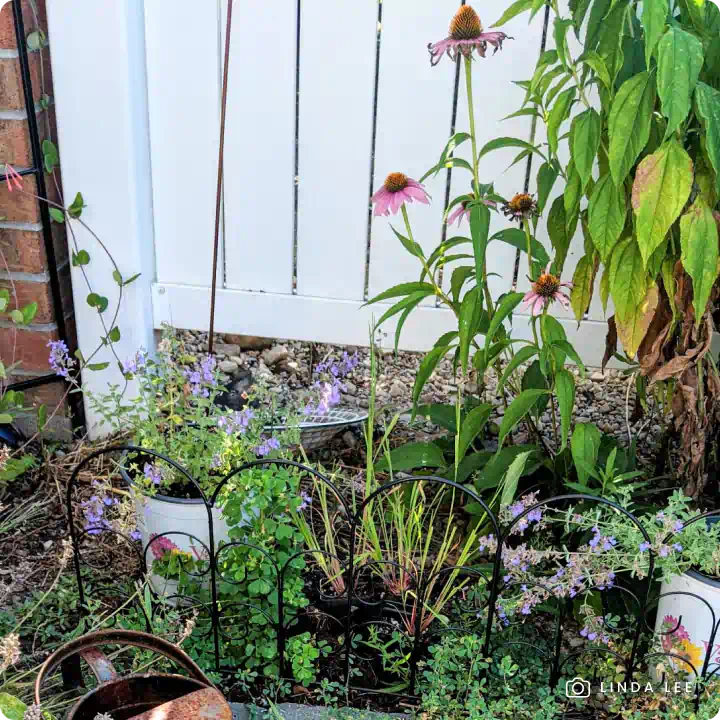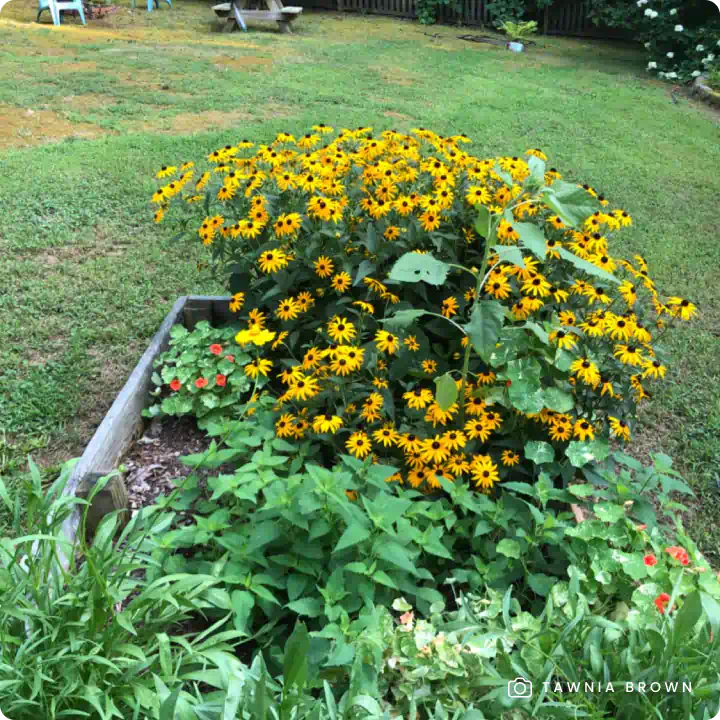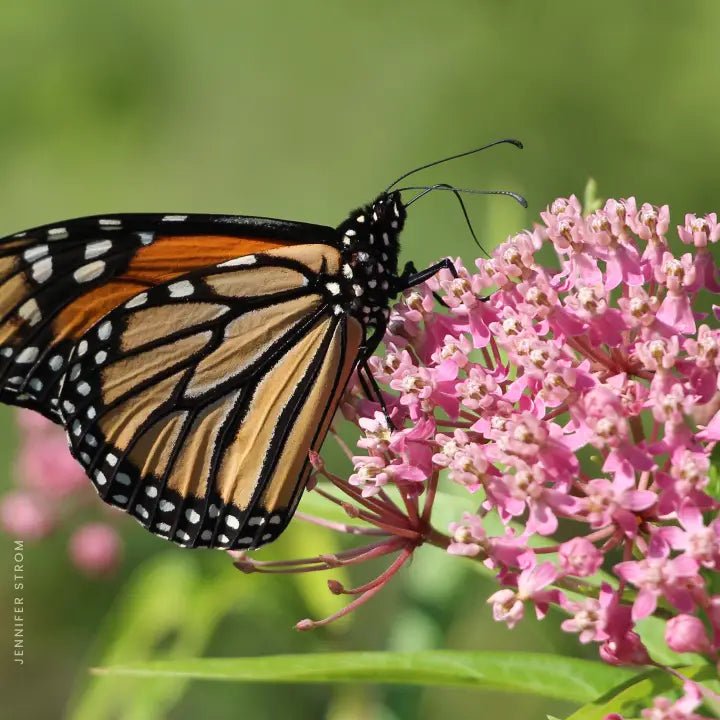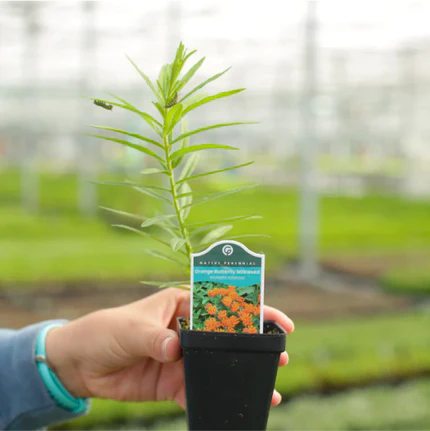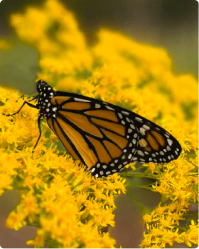
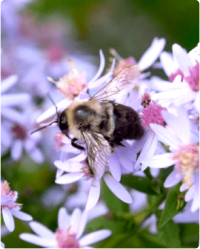
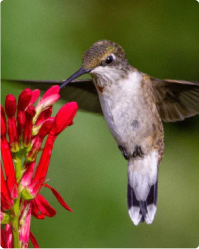
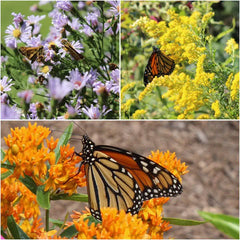
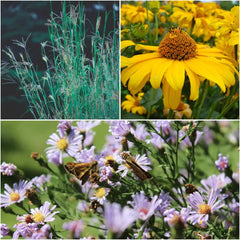










The Milkweed Trio Collection is specifically curated to provide the essential host plants monarch butterflies need to reproduce while bringing bold, multi-toned color to your backyard. Designed for sunny borders, pollinator gardens, or naturalized meadows, this collection delivers staggered blooms and vital ecological support from early summer through fall. By pairing three distinct native milkweed species with varying heights, textures, and moisture tolerances, this trio creates a resilient and eye-catching monarch nursery for your landscape.
What is Included:
This collection features a trio of native perennial milkweeds, carefully selected for their role as obligatory host plants for monarch caterpillars and rich nectar sources for adult pollinators:
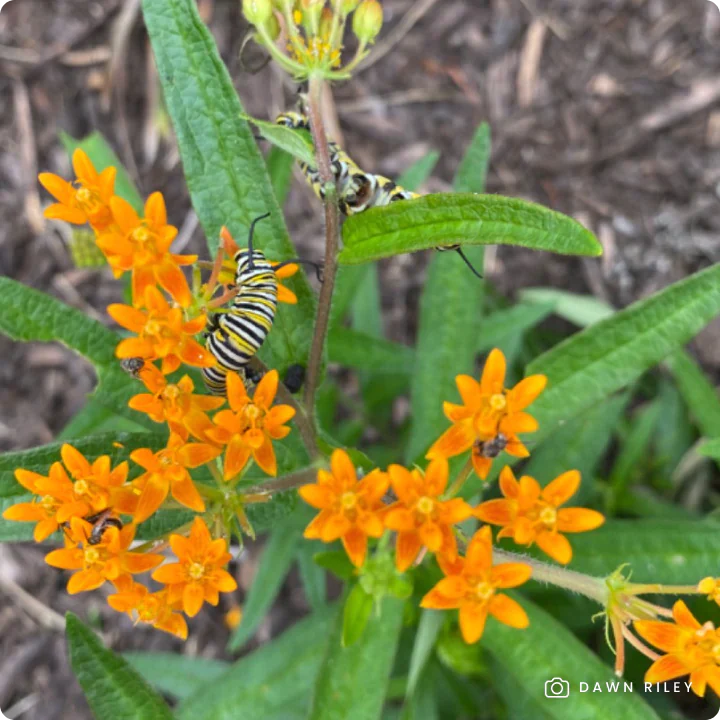
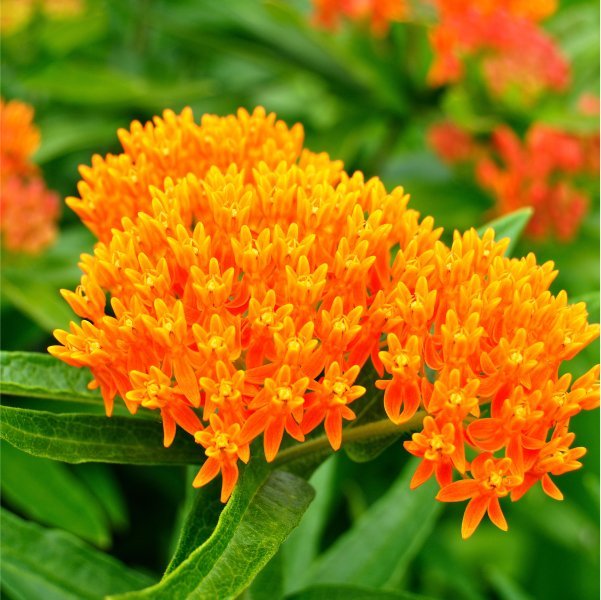
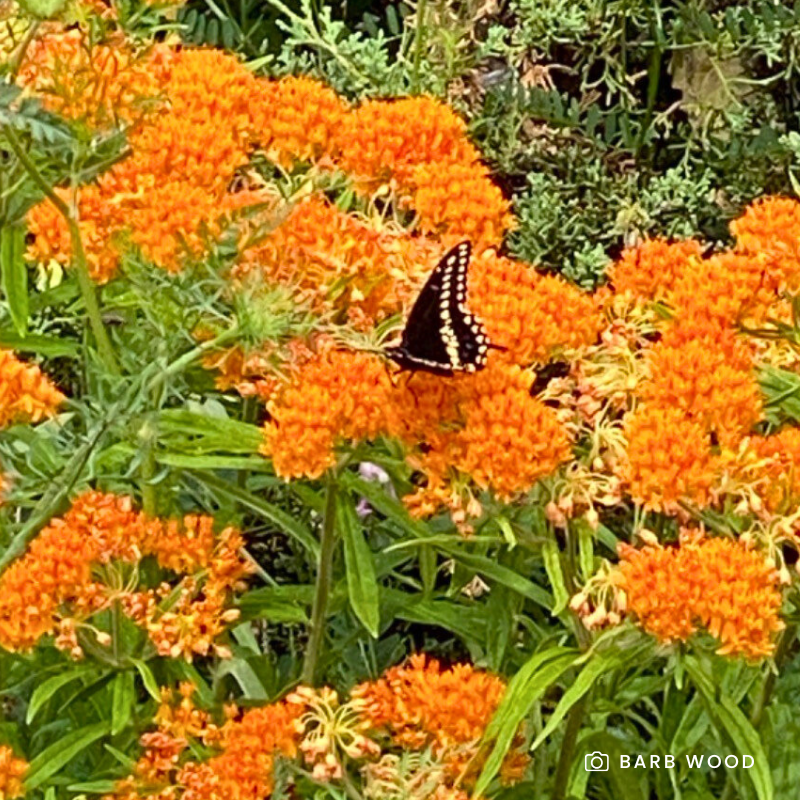
- Orange Butterfly Milkweed (Asclepias tuberosa): A showstopping 1 to 3 foot perennial prized for its brilliant, fiery orange flower clusters. Unlike many other milkweeds, it lacks milky sap and forms a neat, bushy clump with a deep taproot, making it exceptionally drought-tolerant and ideal for dry, sunny garden borders.
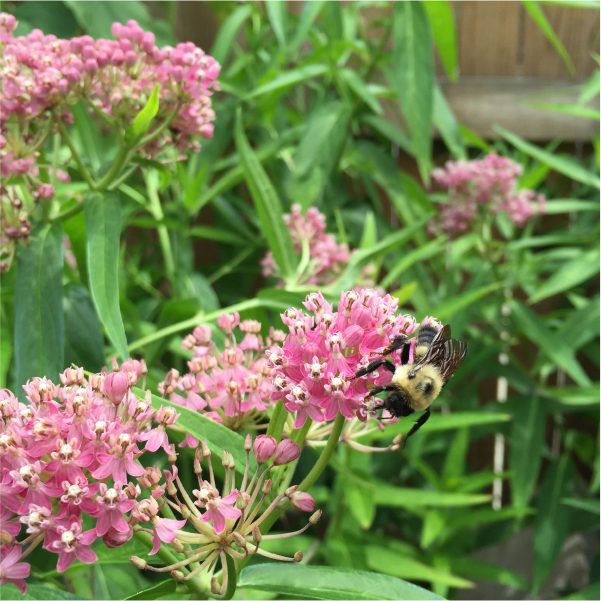
- Swamp Milkweed (Asclepias incarnata): A stately 3 to 4 foot perennial topped with fragrant, rose-pink to mauve flower clusters in mid-to-late summer. Despite its name, it thrives in average garden soils as well as damp spots, offering a well-behaved, clumping habit and a faint vanilla-like scent that draws in monarchs, swallowtails, and native bees.
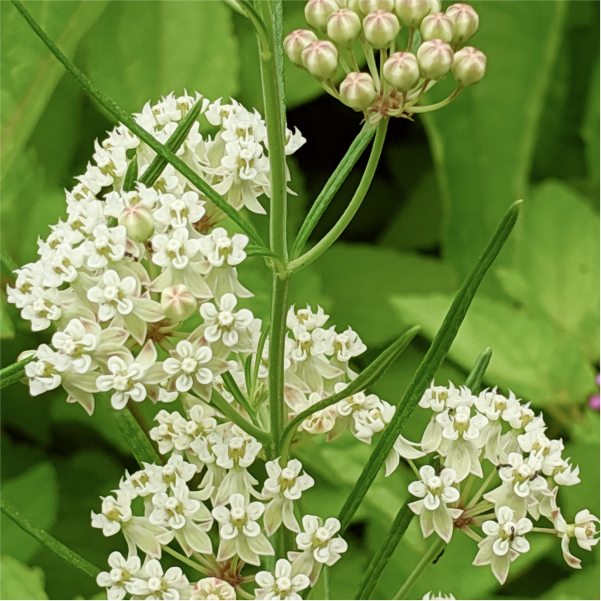
- Whorled Milkweed (Asclepias verticillata): A vital 1 to 3 foot host plant featuring delicate white flowers and fine, needle-like foliage that adds airy texture to garden beds. It spreads reliably via underground rhizomes to fill in gaps, tolerates dry soils, and provides late-season forage when other milkweeds begin to fade.
Key Features:
- Essential Monarch Nursery: Provides three distinct Asclepias species required for female monarchs to lay eggs and for caterpillars to feed and grow.
- Multi-Color, Multi-Season Blooms: Enjoy staggered waves of vibrant orange, soft pink, and crisp white blooms from early summer into fall.
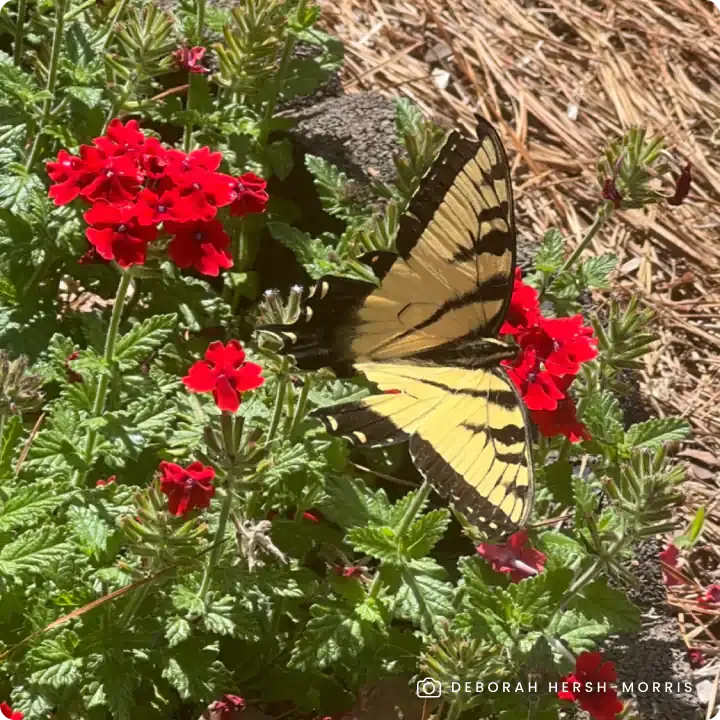
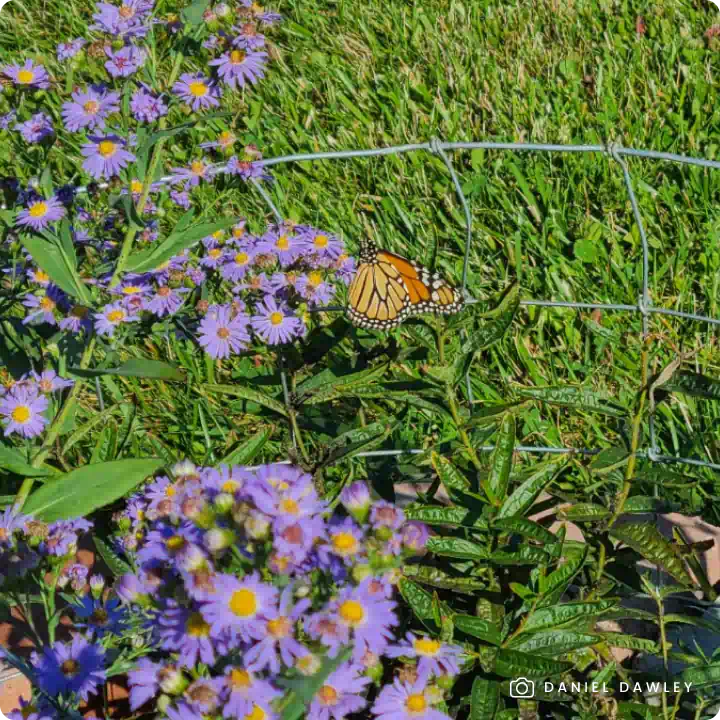
- Pollinator Magnet: Attracts not only monarch butterflies, but also swallowtails, fritillaries, native bees, hummingbirds, and beneficial predatory insects.
- Adaptable & Low Maintenance: Thrives with minimal care across a range of sun and soil conditions once established.
- Deer & Rabbit Resistant: Naturally unpalatable foliage deters browsing wildlife, protecting your garden investment.
- Pollinator-Safe: Grown non-GMO and free of harmful neonicotinoids, ensuring a safe haven for caterpillars and adult pollinators alike.
Available in collections of nine, 18, or 27 plants to seamlessly scale and suit any garden size or design project.
Why Choose the Milkweed Trio
This collection takes the guesswork out of building a high-impact monarch waystation by combining three complementary native milkweeds in one cohesive package. Because each species blooms at slightly different times and favors different microclimates—from dry slopes to moist borders—you maximize your chances of success while offering visiting monarchs continuous foliage and nectar across multiple generations.
Planting Tips:
- Location: Plant in full sun for the best flowering and strongest stems. Arrange Orange Butterfly Milkweed and Whorled Milkweed in your drier, well-drained spots, and place Swamp Milkweed where soil stays slightly more consistent or near downspouts and rain gardens.
- Watering: Water regularly during the first growing season to establish strong root systems. Once established, Orange Butterfly Milkweed and Whorled Milkweed are highly drought-tolerant, while Swamp Milkweed appreciates occasional water during prolonged dry spells.
- Maintenance: Minimal care required. Allow the distinctive seed pods to mature in autumn—birds use the silky floss for nesting material, and you can collect seeds to expand your patch. Leave dried stems standing over winter to shelter overwintering insects, cutting them back in late spring once new growth emerges (note that milkweeds are famously late to wake up in spring, so be patient before disturbing the soil).
For more information on planting, view our How to Plant Your Native Plants guide and other planting tips in the Garden for Wildlife Learning Center.
 Grows to:
 Spread:
 Blooms:
 Light Requirements:
 Soil Moisture:
 Soil Description:
 Attracts:
 Verified Buyer