






Bring the award-winning beauty of the Texas prairies to your landscape with Mealy-Cup Sage (Salvia farinacea), a stunning native perennial honored as the 2023 Wildflower of the Year by the Lady Bird Johnson Wildflower Center. Known for its elegant spikes of violet-blue flowers, this plant adds an attractive mass of color to any garden bed, border, or naturalized area. Its name is derived from the "mealy" or powdery white felted hairs—known as farina—that cover the flower calyx and upper stems, creating a beautiful contrast against its gray-green, lance-shaped leaves.
This 2-to-3-foot upright perennial is a resilient powerhouse, thriving in the sunny, dry conditions of the plains and prairies. With its aromatic foliage and long bloom season, Mealy-Cup Sage is a low-maintenance favorite for gardeners who want to maximize visual impact while supporting local biodiversity.
Key Benefits:
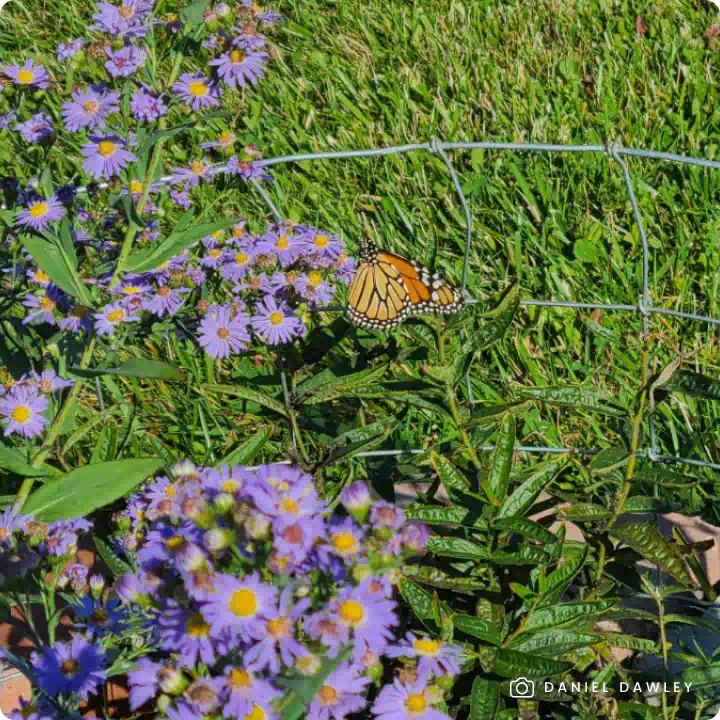
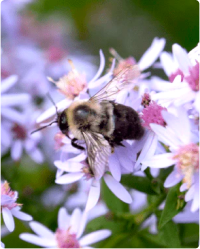
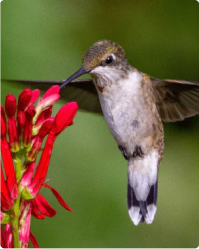
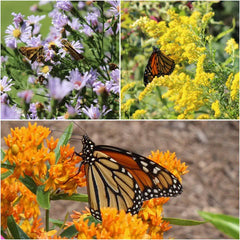
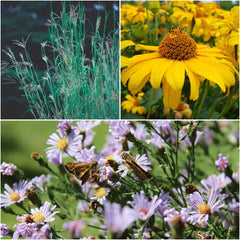
- Pollinator Magnet: Provides a vital nectar source that is highly attractive to butterflies and hummingbirds.
- Special Value to Native Bees: Recognized for its significant contribution to supporting native bee populations.
- High Deer Resistance: The aromatic foliage is naturally unappealing to deer, making it a reliable choice for areas with high grazing pressure.
- Drought & Soil Tolerant: Once established, it is highly drought-tolerant and can thrive in poor, rocky, or even heavy clay soils.
- Showy Seasonal Interest: Offers fragrant flowers and foliage that bloom off and on from May until the first frost.
- Pollinator-Safe: Grown non-GMO and free of harmful neonicotinoids, promoting a healthy ecosystem for pollinators and wildlife.
Available in sets of three, six, or 12 plants to help you create the massed color groupings this species is known for.
Why Choose Mealy-Cup Sage?
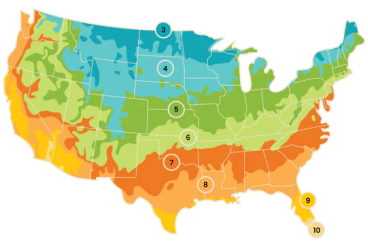
Mealy-Cup Sage is the perfect choice for creating a water-wise garden. It is exceptionally versatile, growing as a mounded perennial in warmer climates (Zones 8-10) and serving as a hard-working annual in cooler regions. Its unique grayish-green foliage provides a sophisticated texture that contrasts beautifully with lush green plants. Because it thrives in limestone and calcareous substrates, it is a "problem-solver" for alkaline soils where other plants might struggle.
Planting Tips:
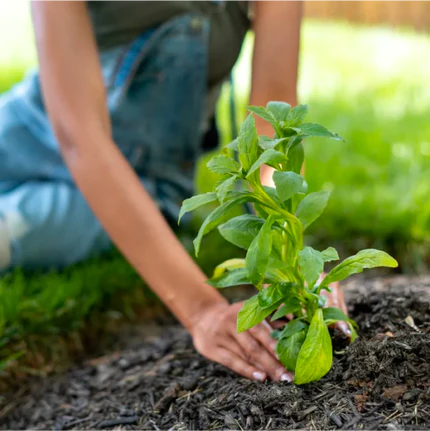
- Location: Plant in full sun for the best bloom production, though it can tolerate part shade. Prefers well-drained, dry to medium soils; avoid overly wet soil, which can make the plant leggy and weak.
- Watering: Low water requirements; once established, it requires minimal supplemental watering.
- Maintenance: When new basal foliage appears, cut back old flower stems to keep the plant lush and encourage repeat blooming throughout the summer.
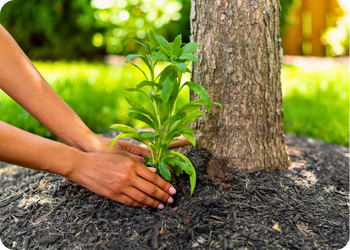
For more information on planting, view our How to Plant Your Native Plants guide and other planting tips in the Garden for Wildlife Learning Center.
 Grows to:
  Spread:
  Blooms:
  Light Requirements:
  Soil Moisture:
  Soil Description:
  Attracts:
 Verified Buyer