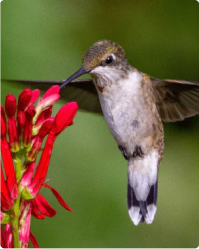







Transform your Southwest landscape into a vibrant sanctuary with the High Desert Hummingbird collection. This thoughtfully curated trio features nectar-rich flowers specifically adapted to the arid climates of the Southwest. With blooms spanning three seasons, this collection provides essential energy for resident hummers and a critical "fuel stop" for those on their long migratory journeys.
What's Included:
This native plant collection is carefully chosen to support hummingbirds and a variety of other southwestern pollinators:
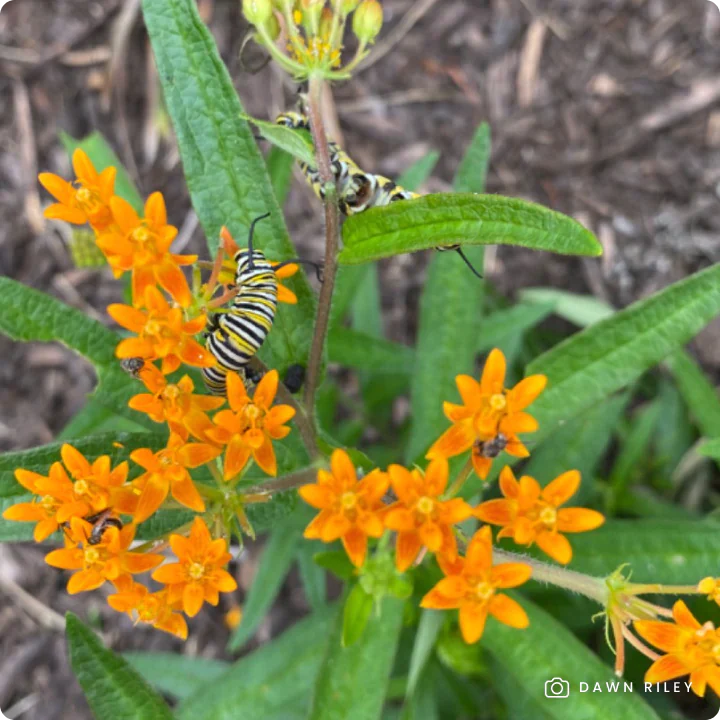
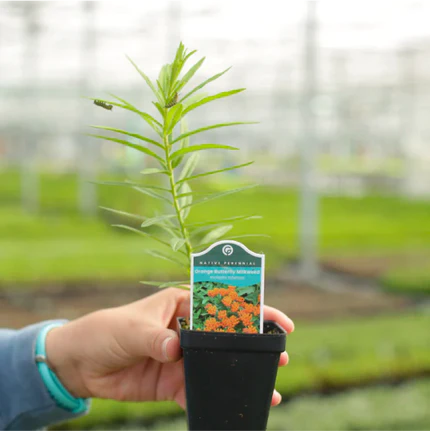
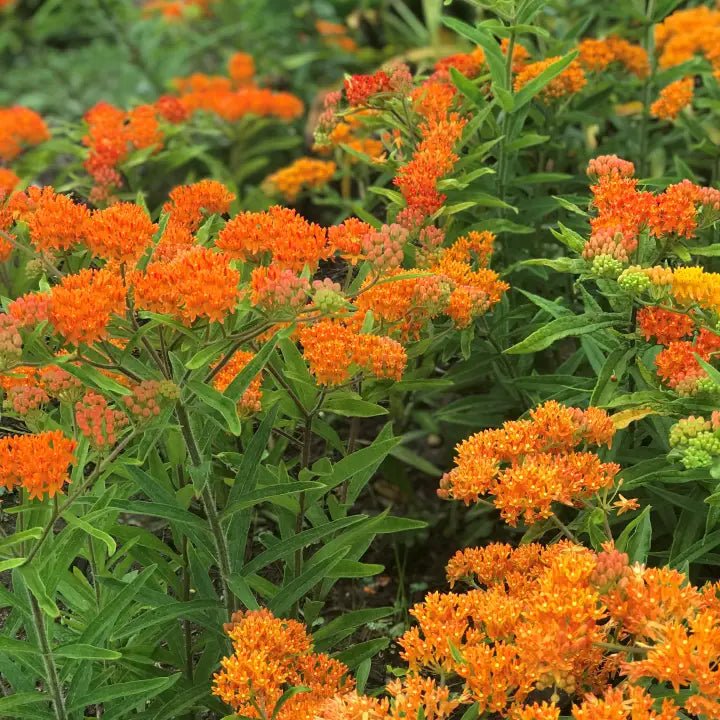
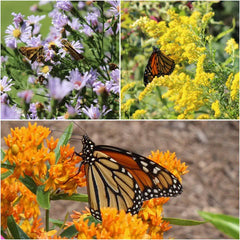
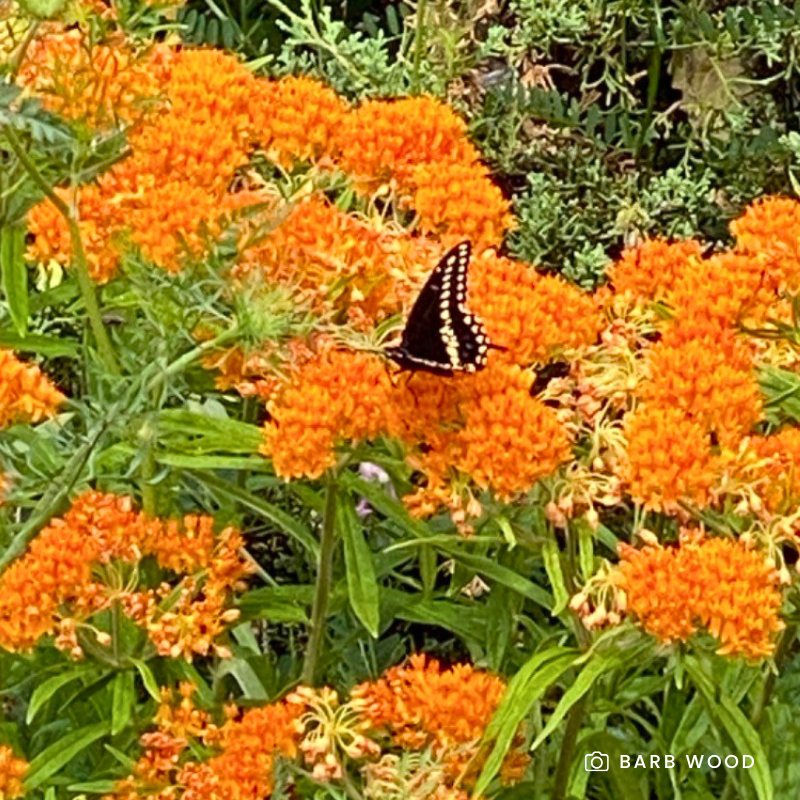
- Orange Butterfly Milkweed (Asclepias tuberosa): Vibrant orange blooms provide high-energy nectar and offer silky seed pod "fluff" as essential nesting material for hummingbirds.
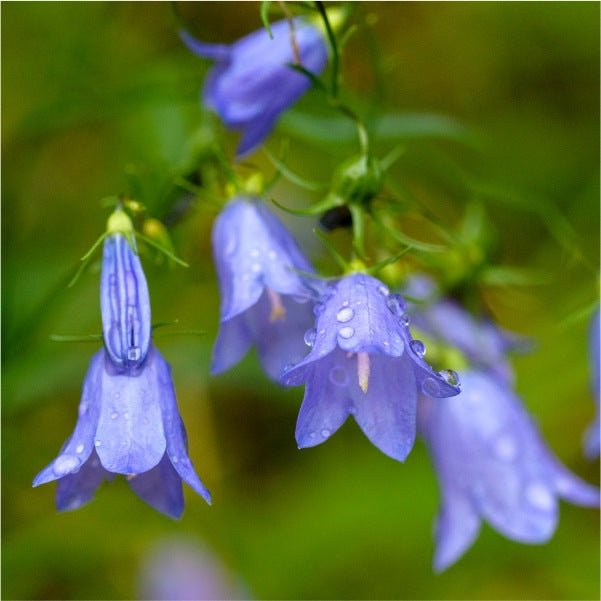
- Harebell (Campanula rotundifolia): Delicate, nodding blue bells provide nectar from early summer through fall, fitting perfectly into the hummingbird's feeding profile.
- Lemon Beebalm (Monarda citriodora): Features unique tiered, tubular flowers that are highly aromatic and specifically shaped for hummingbird pollination.
Key Features:
- Hummingbird Magnet: Designed with brightly colored, tubular, and clustered flowers that supply the high-energy nectar hummingbirds need to sustain their fast metabolisms.
- Regional Resilience: Every plant is native to the Southwest, ensuring they can withstand intense sun and drought conditions once established.
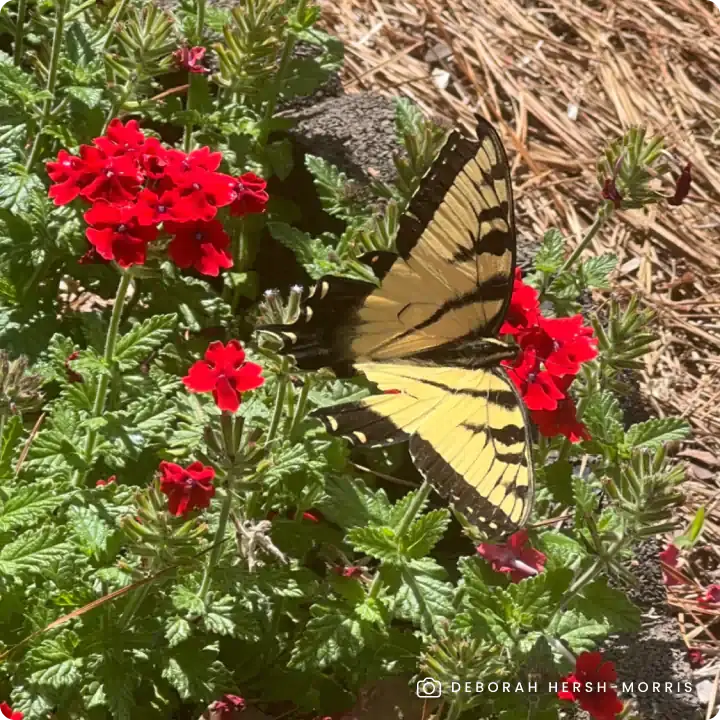
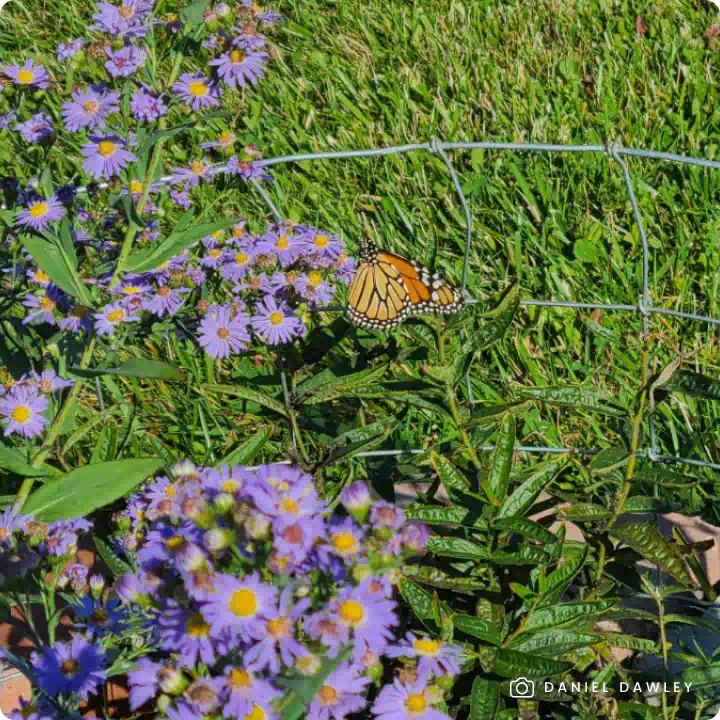
- Pollinator Support: Beyond hummingbirds, this collection attracts bees, moths, and butterflies, creating a biodiverse habitat.
- Low Maintenance: These hardy perennials thrive with minimal care and are naturally deer-resistant.
- Pollinator-Safe: All plants are grown non-GMO and are 100% neonicotinoid-free, ensuring a safe haven for the wildlife they attract.
Available in collections of nine, 18, or 27 plants to create a thriving hummingbird habitat.
Planting Tips:
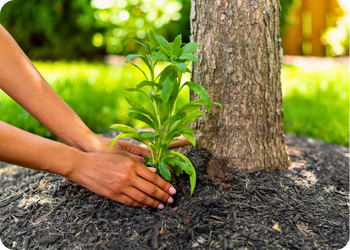
- Location: Plant in full sun with well-drained soil to mimic their natural desert and meadow habitats.
- Watering: Water regularly during the first growing season to establish deep roots. Once established, these plants are highly drought-tolerant.
- Maintenance: Minimal care required. Avoid deadheading in late summer, as the seed heads provide food for other songbirds. Leave the stems and foliage standing through the winter to provide shelter for overwintering beneficial insects.
For more information on planting, view our How to Plant Your Native Plants guide and other planting tips in the Garden for Wildlife Learning Center.
 Grows to:
  Spread:
  Blooms:
  Light Requirements:
  Soil Moisture:
  Soil Description:
  Attracts: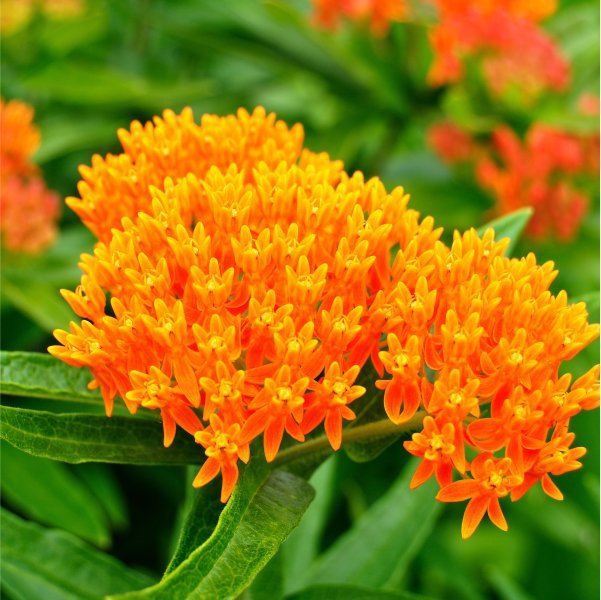

 Verified Buyer