






Fill your garden with citrus fragrance and unique, tiered blooms with Lemon Beebalm (Monarda citriodora). Also known as Lemon Mint or Purple Horsemint, this aromatic winter annual grows 1 to 2 feet tall and features distinctive, tuft-like flower heads. The blooms appear in whorled tiers along the stem, ranging from lilac to pink and magenta, accented by whitish or lavender leaf-like bracts.
When rubbed or crushed, the lance-shaped leaves release a strong, delightful scent reminiscent of lemon with hints of oregano and mint. This fragrance makes the foliage unappealing to deer and rabbits, while the nectar-rich flowers act as a magnet for bees, butterflies, moths, and hummingbirds. Named in honor of 16th-century botanist Nicolas Bautista Monardes, this heat-loving wildflower is edible, easy to grow, and readily self-seeds to form stunning, colorful colonies year after year.
Key Features:
- Distinctive Tiered Blooms: Unusual, whorled flower spikes bloom from the bottom up in shades of lavender, pink, or magenta.
- Aromatic & Edible: Foliage emits a strong citrus-oregano scent when crushed; leaves and flowers can be used raw or cooked in various dishes.
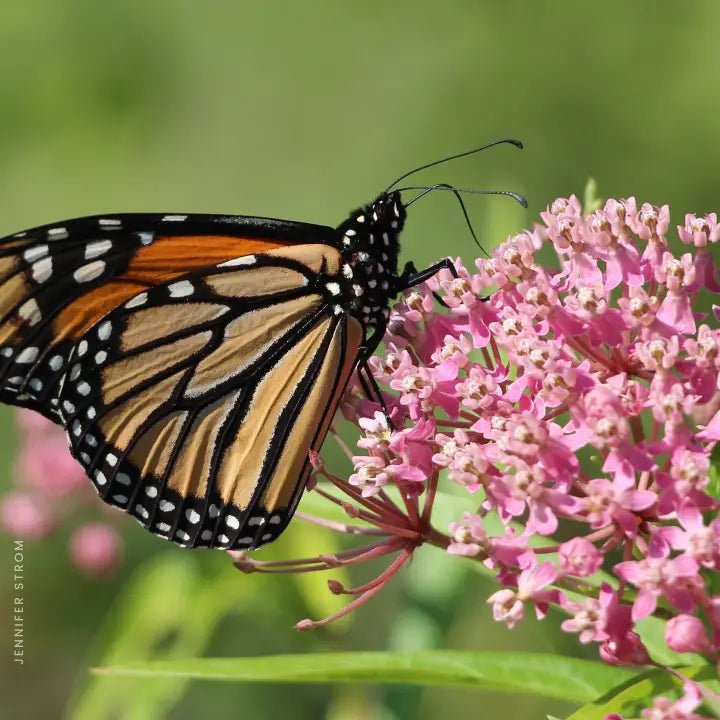
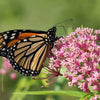
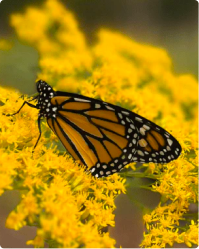
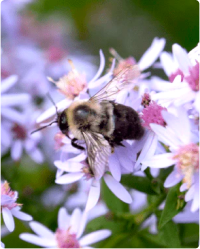
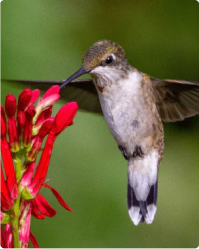
- Pollinator Magnet: A favorite of bees, butterflies, moths, and hummingbirds.
- Deer & Rabbit Resistant: Browsing animals dislike and commonly avoid the fragrant foliage.
- Easy to Grow: A heat-tolerant winter annual that thrives in various soils and forms large colonies via self-seeding.
- Pollinator-Safe: Grown non-GMO and free of harmful neonicotinoids, promoting a healthy ecosystem for pollinators and wildlife.
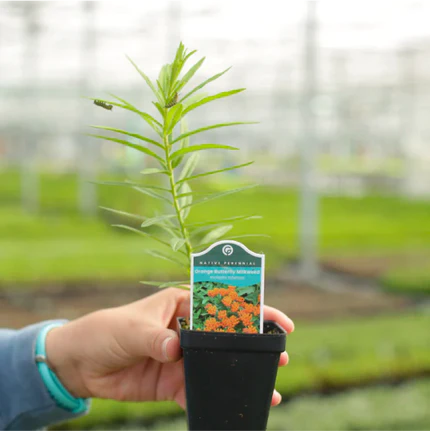
Available in sets of three, six, or 12 plants to create an aromatic, pollinator-friendly display.
Why Choose Lemon Beebalm?
Lemon Beebalm is an exceptional choice for gardeners who want a multi-purpose plant that pleases the senses. Visually, its tiered, pagoda-like flowers add architectural interest; aromatically, it freshens the air with a lemony scent; and ecologically, it supports a wide range of pollinators while repelling pests like deer. Whether planted in a herb garden for culinary use or massed in a meadow for color, this plant is adaptable, resilient, and historically significant.
Planting Tips:
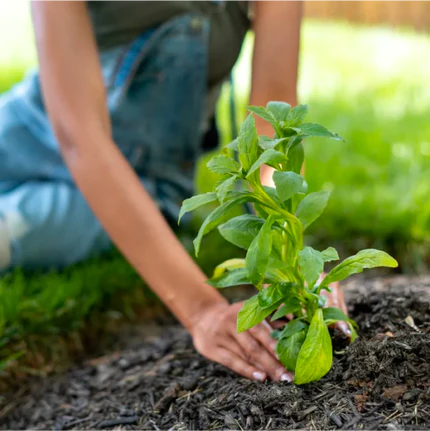
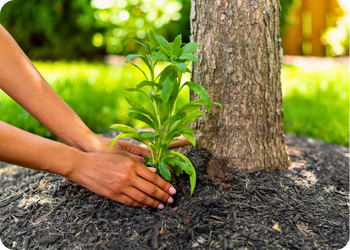
- Location: Prefers full sun to part shade. It loves the heat and tolerates all soil types, though it performs best in limestone-rich, rocky, or sandy soils.
- Watering: Easily grown in average, dry to medium moisture soils.
- Maintenance: This plant is a winter annual that remains in the garden from year to year by self-seeding. It can become aggressive in optimum conditions and is susceptible to powdery mildew, so good air circulation is beneficial.
For more information on planting, view our How to Plant Your Native Plants guide and other planting tips in the Garden for Wildlife Learning Center.
 Grows to:
  Spread:
  Blooms:
  Light Requirements:
  Soil Moisture:
  Soil Description:
  Attracts:
 Verified Buyer