
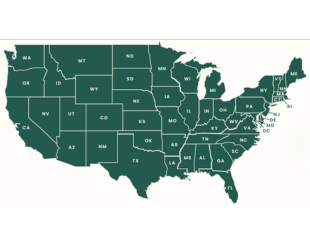






Black Willow (Salix nigra), also known as Swamp Willow or Southwestern Black Willow, is a powerful native powerhouse that brings unmatched ecological value and structural utility to your landscape.
As North America's largest native willow, this fast-growing, water-loving tree is a natural marvel of streambanks, floodplains, and pond edges. Typically reaching 30 to 60 feet in cultivation, it produces cheerful yellow-green catkins in early spring and rapidly anchors wet, shifting soils with a dense, fibrous root system—all while supporting an extraordinary range of local wildlife.
Key Features:
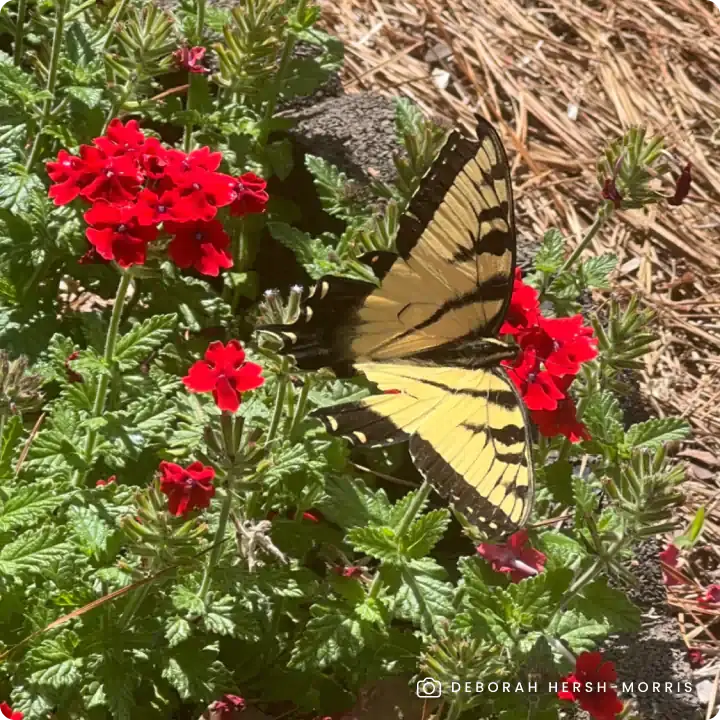
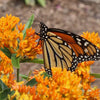
- Keystone Wildlife Superstar: Willows support more caterpillar species than almost any other woody plant! This tree is a critical larval host for iconic butterflies like the Viceroy, Mourning Cloak, Red-Spotted Purple, and Eastern Tiger Swallowtail.
- Early-Spring Pollen: Yellow-green catkins open before most plants bloom, feeding bees and other pollinators when little else is available.
- Thrives in Wet Ground: At home in rain gardens, low spots, and floodplains, this tree effortlessly tolerates prolonged standing water and saturated soils where other trees drown.
- Fast Erosion Control: Rapid growth and a spreading root system stabilize banks and difficult wet sites quickly.
- Rich Botanical History: The bark of the Black Willow contains salicin—a natural compound used for centuries by Native Americans for pain relief, which later became the blueprint for modern aspirin.
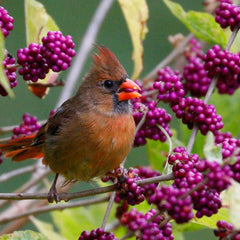
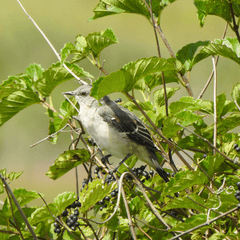
- Wildlife Cover & Browse: Dense foliage shelters nesting birds while twigs and buds feed deer, beaver, and small mammals.
- Eco-Friendly: Grown non-GMO and neonicotinoid-free to ensure a healthy ecosystem for your local wildlife.
This tree ships in a one gallon container with a robust, established root system, promoting quick establishment and growth after planting.
Why Choose Black Willow?
Black Willow is nature’s ultimate bio-engineer, pairing rapid growth with monumental ecological benefits. If you have a challenging, perpetually wet area or a shoreline losing ground to erosion, this tree acts as a living anchor. As a keystone Salix species, it functions as a bustling wildlife timeshare—providing dense nesting cover for songbirds, feeding hungry pollinators in March, and hosting hundreds of species of beneficial insects that keep your local birds fed.
Planting Tips:
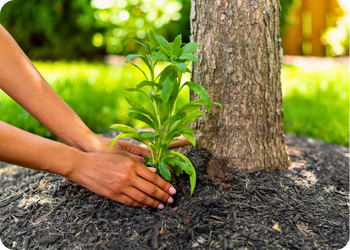
- Location: Thrives in full sun to part shade. Perfect for dedicated rain gardens, retention ponds, and low, soggy areas. Note: Due to its highly effective, water-seeking root system, plant Black Willow at least 50 feet away from septic systems, underground water lines, and home foundations.
- Watering: Prefers consistently moist to wet ground. Keep thoroughly watered during its first year; once established, it will happily drink up excess backyard water.
- Maintenance: Extremely low-maintenance. If needed, prune in late winter or very early spring to shape or remove any storm-damaged branches.
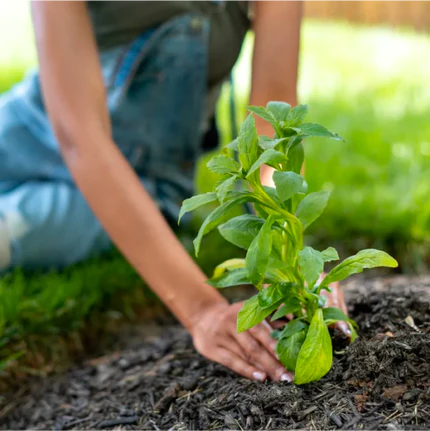
For more information on planting, view our How to Plant Your Native Plants guide and other planting tips in the Garden for Wildlife Learning Center.
Transform your landscape's wettest spots into a thriving wildlife sanctuary with Black Willow—a fast-growing, keystone native that jumps into action every spring to support pollinators, birds, and butterflies.
 Grows to:
  Spread:
  Blooms:
  Light Requirements:
  Soil Moisture:
  Soil Description:
  Attracts:
 Verified Buyer