







Black Gum (Nyssa sylvatica), also known as Black Tupelo, Sour Gum, Pepperidge, is a native tree that brings beauty and ecological value to your garden.
Black Gum is a stately, pyramidal native shade tree celebrated for some of the most brilliant fall color in the eastern forest - glossy dark-green summer leaves that ignite into scarlet, orange, and crimson. Growing 40 to 70 feet over time (often 20 to 30 feet in the landscape), it thrives in full sun and moist, acidic soils yet tolerates wet ground, occasional drought, and poor drainage.
Key Features:
- Spectacular Fall Color: Among the first trees to turn, with intense scarlet-to-crimson foliage each autumn.
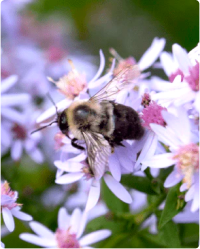
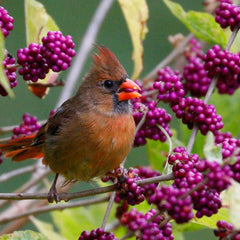
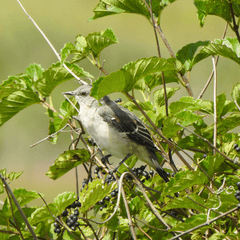
- Wildlife Powerhouse: Bluish-black drupes feed migrating birds and mammals, while spring flowers are a prized nectar source for honeybees. It is also the host plant for the Hebrew moth (Polygrammate hebraeicum), a striking native specialist that relies on Nyssa species to survive.
- Adaptable & Tough: This exceptionally strong hardwood features an interlocked grain, making it highly resistant to storm and wind damage. It thrives in full sun to part shade and tolerates wet soils, standing water, and some drought once established.
- Habitat Value: Natural cavities in mature trunks shelter birds, bats, and other wildlife.
- Handsome Form: Develops a straight trunk and pyramidal-to-rounded crown. As it ages, the bark develops deeply ridged, blocky patterns reminiscent of alligator skin, providing winter interest for generations. (Fun fact: Black Gums are incredibly long-lived, often thriving for over 250 years!)
- Deer Resistant: Highly resilient to deer browsing once established.
- Eco-Friendly: Grown non-GMO and neonicotinoid-free to ensure a healthy ecosystem for your local wildlife.
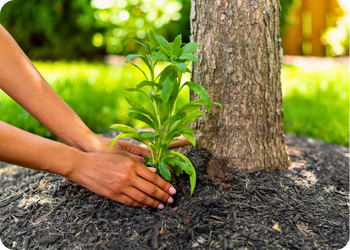
This tree ships in a one gallon container with a robust, established root system, promoting quick establishment and growth after planting.
Why Choose Black Gum?
Black Gum pairs lasting garden beauty with real ecological benefit and structural resilience. As a remarkably strong hardwood known for its ability to withstand storms and high winds, it’s a dependable choice for the home landscape. Flowers are a major bee nectar source, trunk cavities shelter wildlife, and the tree supports local biodiversity season after season. Plus, unlike other shade trees, Black Gum is relatively mess-free; its small, high-lipid fruits are quickly eaten by hungry birds before they ever hit your lawn or patio.
Planting Tips:
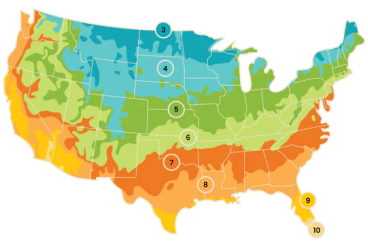
- Location: Plant in full sun to part shade with moist, acidic soils preferred; adaptable - tolerates wet/poorly drained ground, standing water, and some drought.
- Watering: Water regularly during the first growing season to establish roots. Once established, it tolerates occasional dry spells.
- Maintenance: Minimal care required. Prune in late winter or early spring to remove dead or damaged branches and establish a strong structure.
- Protection: If you have a high local deer population, use a tree guard or cage for the first season or two. Once established, the mature tree is highly resilient and naturally deer-resistant.
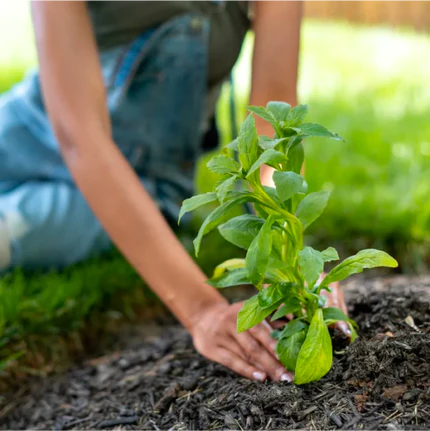
For more information on planting, view our How to Plant Your Native Plants guide and other planting tips in the Garden for Wildlife Learning Center.
Add the beauty and ecological benefits of Black Gum to your garden—a resilient native tree that rewards you with stunning autumn color while supporting local pollinators and wildlife.
 Grows to:
  Spread:
  Blooms:
  Light Requirements:
  Soil Moisture:
  Soil Description:
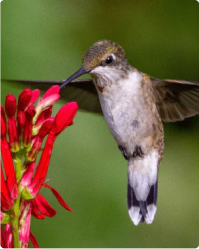
  Attracts:
 Verified Buyer