
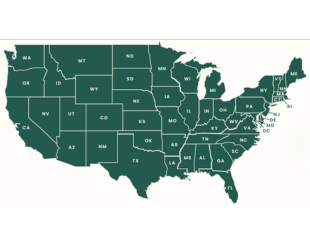
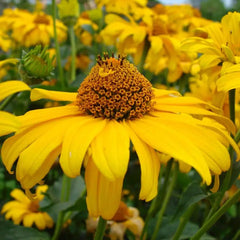
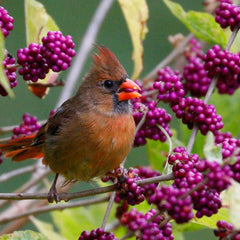

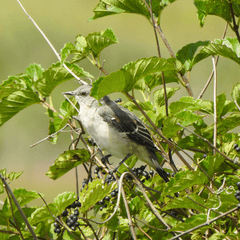





By including a large canopy tree, an understory tree, and two structural shrubs, you can build a complete vertical habitat that offers incredible wildlife value and multi-season beauty. This specific mix boasts an expansive native range and is perfectly suited for a sprawling acre, offering a gorgeous transition from an open lawn to a forested boundary.
What is Included:
- Red Maple (Acer rubrum): A versatile and fast-growing canopy tree reaching 40 to 70 feet tall. Provides crucial early spring pollen for native bees with its striking red blooms and delivers spectacular, vibrant red foliage in the fall. It acts as a keystone host plant for dozens of native moth species and adapts beautifully to a wide variety of soil conditions.
- Flowering Dogwood (Cornus florida): An understory tree growing 15 to 30 feet tall featuring large white spring blooms and bright red fall berries that foraging birds love. It offers stunning reddish-purple fall foliage and thrives best when its trunk is protected from the harshest late afternoon sun.
- Red Twig Dogwood Shrub (Cornus sericea): A fast-growing 6 to 9 foot shrub that provides delicate spring flowers and stunning bright red branches for striking winter visual interest. It excels in moist soils, making it great for rain gardens, and removing a third of the oldest stems each spring ensures the brightest winter color.
- Winterberry Shrub (Ilex verticillata): A dense 6 to 10 foot shrub that drops its leaves in late autumn to reveal clusters of bright red berries, providing crucial winter sustenance for Northern Cardinals and Blue Jays. It thrives in moist, acidic soils. Please note that Winterberry is dioecious, meaning a male pollinator shrub is required nearby for the female to produce berries.
Key Features:
- Vertical Habitat: Combines a highly adaptable shade tree, a flowering understory, and two dense shrubs to build a protective, layered environment.
- Winter Vibrancy: Between the striking crimson branches of the Red Twig Dogwood and the heavy berry clusters of the Winterberry, your yard will look spectacular even in the snow.
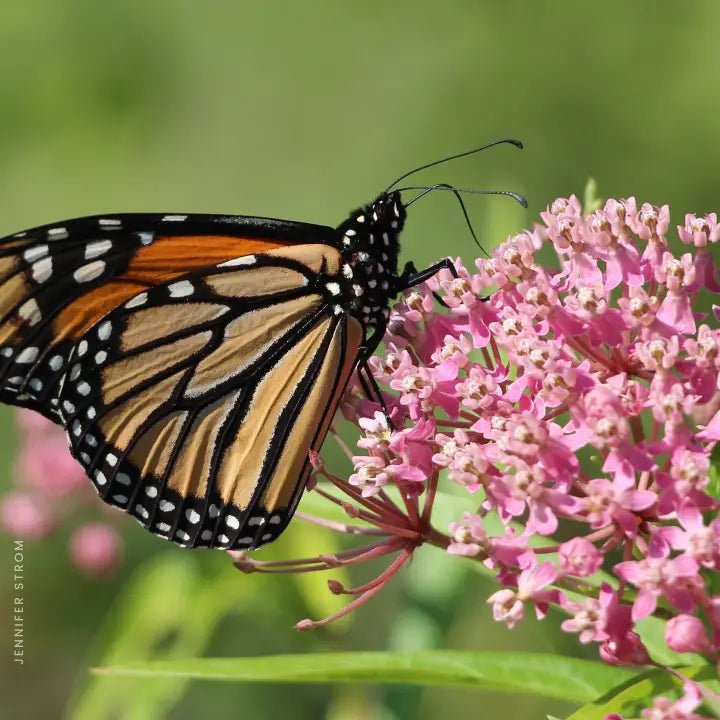
- Pollinator and Bird Support: Attracts butterflies, bees, and moths while also providing food and shelter for birds.
-
Pollinator-Safe: Grown non-GMO and neonicotinoid-free to ensure a healthy ecosystem for your local wildlife.
Each plant ships in a 1-gallon container with established root mass.
Why Choose the Backyard Canopy Collection?
This collection takes the guesswork out of native landscaping by providing a pre-designed, complementary ecosystem. Instead of planting a flat garden, you are creating a layered forest edge that maximizes biodiversity, naturally filters runoff, blocks harsh winds, and guarantees visual interest across all four seasons.
Spacing & Layout Guide:
To create a cohesive, staggered canopy as these plants mature, follow these spacing recommendations:
- Red Maple: Plant at least 20 to 25 feet away from houses, power lines, and fences to allow for its massive 30 to 50 foot mature canopy spread.
- Flowering Dogwood: Plant 15 to 20 feet away from the trunk of the Red Maple so it can benefit from dappled afternoon shade.
- Red Twig Dogwood: Plant 10 to 15 feet from the trunk of the Flowering Dogwood.
- Winterberry Shrub: Plant 5 to 8 feet away from the Red Twig Dogwood to allow the shrubs to gently merge into a dense, protective thicket.
Complete Your Wildlife Habitat
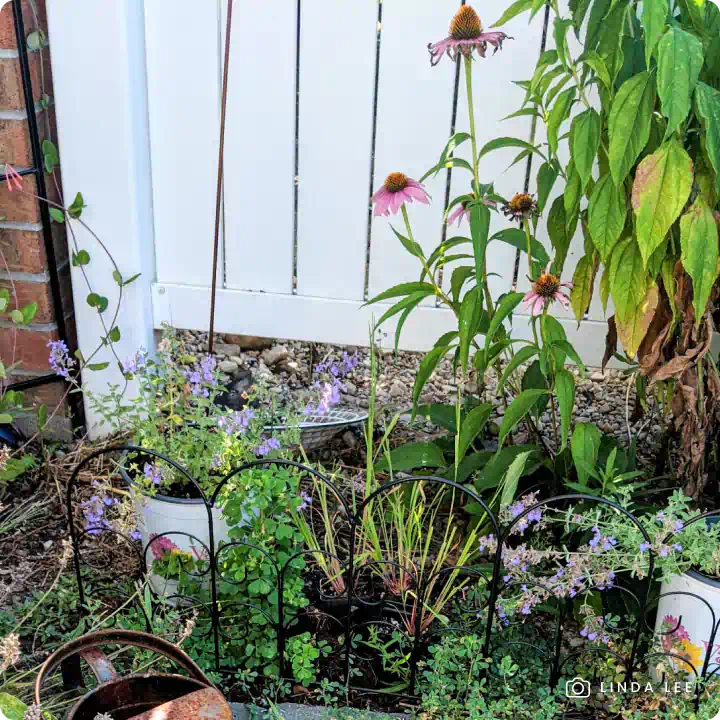
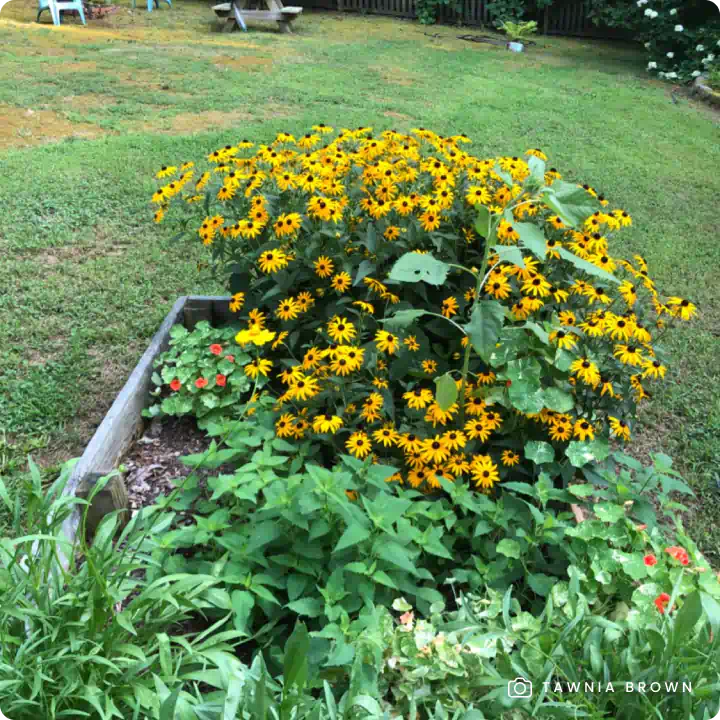
To truly bring your forest edge to life, underplant this collection with a vibrant layer of native perennials. For the best results, start planting your perennials about 2 to 3 feet away from the base of the shrubs to give all the root systems plenty of room to thrive. Layering in a package like the Monarch Munchables Collection, or filling your foreground with native favorites like Black-Eyed Susan (Rudbeckia hirta) and Purple Coneflower (Echinacea purpurea), will provide essential nectar for pollinators and complete your multi-tiered ecosystem.
Planting Tips:
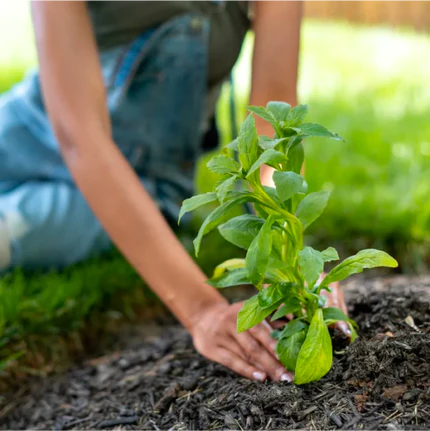
- Location: Plant in full sun to part shade. While the shrubs and understory tree appreciate well-drained to moist soils, the Red Maple is highly adaptable to various moisture levels. Just ensure the tree has plenty of room to reach its mature canopy spread.
- Watering: Water regularly during the first growing season to establish roots. Once established, these native plants require significantly less supplemental watering.
- Maintenance: Minimal care required. Leaving the herbaceous plant stems standing in your broader garden during the fall offers overwintering sites for beneficial insects.
For more information on planting, view our How to Plant Your Native Plants guide and other planting tips in the Garden for Wildlife Learning Center.
 Grows to:
  Spread:
  Blooms:
  Light Requirements:
  Soil Moisture:
  Soil Description:
  Attracts:


 Verified Buyer