





Transform your landscape with the vibrant colors and minty fragrance of Autumn Sage (Salvia greggii), also known as Cherry Sage or Gregg’s Sage. This popular, soft-mounding shrub typically grows 2–3 feet tall and wide. Valued for its nearly evergreen habit and dense growth, it is a versatile powerhouse in the garden, functioning beautifully as a small ornamental shrub, a low hedge, or a standout in a perennial bed.
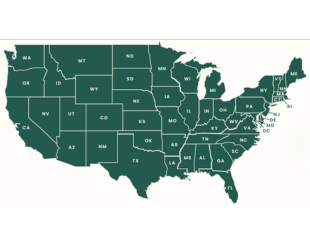
Native to the rocky slopes of central and west Texas and spanning south into Mexico, Autumn Sage is a legendary survivor in hot, arid environments. Its small, green leaves are highly aromatic, quickening the senses whenever you brush past. While its wild blossoms are most commonly a brilliant red, this species is celebrated for a stunning color range—including pink, purple, orange, and white—that provides a nearly constant display of color from spring until the first frost.
Key Features:
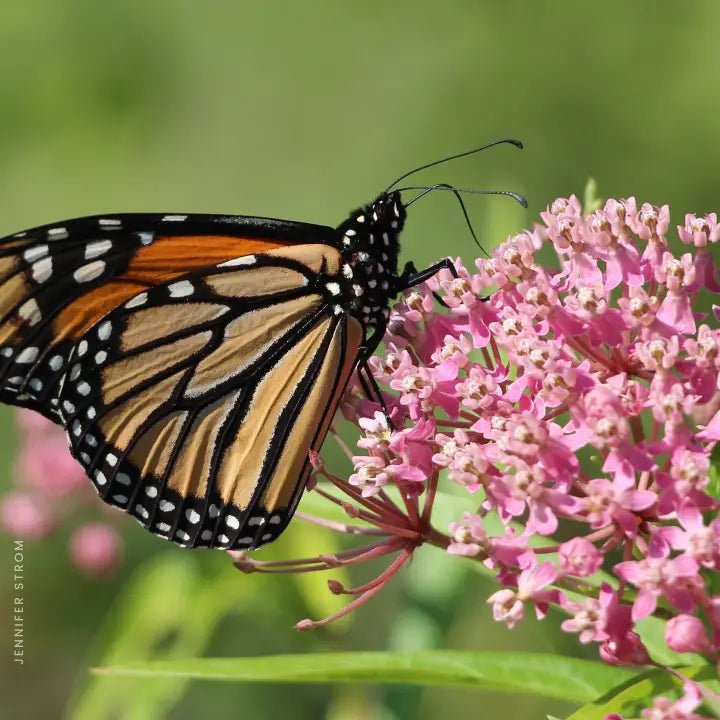
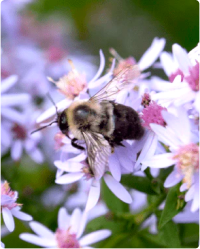
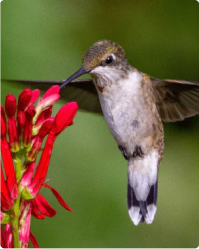
- Pollinator Magnet: The tubular, two-lipped flowers are specifically designed to draw in hummingbirds, butterflies, and bees.
- Extended Bloom Season: Offers a long-lasting floral show from March through November, with the heaviest blooming often occurring in the autumn when other nectar sources are scarce.
- Drought-Tolerant & Hardy: Once established, this plant is exceptionally water-wise and thrives in well-drained, rocky soils.
- Aromatic Evergreen Foliage: Features small, mint-scented leaves that remain evergreen in warmer climates.
- Low Maintenance: Naturally disease and insect-free; requires no fertilizer once established to maintain its healthy, mounding shape.
- Safe for the Whole Family: Non-toxic to humans and pets, making it a worry-free addition to homes with children or animals.
- Pollinator-Safe: Grown non-GMO and free of harmful neonicotinoids, promoting a healthy ecosystem for pollinators and wildlife.
Available in sets of three, six, or 12 plants to suit any garden size.
Why Choose Autumn Sage?
Autumn Sage is a favorite for xeriscaping and rock gardens because it combines rugged resilience with delicate beauty. Beyond its ornamental value, it has a rich history; named in honor of 19th-century botanist Josiah Gregg, it is a true staple of the American Southwest. It even offers culinary versatility, as the leaves can be used for seasonings and teas, and the flowers themselves are edible.
Planting Tips:
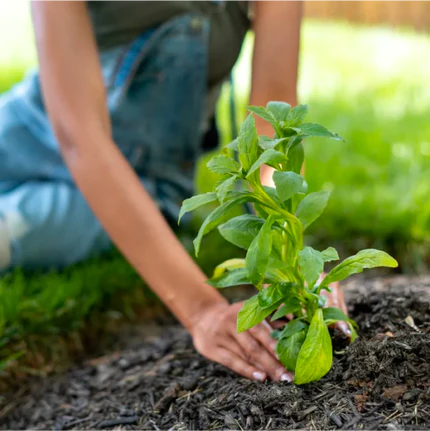
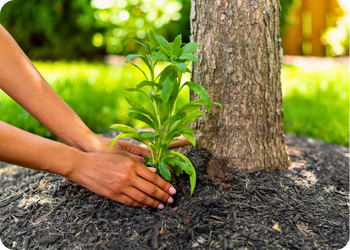
- Location: Must be planted in a well-drained site. It thrives in full sun but prefers rocky or average soils. Avoid "shrink-swell" clay soils. If planting in clay, work in organic matter to improve drainage or plant on a slope to ensure the roots stay dry.
- Watering: Water regularly during the first growing season to establish the root mass. Once established, it is highly drought-tolerant.
- Maintenance: Minimal care is required. You may prune the shrub to maintain a denser, more formal shape or to encourage fresh blooming.
For more information on planting, view our How to Plant Your Native Plants guide and other planting tips in the Garden for Wildlife Learning Center.
 Grows to:
  Spread:
  Blooms:
  Light Requirements:
  Soil Moisture:
  Soil Description:
  Attracts:
 Verified Buyer