





Yerba Mansa (Anemopsis californica), also known as Swamp Root, Lizard Tail, is an iconic Southwest wetland treasure that turns moist soils into lush, weed-smothering mats topped with peppery-scented, cone-and-bract blooms.
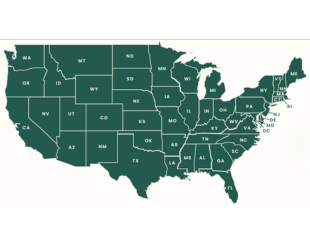
Yerba Mansa is a striking native perennial of the American Southwest and California, instantly recognizable by its unusual white flower heads—an upright cone of tiny blooms surrounded by white petal-like bracts that age to a rich reddish-pink. Native to moist alkaline stream banks, seasonal seeps, and desert springs, it spreads steadily by above-ground stolons (like strawberry runners) to form dense, lush colonies. Revering a centuries-long history of Indigenous medicinal use, it is a magnificent pollinator hub and a showstopping groundcover for rain gardens and water edges.
Key Features:
- Extraordinary Blooms: Unusual upright flower cones ringed by white petal-like bracts bloom from May through July, slowly shifting to striking crimson-pink as they age.
- Powerfully Aromatic: Every part of the plant carries a distinctive spicy, peppery fragrance when crushed.
- Wetland & Clay Specialist: One of the rare native groundcovers built to thrive in wet, boggy, heavy clay, or high-alkaline soils where other plants suffer root rot.
- Weed-Smothering Colony Former: Spreads via surface stolons to build a dense, lush carpet of large, leathery blue-green leaves that blanket bare mud and prevent erosion.
- Rich Southwest Heritage: Historically one of the most revered and culturally significant medicinal plants across Indigenous Southwest and Hispanic traditions.
- Pollinator-Safe: Grown non-GMO and neonicotinoid-free to ensure a healthy ecosystem for your local wildlife.
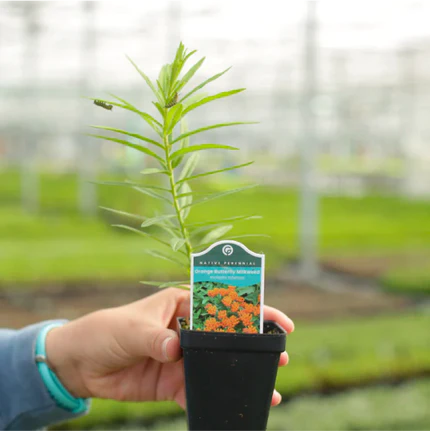
Our plants ship in 3-inch pots, have a developed root mass, and emerging foliage around 2-5 inches high.
Why Choose Yerba Mansa?
Yerba Mansa is an essential ecological anchor for wetland micro-habitats. Its unusual flower cones attract native sweat bees, hoverflies, and pollen-seeking beetles, while its dense, low-growing leafy mats provide cooler soil temperatures, moisture retention, and safe micro-shelter for frogs, toads, beneficial predatory insects, and ground-nesting pollinators.
Planting Tips:
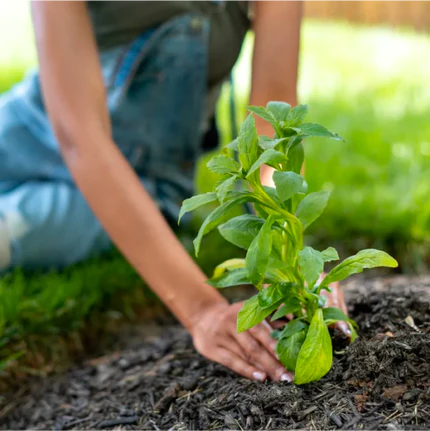
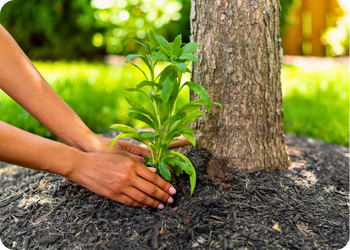
- Location: Plant in full sun to part shade in moist to wet, fine-textured clay, loam, or mud soils. Exceptional choice for rain gardens, pond margins, and bioswales; handles alkaline and seasonally flooded conditions.
- Watering: Keep soil consistently moist to wet, especially during its first season. Once established, it tolerates brief periods of drying in humid areas, but prefers reliable moisture.
- Maintenance: Minimal care required. No deadheading needed—flower cones age into attractive reddish seed heads that persist into fall. Simply clear away old, browned winter foliage in early spring before fresh green growth emerges.
For more information on planting, view our How to Plant Your Native Plants guide and other planting tips in the Garden for Wildlife Learning Center.
Add the beauty and ecological benefits of Yerba Mansa to your garden — a native perennial that rewards you with distinctive white flower heads featuring an upright cone center ringed by white bracts from May through July while supporting pollinators and wildlife.
 Grows to:
  Spread:
  Blooms:
  Light Requirements:
  Soil Moisture:
  Soil Description:
  Attracts:
 Verified Buyer