








Woods’ Rose (Rosa woodsii), also known as Mountain Rose or Western Wild Rose, is a fast-growing, much-branched deciduous shrub that adds romantic beauty and high ecological value to any landscape. Reaching 3–6 feet in height, this long-lived native is famous for its striking pink-to-lavender blooms and its "impenetrable thickets" that provide unmatched sanctuary for local wildlife. Whether used as a fragrant ornamental or a functional soil stabilizer, Woods' Rose is a versatile powerhouse that thrives from mountain ranges to riparian meadows.
Key Features:
- Fragrant Pink Blooms: In late spring, the shrub is adorned with striking, 2-inch wide pink-to-lilac flowers that emit a classic, heavy rose fragrance.
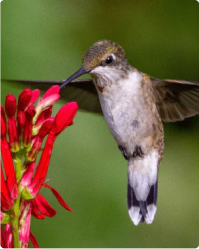
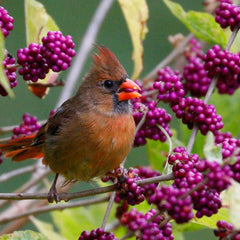
- Nutritious Winter Hips: Following the flowers, orange-red fleshy fruits (hips) develop; these remain on the plant through winter, providing a critical source of vitamin C, protein, and energy for birds and mammals when snow covers the ground.
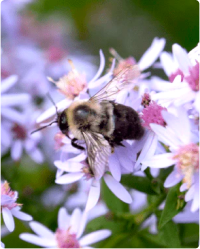
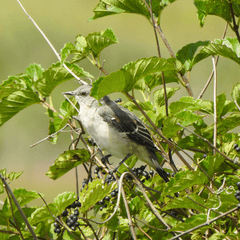
- Premier Wildlife Habitat: The dense, prickly thickets offer essential nesting and escape cover for songbirds and small mammals, while the plant itself hosts an incredible 58 species of butterflies and moths.
- Erosion Control Expert: Thanks to an extensive rhizome and fibrous root system, this rose is exceptionally effective at stabilizing soil along streambanks, road cuts, and slopes.
- Multi-Season Beauty: Features red stems and medium-green pinnately compound leaves that provide a lush backdrop in summer before shedding for the winter.
- Edible & Medicinal Heritage: The hips are a traditional source of vitamin C and are frequently dried to flavor teas, jellies, and puddings.
- Pollinator-Safe: Grown non-GMO and free of harmful neonicotinoids, promoting a healthy ecosystem for pollinators and wildlife.
Available in one-gallon containers.
Why Choose Woods’ Rose?
Woods’ Rose is a "pioneer species," meaning it is one of the first to establish on disturbed sites, making it incredibly resilient and easy to grow. While it is armed with straight, sharp thorns, these make it naturally deer-resistant and an excellent choice for a "living fence" or security hedge. It is a dominant species in wetland and riparian sites but is remarkably adaptable to a broad range of moisture levels. For gardeners looking to attract squirrels, coyotes, bears, and dozens of bird species, this shrub is a top-tier biodiversity booster.
Planting Tips:
- Location: Thrives in moist places but is adapted to a wide variety of environments, from dry grassy slopes to subalpine forests. Tolerates heavy clay but performs best in moist, loamy, and organically rich soil.
- Watering: Needs consistent moisture during establishment; once established, it can be watered as infrequently as once a month in the summer.
- Maintenance: Because of its sprawling nature and thorns, it is best to prune this shrub annually in the winter to maintain its shape. It reproduces through rhizomes and root crown sprouts, allowing it to persist even after low-severity fires.
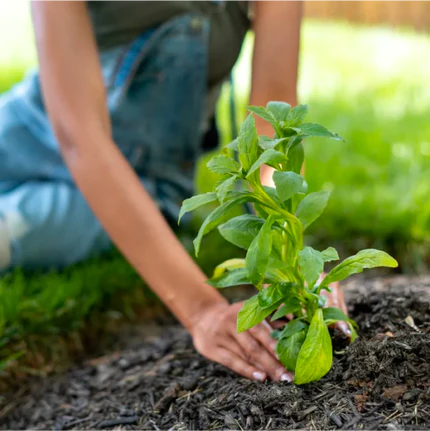
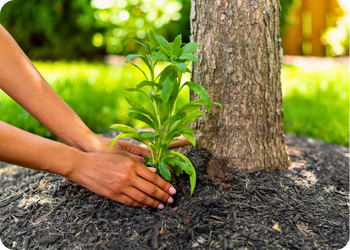
For more information on planting, view our How to Plant Your Native Plants guide and other planting tips in the Garden for Wildlife Learning Center.
 Grows to:
  Spread:
  Blooms:
  Light Requirements:
  Soil Moisture:
  Soil Description:
  Attracts:
 Verified Buyer