





The Wild Harvest Food Plot is designed for the land manager who wants to build a permanent, self-sustaining living pantry. By focusing on native species that provide both high-protein forage and essential brood-rearing cover, this bundle bridges the gap between traditional game management and deep-rooted ecological restoration. Unlike annual food plots that require yearly tilling and chemical inputs, this collection establishes a perennial system that grows more productive each year.
Key Benefits:
- High-Protein Forage: Features species like Wild Strawberry and Wild Petunia that provide essential spring nutrients and palatable browse for deer, turkey, and rabbits.
- Brood-Rearing Habitat: The combination of Clustered Mountainmint and Grayleaf Goldenrod attracts the massive volume of high-protein insects required for the survival of young turkey poults and pheasant chicks.
- Year-Round Security: Provides a tiered landscape—ranging from low-growing forage to mid-height nesting cover—that keeps wildlife on your property across every season.
- Tactical Design: Side Oats Grama provides perfect overhead nesting cover for upland birds while leaving open space at ground level for chicks to navigate.
- Eco-Friendly: All plants are grown non-GMO and are 100% neonicotinoid-free, ensuring a safe haven for the wildlife they attract.
Meet the Plants
- Wild Strawberry (Fragaria virginiana): An early-season powerhouse providing high-sugar fruit and lush spring foliage.
- Clustered Mountainmint (Pycnanthemum muticum): The ultimate insect magnet for nutrient-rich brood-rearing.
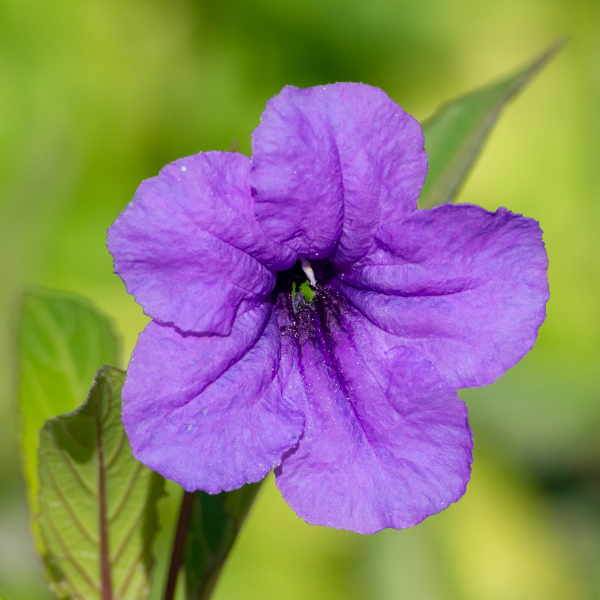
- Wild Petunia (Ruellia humilis): A durable, low-growing perennial and highly palatable browse source.
- Side Oats Grama (Bouteloua curtipendula): An essential bunchgrass for nesting cover and chick navigation.
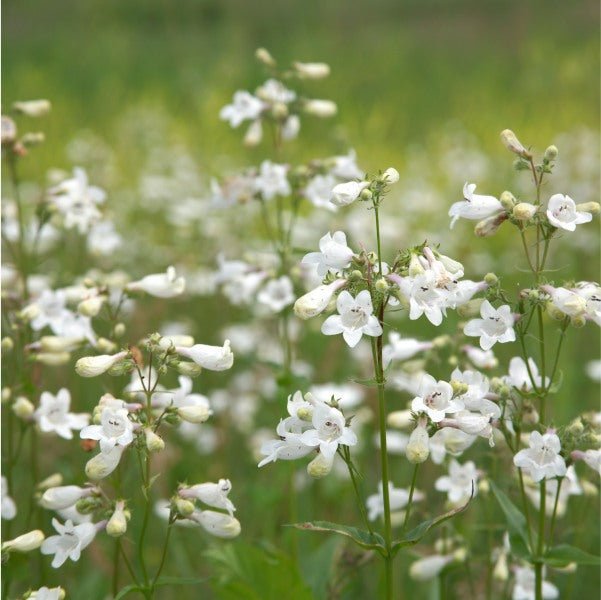
- Foxglove Beardtongue (Penstemon digitalis): Offers critical early-season green browse and attracts diverse pollinators.
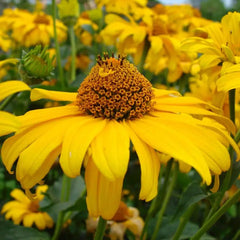
- Grayleaf Goldenrod (Solidago nemoralis): Provides late-season security cover and vital fall seeds.
Why Choose the Wild Harvest Bundle?
This collection allows you to restore the land while sustaining the hunt. Use the low-growing Wild Petunia and Strawberry as a "green edge" to draw game out of heavy cover, while using the Side Oats Grama and Goldenrod to create secure bedding and travel corridors. This "nursery" environment ensures the next generation of upland birds has the protein-rich diet they need to thrive.
Choosing a Bundle:
To provide high-quality "brood-rearing" habitat that actually outcompetes weeds, you should aim for a high-density planting:
- For Upland Birds (Turkeys/Pheasants): Use one 108-plant bundle to create a dense, 150 sq. ft. "insect buffet". By planting them closely (12–18" apart), you create a thick canopy that attracts a high volume of protein-rich insects while providing overhead security for chicks.
- For Deer: To actually hold or draw deer on a 40-acre tract, you should aim for 3–5 "islands" using the 216-plant bundles.
Note: These aren't meant to replace a 2-acre clover field; they are designed to provide high-protein snacks and security cover that keeps deer from leaving your property to find diversity elsewhere.
Planting Tips:
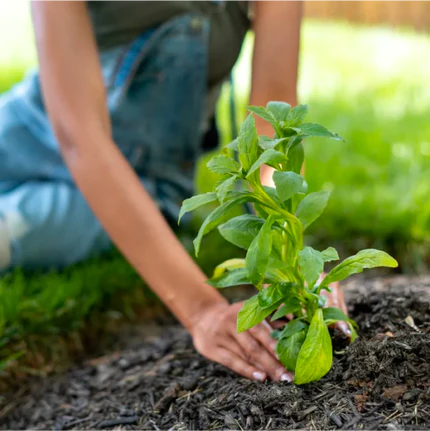
-
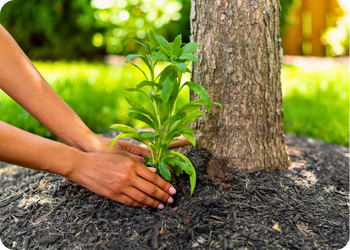
Strategic Location: Site your islands in full sun to part shade along wood lines, near water sources, or adjacent to bedding cover. These resilient native species are selected to thrive in rugged conditions, including dry, rocky, or heavy clay soils, once their roots take hold.
-
Establishment Watering: For remote properties, timing is everything. Once shipping is open, we ship live plants within 10–14 days. If they arrive before you're ready, they can safely stay in their pots for weeks—just keep them watered and in the sun. Aim to plant in early spring or fall, ideally just before a forecasted rain to ensure deep soil saturation. Regardless of rainfall, these plants MUST be watered in thoroughly at the time of planting. For the first 6–8 weeks, they require consistent moisture to anchor their roots. If you cannot get to the property to water during a dry spell, your plants may struggle to survive. Once established, these native species become highly drought-hardy.
-
Zero-Till Maintenance: Once established, your Wild Harvest islands are designed to be self-sustaining. Avoid mowing or tilling, which disrupts the perennial root systems and destroys nesting structure.
-
Competition Management: In Year 1, simply use a string trimmer once or twice to knock back tall, overhanging weeds. This ensures sunlight reaches your young plugs. By Year 3, your native pantry will begin to "leap," outcompeting weeds and expanding its footprint naturally.
For more information on planting, view our How to Plant Your Native Plants guide and other planting tips in the Garden for Wildlife Learning Center.
 Grows to:
  Spread:
  Blooms:
  Light Requirements:
  Soil Moisture:
  Soil Description:
  Attracts:



 Verified Buyer