





Western Redbud (Cercis occidentalis), also known as California Redbud, is an iconic western native that kicks off the season with a sensational, leafless explosion of magenta-pink blossoms across the foothills and chaparral.
Western Redbud is a breathtaking multi-stemmed shrub or small tree native to the sunny foothills, dry canyons, and chaparral slopes of the American West. Long before spring leaves emerge, its bare dark branches erupt in dense clusters of brilliant magenta-pink pea flowers. The dramatic floral display provides a vital early-season lifeline for emerging native bees and migrating hummingbirds, followed by lush heart-shaped foliage in summer and russet seed pods that linger into winter. Exceptionally water-wise and soil-adaptable, it brings striking year-round structure to xeric gardens.
Key Features:
- Spectacular Early Bloom: Dense clusters of vivid magenta-pink flowers burst from bare branches in late winter — a show-stopping display before a single leaf appears.
- California Native Icon: One of the most beloved native plants of the California foothills and chaparral, adapted to dry, rocky slopes where few ornamentals can thrive.
- Leafcutter Bee & Caterpillar Host: Its delicate, heart-shaped leaves are prized by native Leafcutter Bees (who snip neat circles to construct nests) and host caterpillar species like Henry's Elfin.
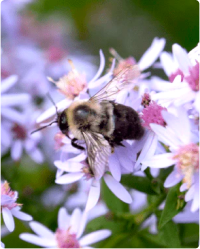
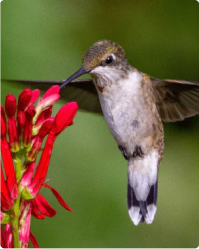
- Hummingbird and Bee Magnet: Prolific early-spring flowers provide critical early-season nectar for Anna's hummingbirds and native bees when little else is blooming.
- Heart-Shaped Foliage: Attractive, rounded to heart-shaped leaves emerge fresh green in spring and turn clear yellow in autumn for multi-season interest.
- Persistent Russet Pods: Flat, purplish-brown seed pods develop in late summer and linger through winter, offering visual interest and nutrient-dense food for songbirds.
- Drought Adapted: Once established in well-drained soil, requires little to no supplemental irrigation — a true water-wise western native.
- Pollinator-Safe: Grown non-GMO and neonicotinoid-free to ensure a healthy ecosystem for your local wildlife.
This tree ships in a one gallon container with established root mass. In the fall, branches will be 12” to 18” tall with leaves. Spring shipments will be dormant with only branches and no leaves and a healthy one gallon root mass.
Why Choose Western Redbud?
Western Redbud is a foundational habitat anchor for western native landscapes. Its early blooms energize Anna’s Hummingbirds, sweat bees, and solitary native bees, while its foliage supports native caterpillars and provides material for industrious Leafcutter Bees. In autumn, its round leaves turn a lovely clear yellow, while its persistent bean-like seed pods provide crucial winter protein for grosbeaks, towhees, and quail.
Planting Tips:
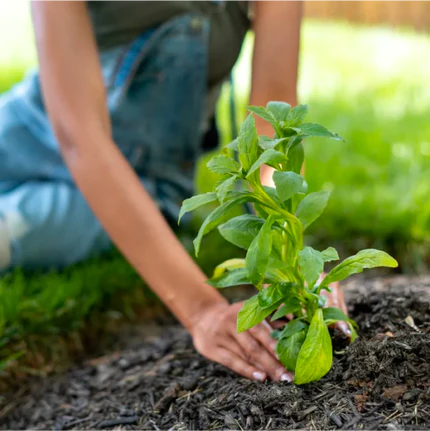
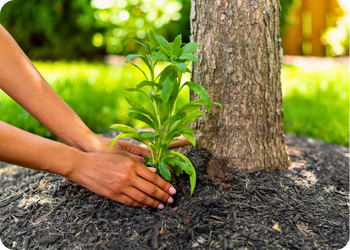
- Location: Plant in full sun to partial shade in well-drained rocky, loamy, or sandy soils. Highly tolerant of lean soils and lean clay if drainage is adequate—requires good drainage and cannot abide standing water.
- Watering: Water regularly during its first growing season to establish a deep, drought-proof root system. Once established, it requires little to no supplemental summer water and thrives on natural rainfall alone.
- Maintenance: Low-maintenance. Prune lightly in late winter before new growth starts to shape into a multi-trunk tree or remove damaged branches.
For more information on planting, view our How to Plant Your Native Plants guide and other planting tips in the Garden for Wildlife Learning Center.
Add the beauty and ecological benefits of Western Redbud to your garden — a native shrub that rewards you with dense clusters of vivid magenta-pink, pea-like flowers blooming directly on bare branches from February through April while supporting pollinators and local wildlife.
 Grows to:
  Spread:
  Blooms:
  Light Requirements:
  Soil Moisture:
  Soil Description:
  Attracts:
 Verified Buyer