




Bring the iconic "Silverleaf" of the Chihuahuan Desert to your landscape with Texas Sage (Leucophyllum frutescens), a rugged and breathtaking evergreen shrub also known as Cenizo or Barometer Bush. This compact, loosely branched plant is famous for its shimmering, silvery-gray foliage covered in millions of tiny, soft hairs. It earns the name "Barometer Bush" because its showy masses of pink-lavender flowers burst into bloom in response to spikes in humidity or rainfall, often "predicting" a summer shower.
Typically growing 5–8 feet tall (and occasionally reaching 10–12 feet at maturity), Texas Sage is a "Texas Native Superstar" for water-conserving landscapes. Whether used as a silvery hedge, a foundation planting, or a standalone specimen, its intermittent cycles of vibrant purple-to-pink blooms provide a spectacular contrast against its ashy foliage from spring through fall.
Key Features:
- Rain-Triggered Blooms: Showy, bell-shaped flowers in shades of violet, purple, or pink bloom in batches triggered by humidity and rainfall.
- Silvery Evergreen Foliage: Soft, silver-gray leaves provide year-round texture and visual interest.
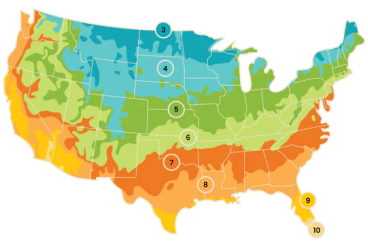
- Extreme Heat & Drought Tolerance: An exceptionally water-wise choice that thrives in the intense sun of the Southwest.
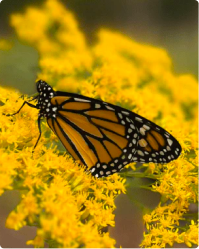
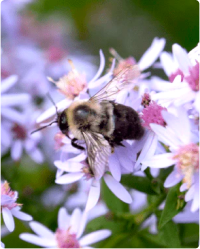
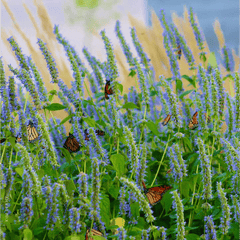
- Pollinator Haven: Attracts butterflies and bees with its nectar-rich flowers.
- Vital Larval Host: Serves as a host plant for the Theona Checkerspot butterfly and the Calleta Silkmoth.
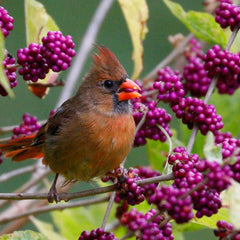
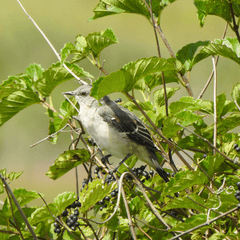
- Wildlife Cover: Provides essential nesting sites and protective cover for birds.
- Deer Resistant: Highly resistant to deer, making it a reliable choice for open landscapes.
- Pollinator-Safe: Grown non-GMO and free of harmful neonicotinoids, promoting a healthy ecosystem for pollinators and wildlife.
Available in sets of three, six, or 12 plants to create a shimmering, drought-tolerant border.
Why Choose Texas Sage?
Texas Sage is the ultimate "low-maintenance" desert shrub. Its name Leucophyllum comes from the Greek words for "white leaf," referencing the stunning foliage that makes it a popular ornamental. It is highly valued for its ability to thrive in poor, alkaline, and rocky soils where other shrubs might struggle. Because it blooms on new wood, it responds well to pruning, allowing you to maintain a tidy hedge or a natural, sprawling form.
Planting Tips:
- Location: Must be planted in full sun. It thrives in heat but "humidity and high night temperatures" can be challenging outside its native range. Sharp drainage is essential. It prefers rocky, calcareous, or alkaline soils. In areas with high rainfall, consider using raised beds to prevent "cotton root rot".
- Watering: Once established, plants require minimal moisture. Do not over-water, as soggy soil can be lethal.
- Maintenance: Do not fertilize. Prune as needed to maintain shape, keeping in mind that flowers appear on new growth.
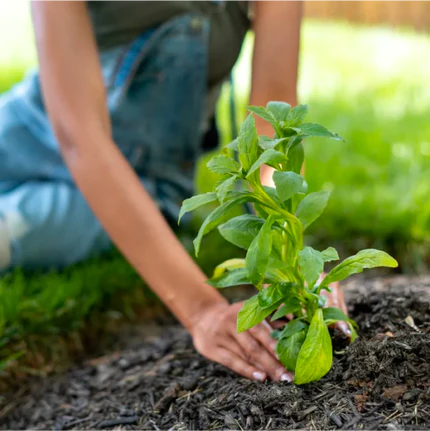
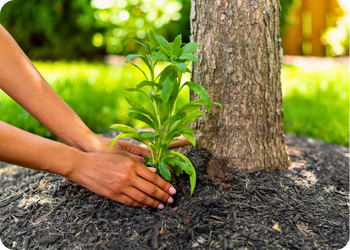
For more information on planting, view our How to Plant Your Native Plants guide and other planting tips in the Garden for Wildlife Learning Center.
 Grows to:
  Spread:
  Blooms:
  Light Requirements:
  Soil Moisture:
  Soil Description:
  Attracts:
 Verified Buyer