
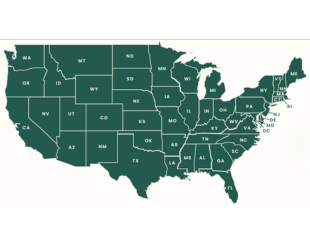






Texas Mountain Laurel (Sophora secundiflora), also known as Mescal Bean or Frijolillo, is a beloved native evergreen that brings spectacular beauty and vital ecological value to your garden. As one of the most unmistakable trees of the Texas Hill Country, it announces spring with drooping clusters of brilliant violet-blue flowers that carry an intoxicating, sweet grape fragrance. Native to limestone hills, canyon walls, and caliche flats across Texas and New Mexico, this resilient shrub or small tree is an ornamental powerhouse perfect for water-wise landscapes.
Key Features:
- Extraordinary Fragrance: Clusters of violet-blue flowers carry an intensely sweet, unmistakable grape scent — one of the most powerfully fragrant native trees in North America.
- Bold Year-Round Presence: Glossy, dark green pinnate leaves remain attractive all year, providing evergreen structure in the landscape through every season.
- Limestone Native: Perfectly adapted to the alkaline, rocky soils and summer drought of the Edwards Plateau — thrives with zero supplemental irrigation once established.
- Early-Spring Spectacle: One of the first Texas natives to bloom, with drooping violet flower clusters appearing February through April before most spring wildflowers open.
- Distinctive Seed Pods: Fuzzy silver pods mature into woody casings containing bright red seeds. Please note these seeds are highly toxic to humans and pets if ingested.
- Long-Lived Landscape Anchor: A slow-growing, exceptionally long-lived tree that becomes a permanent, show-stopping specimen in the native Texas garden.
- Evergreen Privacy Screen: Dense foliage makes the Texas Mountain Laurel an excellent privacy hedge along property lines, fences, and retaining walls.
- Eco-Friendly: Grown non-GMO and neonicotinoid-free to ensure a healthy ecosystem for your local wildlife.
At the time of shipment, our plants have a developed root mass and emerging foliage around 3-6” high.
Why Choose Texas Mountain Laurel?
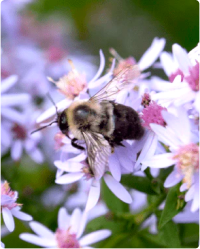
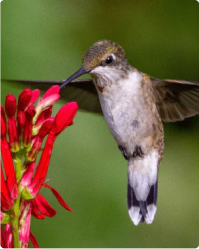
Texas Mountain Laurel pairs lasting garden beauty with real ecological benefit. This slow-growing evergreen shrub or small tree provides crucial support for local biodiversity season after season. The showy early-spring flowers provide important nectar for native bees, early-emerging butterflies, and pollinators, including large bumblebees strong enough to pry open the specialized petals. The dense foliage offers excellent year-round cover, wind protection, and secure nesting sites for native songbirds. Highly resistant to browsing deer once established, it is a resilient, low-maintenance choice that supports local wildlife while remaining a pristine focal point in your yard.
Planting Tips:
-
Location: Plant in full sun to part shade. Requires dry, rocky, limestone-based, or alkaline soils with excellent drainage. It is highly adaptable to poor fertility but will not tolerate prolonged wet or poorly drained conditions.
- Spacing and Design: Because this plant has a notoriously slow growth rate (adding 12 to 24 inches of height per year), we recommend planting multiple specimens 8 to 10 feet apart to establish a beautiful scale and structure over time. To complement them while they mature, fill the spaces between with river rock or a sprawling native groundcover like Silver Pony Foot (Dichondra argentea) keeping 1-2 feet around the base of the plant clear.
- Watering: Water regularly during the first growing season to establish roots. Once established, it tolerates occasional dry spells.
- Maintenance: Minimal care required. If desired, prune in late winter or early spring before new growth begins to shape the shrub and remove any dead or damaged branches.
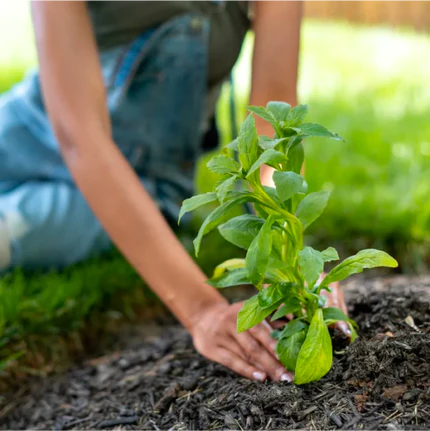
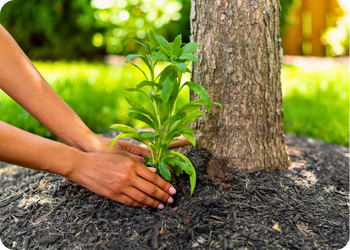
For more information on planting, view our How to Plant Your Native Plants guide and other planting tips in the Garden for Wildlife Learning Center.
Add the beauty and ecological benefits of Texas Mountain Laurel to your garden. This native shrub rewards you with dense, drooping clusters of violet-blue to purple, intensely grape-scented flowers from February through April while providing essential support for pollinators and wildlife.
 Grows to:
  Spread:
  Blooms:
  Light Requirements:
  Soil Moisture:
  Soil Description:
  Attracts:
 Verified Buyer