
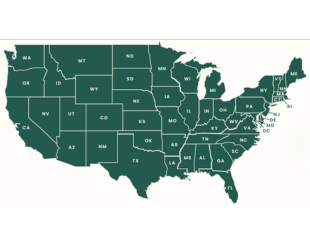
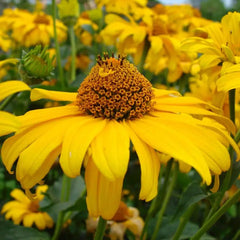





Texas Lantana (Lantana urticoides), also known as Texas Shrub Verbena, Calico Bush, is an iconic Lone Star native that thrives in brutal summer heat, painting Texas landscapes in vivid fiery blooms from spring until the first winter freeze.
Native to the sun-drenched hillsides of the Edwards Plateau and South Texas plains, Texas Lantana bursts with dense clusters of red, orange, and golden-yellow blooms. While commercial, non-native lantanas struggle or turn invasive, this true Texas native laughs at 100°F+ temperatures, rocky limestone, and intense drought—acting as an indispensable nectar engine for native butterflies, bees, and birds.
Key Features:
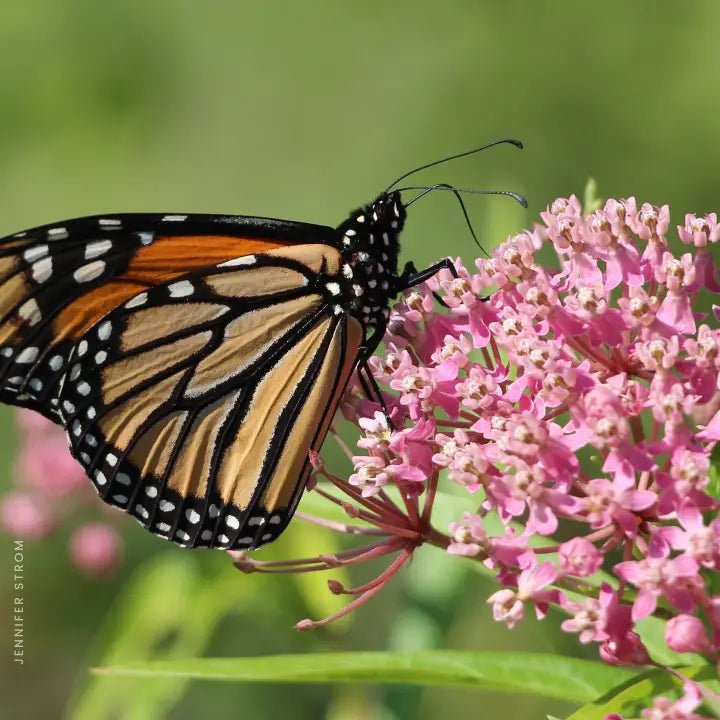
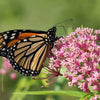
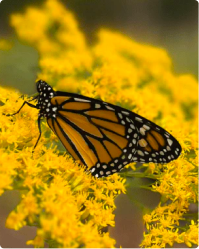
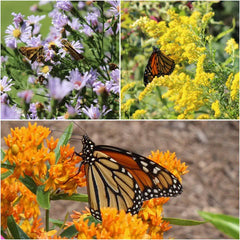
- Monarch Magnet: One of the premier native nectar sources for monarch butterflies during migration and throughout the summer season.
- Fiery Tri-Color Blooms: Dense, verbena-like clusters of bright yellow, orange, and crimson red bloom non-stop from April through the first hard autumn frost.
- Built for Texas Summers: Shrugs off triple-digit heat, scorching sun, poor soils, and long dry spells once established.
- Native, Not Invasive: Unlike the aggressive, non-native Lantana camara, this native species protects local genetics and naturally supports Texas food webs.
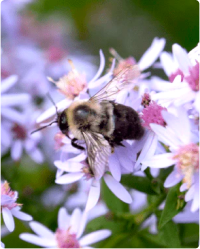
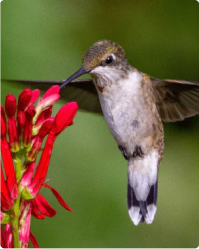
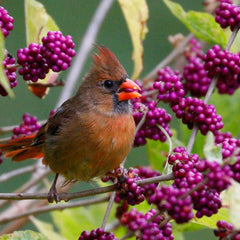
- All-in-One Wildlife Hub: A powerhouse magnet for butterflies, hummingbirds, native bees, and berry-eating birds.
- Deer & Rabbit Resistant: Aromatic, rough-textured foliage deters browsing deer and rabbits.
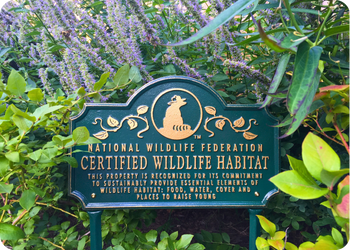
- Eco-Friendly: Grown non-GMO and neonicotinoid-free to ensure a healthy ecosystem for your local wildlife.
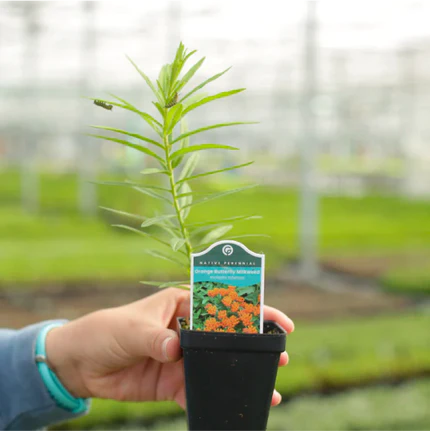
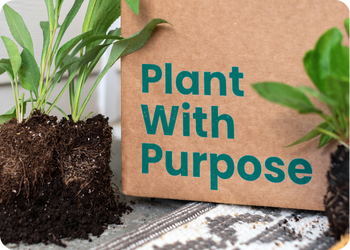
This shrub ships in a one gallon container with established root mass. In the fall, branches will be 12” to 18” tall with leaves. Spring shipments will be dormant with only branches and no leaves and a healthy one gallon root mass.
Why Choose Texas Lantana?
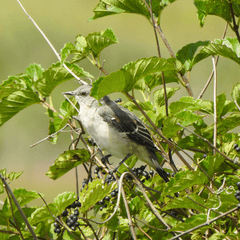
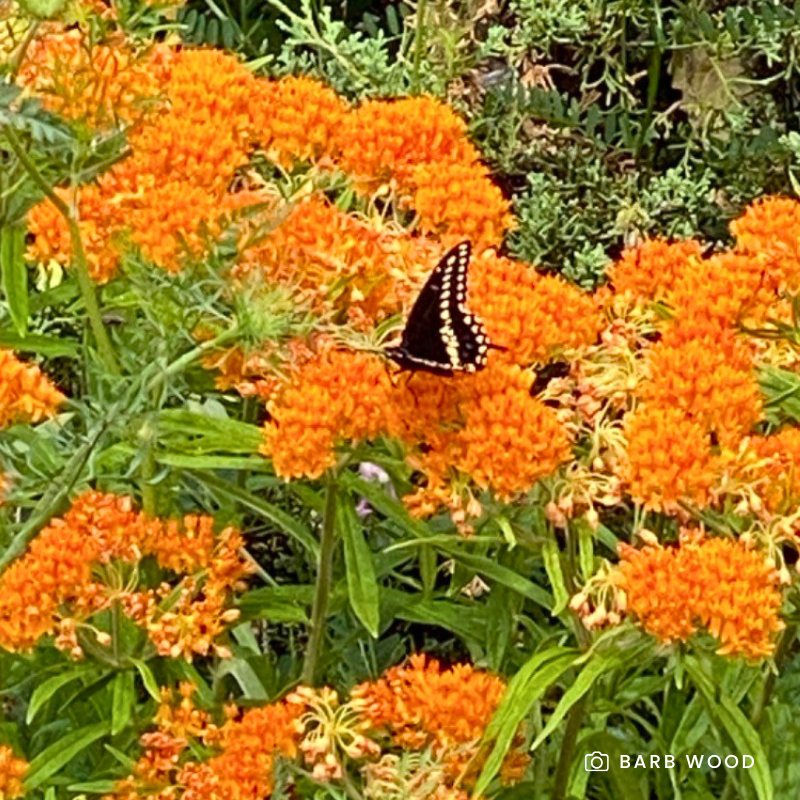
Texas Lantana is a cornerstone plant for wildlife gardeners across the state. Its nectar-rich flower heads are a critical refueling station for migrating Monarchs, Pipevine Swallowtails, and Gulf Fritillaries. In late summer and fall, its blooms yield shiny, dark purple-black berries that provide essential nourishment for Northern Mockingbirds, Towhees, and Threshers. It dies back after a hard winter freeze, only to bounce back bigger and bolder each spring.
Planting Tips:
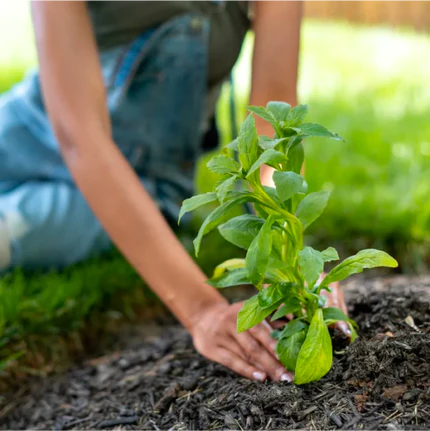
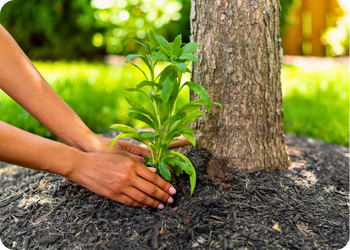
- Location: Plant in full sun (at least 6 hours of direct sunlight is key for maximum flowering). Thrives in well-drained rocky limestone, sandy loam, or heavy Texas clay soils.
- Watering: Water regularly during the first growing season to establish roots. Once established, it tolerates occasional dry spells.
- Maintenance: Minimal care required. If desired, prune in late winter or early spring before new growth begins to shape the shrub and remove any dead or damaged branches.
For more information on planting, view our How to Plant Your Native Plants guide and other planting tips in the Garden for Wildlife Learning Center.
Add the fiery beauty and ecological value of Texas Lantana to your garden—a native shrub that rewards you with dense clusters of orange, yellow, and red flowers from April through the first frost while supporting Texas pollinators and wildlife.
 Grows to:
  Spread:
  Blooms:
  Light Requirements:
  Soil Moisture:
  Soil Description:
  Attracts:
 Verified Buyer