








Silver Sagebrush (Artemisia cana) is a graceful, low-growing evergreen shrub that brings a wispy, ethereal charm to the landscape. Known for its intense silvery-gray foliage and soft, aromatic texture, this versatile sub-shrub offers a refined alternative to more common evergreen hedges. Whether planted as a specimen or in masses to create a shimmering "blue" effect, Silver Sagebrush provides year-round structure and high ecological value.
Key Features:
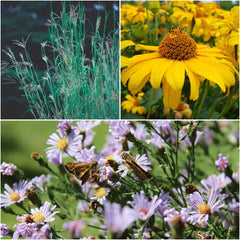
- Stunning Silvery Foliage: Long, narrow, lanceolate leaves are covered in a silvery pubescence, providing a distinct grey-green shimmer throughout the year.
- Aromatic Presence: Like its cousins, this shrub is highly aromatic, releasing a pleasant scent when the foliage is brushed or crushed.
- Unique Texture: Less woody than Big Sagebrush, it possesses a softer, more delicate appearance with twisted older stems and exfoliating bark for winter interest.
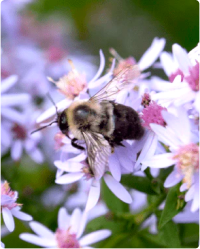
- Wildlife Powerhouse: Serves as an essential winter forage source for wildlife and attracts several species of native bees.
- Resilient and Adaptable: Remarkably tough, it is capable of resprouting after fire and can withstand both periodic flooding and drought conditions.
- Versatile Size: Typically growing 2–5 feet tall, its compact, rounded habit makes it ideal for foothills, meadows, and home landscapes alike.
- Pollinator-Safe: Grown non-GMO and free of harmful neonicotinoids, promoting a healthy ecosystem for pollinators and wildlife.
Available in one-gallon containers.
Why Choose Silver Sagebrush?
Silver Sagebrush is an "easy-going" native perfect for gardeners looking to add soft, cool tones to their space. While its summer flowers are inconspicuous, the plant’s true value lies in its year-round evergreen beauty and its ability to thrive where other plants might struggle with high water tables or poor soils. Historically, it was a staple for Native Americans, used both as fuel and as a remedy for coughs. It is an ideal selection for those wishing to support local biodiversity while maintaining a low-maintenance, drought-tolerant garden.
Planting Tips:
- Location: Must be planted in full sun; this species has very low shade tolerance. Thrives in a wide range of soil textures—including sandy or rocky soils—but does not tolerate clay.
- Watering: While it can handle moist meadows and seasonal flooding, it performs best if allowed to dry out between waterings once established.
- Maintenance: Minimal care is needed, though periodic removal of dead branches will help maintain an actively growing, lush specimen. It tolerates pruning and hedging well, which encourages denser growth.
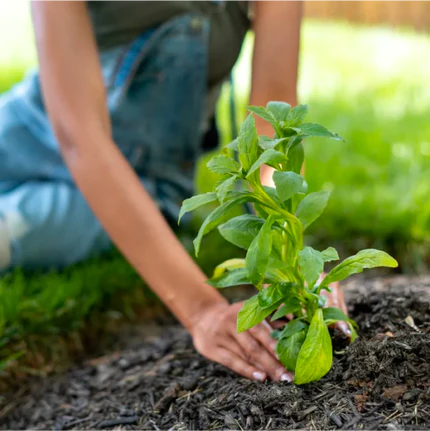
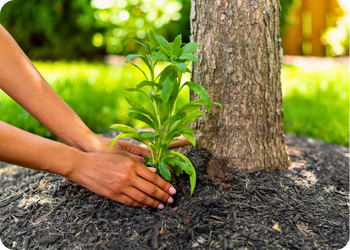
For more information on planting, view our How to Plant Your Native Plants guide and other planting tips in the Garden for Wildlife Learning Center.
 Grows to:
  Spread:
  Blooms:
  Light Requirements:
  Soil Moisture:
  Soil Description:
  Attracts:
 Verified Buyer