






Rubber Rabbitbrush (Ericameria nauseosa), also known as Chamisa or Gray Rabbitbrush, is a versatile, drought-tolerant shrub that provides year-round visual interest in waterwise and pollinator gardens. This medium-sized shrub features erect, flexible branches covered in dense, felt-like matted hairs, giving the narrow, thread-like leaves a striking silvery-green or blue-green hue.
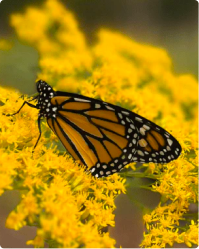
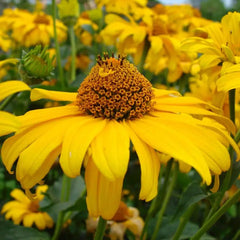
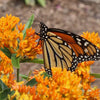
From summer into fall (August to October), when many other plants are fading, Rubber Rabbitbrush bursts into bloom with dense clusters of golden-yellow, tubular flowers. These blooms are a magnet for native insects, including butterflies and small bees, making it one of the few native species in the Intermountain West to provide critical habitat during late summer and fall. The name "Rubber" refers to the plant's sap, while "nauseosa" nods to the pungent scent released when leaves are crushed—described by some as pineapple-like and others as rubbery.
Key Features:
- Late-Season Color: Golden-yellow flower heads bloom from August to October, extending the garden's season.
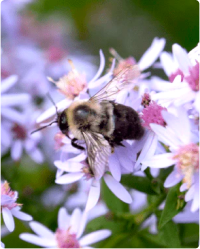
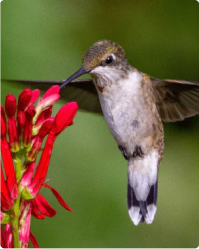
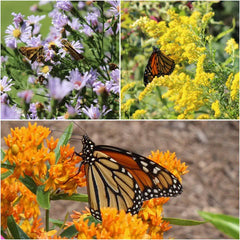
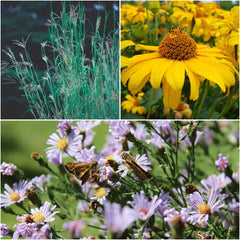
- Pollinator Haven: Attracts a wide array of native insects, butterflies, and small bees when other food sources are scarce.
- Silvery Foliage: Narrow, grayish-green leaves and pale stems add color and texture even when not in bloom.
- Drought Specialist: Thrives in full sun and dry regions, making it ideal for low-maintenance and sustainable landscapes.
- Erosion Control: Excellent for soil stabilization and restoration applications.
- Cultural History: Navajo people historically obtained a yellow dye from the flower heads.
- Pollinator-Safe: Grown non-GMO and free of harmful neonicotinoids, promoting a healthy ecosystem for pollinators and wildlife.
Available in one-gallon containers to establish a resilient, late-blooming shrub in your landscape.
Why Choose Rubber Rabbitbrush?
Rubber Rabbitbrush is a desirable plant for anyone seeking a low-maintenance, sustainable option that bridges the gap between summer and winter. Its ability to thrive in poor, sandy soils and its high drought tolerance make it perfect for xeriscaping and restoration projects. Beyond its utility, the contrast of its vivid yellow flowers against silvery foliage creates a stunning visual display while providing essential resources for pollinators preparing for winter.
Planting Tips:
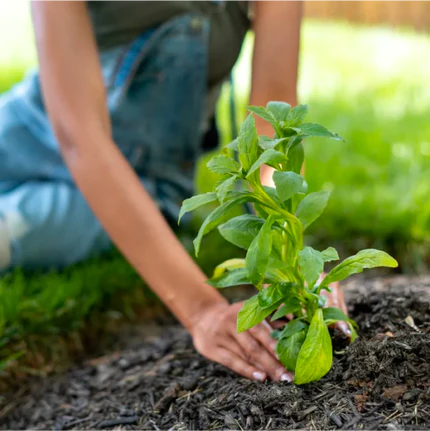
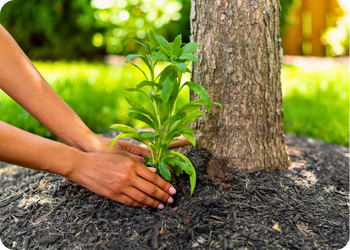
- Location: Likes full sun and sandy, well-draining soil.
- Watering: A low-moisture plant that thrives in dry regions; avoid waterlogged soils.
- Maintenance: Winter pruning shapes the shrub and encourages next year's blooms. It can sprout from the base and reproduce via wind-dispersed seeds.
For more information on planting, view our How to Plant Your Native Plants guide and other planting tips in the Garden for Wildlife Learning Center.
Add Rubber Rabbitbrush to your garden for a splash of late-season gold, aromatic foliage, and a resilient habitat that supports pollinators when they need it most.
 Grows to:
  Spread:
  Blooms:
  Light Requirements:
  Soil Moisture:
  Soil Description:
  Attracts:
 Verified Buyer