






Pink Alumroot (Heuchera rubescens), also widely known as Pink Coral Bells, is a delicate perennial native to the western United States and northern Mexico. Found naturally growing on rocky canyon walls, outcroppings, and in woodland or riparian habitats at high elevations (4,000–12,000 ft.), this plant forms low, neat rosettes of rounded, grape-like leaves.
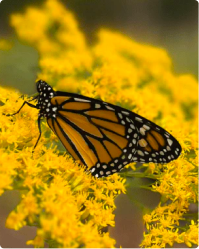
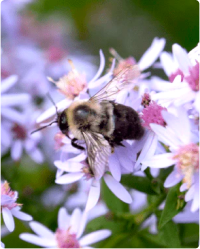
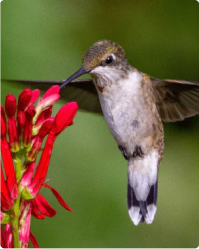
From May to September, the plant sends up slender flowering stalks that can reach up to 2 feet tall, adorned with many small, nodding, bell-shaped flowers. These blooms range from white to pink and serve as a vital nectar and pollen source for native bees, butterflies, and hummingbirds. Whether tucked into a rock garden or planted in a shaded border, Pink Alumroot adds texture and charm to the landscape.
Key Features:
- Pollinator Favorite: The bell-shaped flowers attract native bees, butterflies, and hummingbirds.
- Charming Blooms: Features nodding white to pink flowers on stalks rising 4–12 inches (sometimes up to 2 feet) above the foliage.
- Attractive Foliage: Forms low, neat rosettes of rounded, grape-like leaves, which can sometimes take on a reddish hue.
- Long Bloom Season: Blooms consistently from May through September.
- Habitat Specialist: Naturally thrives in rocky soils, canyon walls, and outcrops, making it perfect for rock gardens.
- Pollinator-Safe: Grown non-GMO and free of harmful neonicotinoids, promoting a healthy ecosystem for pollinators and wildlife.
Available in sets of three, six, or 12 plants to suit any garden size.
Why Choose Pink Alumroot?
Pink Alumroot is an excellent choice for gardeners looking to brighten up shady or rocky corners with native beauty. Its ability to grow in rocky canyon walls makes it uniquely suited for rock gardens and crevices, while its preference for shade makes it a relief for darker garden spots. As a member of the Saxifrage family, distinct for its "Coral Bell" flowers, it provides essential support for pollinators while maintaining a tidy, low-growing habit that works well as a border or accent.
Planting Tips:
- Location: Prefers partial to full shade; specifically requires afternoon shade to thrive in garden settings.
- Soil: Thrives in well-drained sand or loam soils. It prefers rocky soils but can tolerate clay if it is well-drained.
- Watering: Requires regular water to maintain health. There's no need to deadhead the flowers, as allowing them to go to seed provides a valuable food source for birds. Leaving the stems standing in the fall offers overwintering sites for beneficial insects. If desired, cut back the stems in late spring after pollinators have emerged.
For more information on planting, view our How to Plant Your Native Plants guide and other planting tips in the Garden for Wildlife Learning Center.
Add Pink Alumroot to your garden for a touch of woodland elegance that supports hummingbirds and pollinators all summer long.
 Grows to:
  Spread:
  Blooms:
  Light Requirements:
  Soil Moisture:
  Soil Description:
  Attracts:
 Verified Buyer