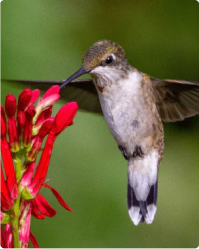
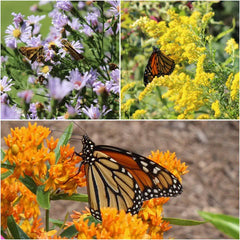
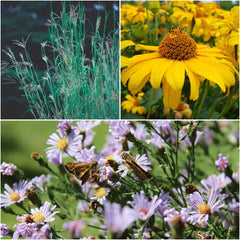









Curated to create a luminous, all-white landscape from late spring through fall, the Moon Collection is designed to support a diverse array of both nocturnal and daytime pollinators. This ethereal trio provides architectural beauty and a "frosted" glow that shines under the moonlight.
Meet the "Moonlight" Plants
- Foxglove Beardtongue (Penstemon digitalis): Produces elegant, upright spikes of tubular white flowers that act as a striking architectural focal point. Serves as a "welcome mat" for hummingbirds and bees with its nectar-rich blooms during the early-to-mid summer months.
- Clustered Mountainmint (Pycnanthemum muticum): Features unique, silvery leaf-like bracts that create a "frosted" look, appearing to glow in low light. Recognized as a 2025 Perennial Plant of the Year, it is a pollinator powerhouse that attracts an incredible diversity of butterflies and beneficial insects.
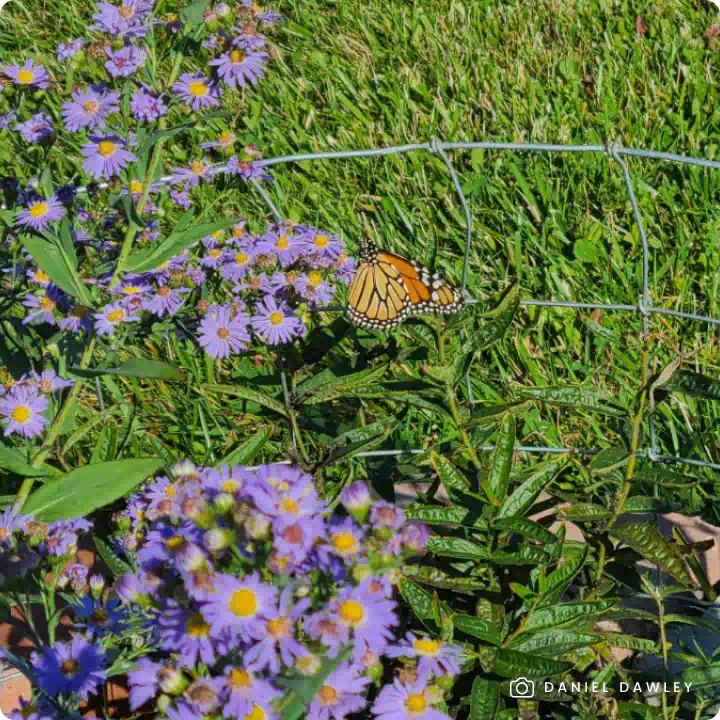
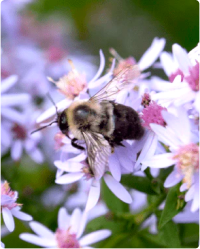
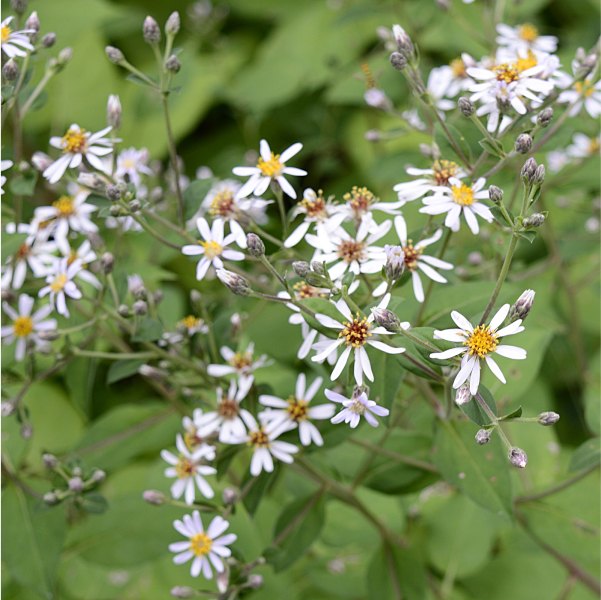
- Bigleaf Aster (Eurybia macrophylla): Features large, heart-shaped basal leaves and clusters of delicate white to pale violet flowers that bloom in late summer and fall. Provides critical late-season nectar for migrating pollinators and produces seeds that offer a vital food source for songbirds.
Why You’ll Love This Luminous Habitat:
- Three-Season Blooms: This collection ensures continuous white color and high ecological value from spring through the first frost.
- Low Maintenance: These native perennials are highly adaptable and require minimal care or supplemental water once established.
- Deer Resistant: Each species in this set is naturally resilient to deer browsing, ensuring your Moon Garden remains vibrant and intact.
- Pollinator-Safe: All plants are grown non-GMO and are 100% neonicotinoid-free, ensuring a safe haven for the wildlife they attract.
Available in collections of nine, 18, or 27 plants to create a thriving lunar habitat.
Planting Tips
- Location: Best suited for gardens (on Earth) with full sun to part shade and well-drained soil.
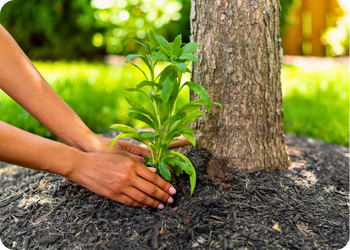
- Watering: Water regularly during the first growing season to help the plants establish deep, healthy root systems.
- Fall/Winter Habitat: Minimal care required. Avoid deadheading in late summer, as the seed heads provide food for other songbirds. Leave the stems and foliage standing through the winter to provide shelter for overwintering beneficial insects.
For more information on planting, view our How to Plant Your Native Plants guide and other planting tips in the Garden for Wildlife Learning Center.
 Grows to:
  Spread:
  Blooms:
  Light Requirements:
  Soil Moisture:
  Soil Description:
  Attracts: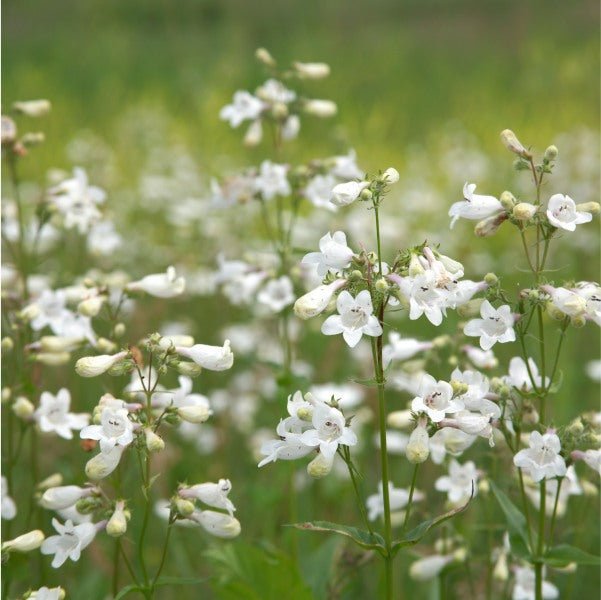

 Verified Buyer