








Don’t let the delicate appearance fool you—Meadow Anemone (Anemone canadensis) is a robust and hardy native perennial that brings effortless beauty to moist landscapes. Also known as Canada Anemone or Windflower, this vigorous groundcover features solitary, cup-shaped white flowers with contrasting golden centers that sway gracefully above lush, deeply lobed foliage. Blooming from late spring through early summer, it creates a spectacular white carpet that brightens sunny and partially shaded areas.
Confident and adaptable, Meadow Anemone spreads by thick rhizomes to form dense colonies, making it an exceptional choice for filling large spaces, naturalizing river margins, or covering ground in hard-to-mow damp areas. Its foliage remains full and attractive long after the flowers have faded, providing lasting texture. While it looks fragile, this plant is unpalatable to deer and rabbits, ensuring your garden remains lush and blooming despite local wildlife.
Key Features:
- Spectacular Spring Blooms: Produces abundant 2-inch white flowers with sunny yellow stamens from April to June.
- Vigorous Groundcover: Spreads confidently via rhizomes to form lush, dense colonies, perfect for suppressing weeds and filling space.
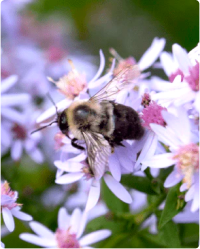
- Pollinator Friendly: A favorite nectar and pollen source for small native bees, including miner and sweat bees, as well as hoverflies.
- Deer & Rabbit Resistant: Contains compounds that make the foliage unpalatable and toxic to browsing mammals.
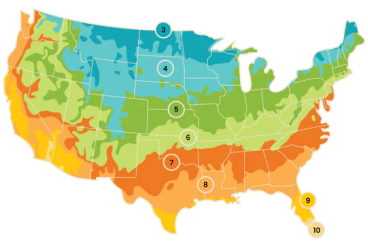
- Adaptable & Hardy: Thrives in average to wet soils and tolerates full sun (in cool climates) to partial shade.
- Pollinator-Safe: Grown non-GMO and free of harmful neonicotinoids, promoting a healthy ecosystem for pollinators and wildlife.
Available in sets of three, six, or 12 plants to suit gardens of any size.
Why Choose Meadow Anemone?
Meadow Anemone is the perfect problem-solver for gardeners looking to fill moist, difficult areas with low-maintenance beauty. Its ability to spread quickly makes it an ideal "living mulch" for rain gardens, ditches, and shoreline buffers. Beyond its utility, it offers high ecological value by supporting small pollinators and resisting deer pressure. If you have a damp, sunny spot where you want a naturalized, wildflower look, this plant is an excellent candidate.
Planting Tips:
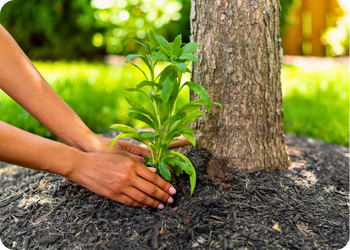
- Location: Prefers moist, humus-rich soil in partial shade. In cooler climates, it tolerates full sun if the soil remains moist. Protect from strong winds to prevent stems from breaking. Give this plant room to roam. It can be aggressive in optimal conditions, so place it where it can spread freely or use barriers to contain it.
- Watering: Water regularly to establish. This plant loves moisture and thrives in wet ditches, flood plains, and low meadows.
- Maintenance: Minimal care required. Foliage remains lush post-bloom. If desired, divide plants in the fall to manage colony size and increase blooms.
For more information on planting, view our How to Plant Your Native Plants guide and other planting tips in the Garden for Wildlife Learning Center.
Safety Note: Wear gloves when handling or dividing the plant, as the fresh sap can cause skin irritation or blistering.
 Grows to:
  Spread:
  Blooms:
  Light Requirements:
  Soil Moisture:
  Soil Description:
  Attracts:

 Verified Buyer