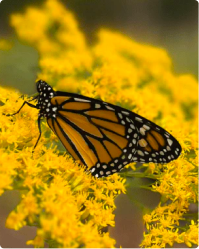
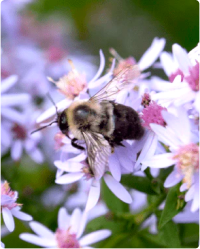
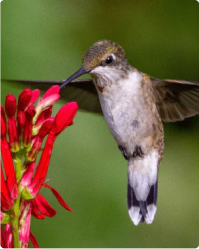
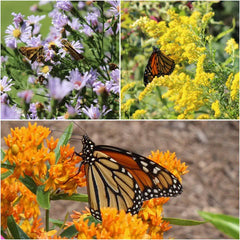
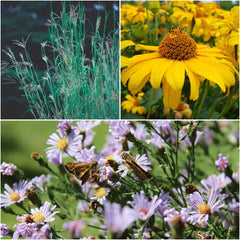


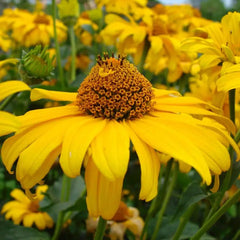





Blast off into a new frontier of gardening with the Martian Munchables Collection. This "intergalactic" set is carefully curated to create a thriving habitat on any planet, featuring "programmable" blooms, glowing red spires, and striking structural forms that look like they were plucked from another world.
Meet the "Alien" Plants
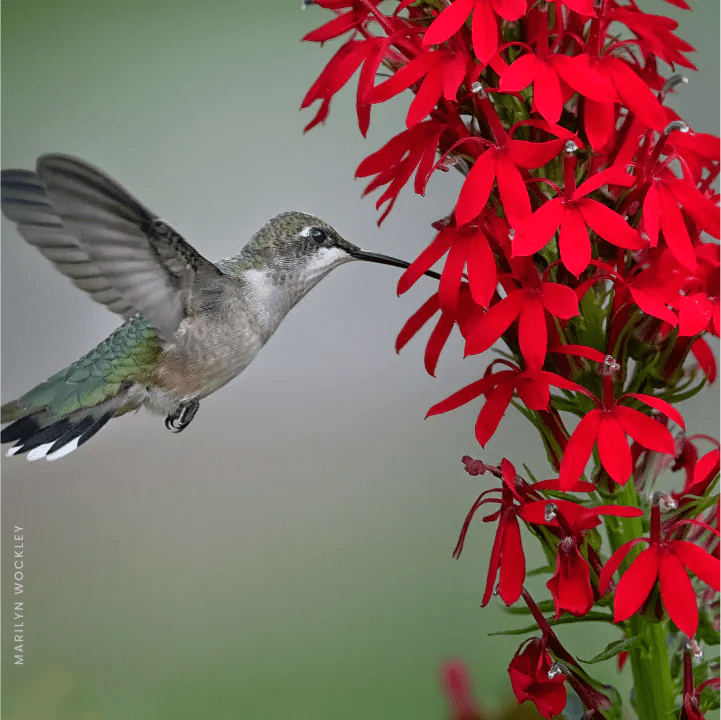
- Cardinal Flower (Lobelia cardinalis) — The Martian Beacon: Produces intense, true-red tubular blooms on tall stalks that stand out like glowing alien spires. These brightly colored flowers serve as a "welcome mat" for hummingbirds and other long-tongued pollinators.
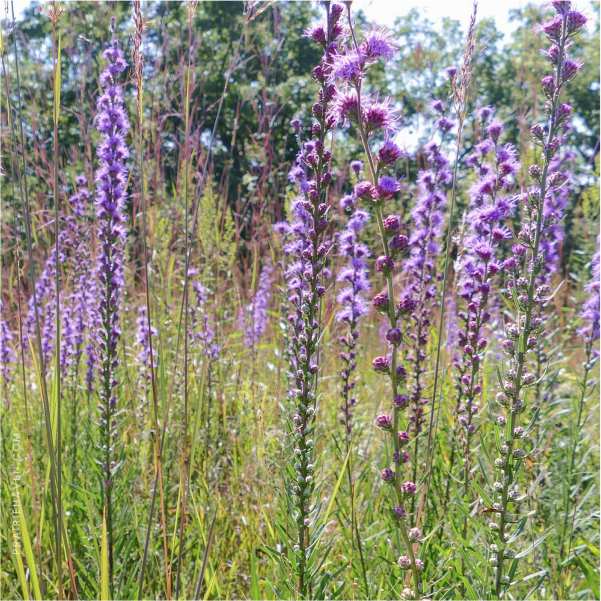
- Rough Blazing Star (Liatris aspera) — The "Alien" Antennae: Features upright, tall spikes with fuzzy, button-like flowers that resemble strange sensors or satellite equipment. Its flowers offer critical nectar for pollinators and produce seeds that birds love.
- Obedient Plant (Physostegia virginiana) — The Programmable Tech: Known for "obedient" flowers that stay in place when moved, growing in precise, geometric rows on tall stems. Provides a high-nectar food source for bees and butterflies throughout the mid-to-late summer.
Why You’ll Love This Intergalactic Habitat
- Space-Age Support: Provides a welcoming environment for pollinators, offering an ideal habitat for mating and sheltering.
- Low-Resource Resilience: Thrives with minimal care and requires less water once established, making it perfect for challenging environments.
- "Space-Deer" Resistant: Naturally stands up to deer browsing, ensuring a lasting presence in your garden.
- Pollinator-Safe: All plants are grown non-GMO and are 100% neonicotinoid-free, ensuring a safe haven for the wildlife they attract.
Available in collections of nine, 18, or 27 plants to create a thriving Martian habitat.
Planting Tips
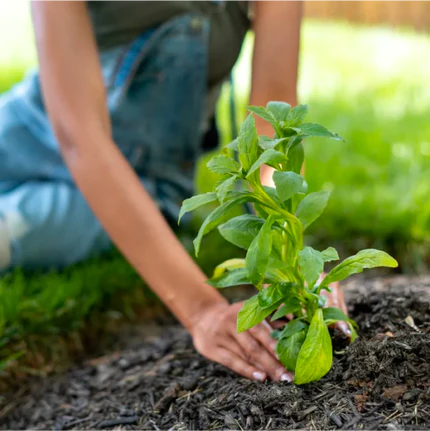
- Location: Plant in full sun to part shade (on Earth) to accommodate the varied lighting of the solar system.
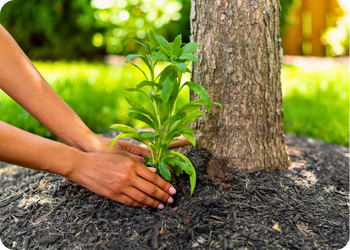
- Watering: Water regularly during the first growing season to help the plants establish deep, "planetary" roots.
- Maintenance: Minimal care required. Avoid deadheading in late summer, as the seed heads provide food for other songbirds. Leave the stems and foliage standing through the winter to provide shelter for overwintering beneficial insects.
For more information on planting, view our How to Plant Your Native Plants guide and other planting tips in the Garden for Wildlife Learning Center.
 Grows to:
  Spread:
  Blooms:
  Light Requirements:
  Soil Moisture:
  Soil Description:
  Attracts: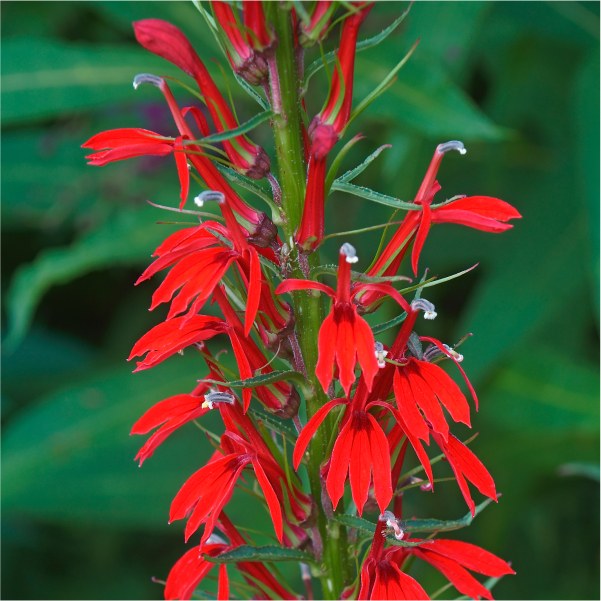

 Verified Buyer