

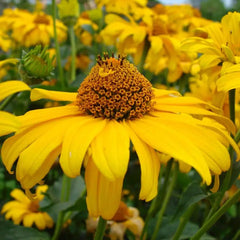





Bring the vibrant energy of a summer celebration to your garden with Indian Blanket (Gaillardia pulchella), also known as Firewheel. This popular annual features showy, pinwheel-like flower heads with reddish-brown centers and rays that are red at the base and tipped with yellow. Resembling the bold colors utilized by Native Americans in weaving blankets, these "beautiful" (pulchella) wildflowers stand atop slender, branched stems and can literally "blanket" the ground in color.
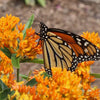
A major wildflower of prairies, meadows, and roadsides, Indian Blanket is incredibly resilient. It thrives in heat, dryness, and even salt, making it a common sight on barrier islands and sandy beach walkways. It is an ecological asset as well: the nectar-rich blooms attract butterflies from summer to fall, and if the seed heads are left over winter, they provide a valuable food source for songbirds. Easy to grow and eager to reseed, this plant is perfect for adding effortless, warm colors to your landscape.
Key Features:
- Vibrant Bicolored Blooms: Showy 1-2 inch flowers feature red centers with yellow-tipped rays, looking like hundreds of "Fourth of July pinwheels."
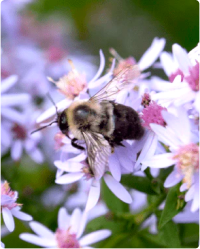
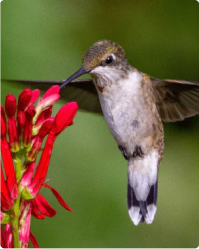
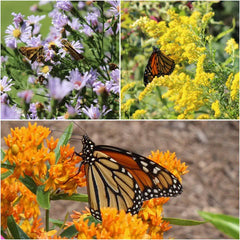
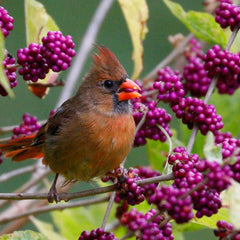
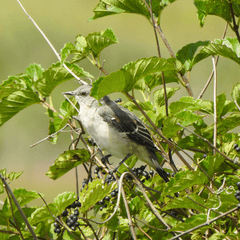
- Pollinator & Bird Friendly: Nectar attracts butterflies, while seed heads left standing in winter are enjoyed by songbirds.
- Tough & Resilient: Highly drought, heat, and salt tolerant; thrives in sandy soils and poor, dry conditions.
- Versatile Growth: Grows 1-1.5 feet tall and wide; acts as an annual in most regions but can be a short-lived perennial in warm, coastal areas.
- Long Bloom Season: Adds brightness to the landscape from summer to fall
- Easy to Naturalize: Reseeds readily in optimum growing conditions, returning year after year to fill meadows and borders.
- Pollinator-Safe: Grown non-GMO and free of harmful neonicotinoids, promoting a healthy ecosystem for pollinators and wildlife.
Available in sets of three, six, or 12 plants to create a pollinator-friendly habitat in your garden.
Why Choose Indian Blanket?
Indian Blanket is the ideal choice for gardeners seeking high-impact color with minimal effort. Its ability to tolerate poor, dry soils and intense heat makes it perfect for "trouble spots" in the garden, rock gardens, or seaside landscapes where other plants struggle. Whether used in mass plantings, containers, or tucked into a cottage garden, this plant delivers a long season of cheer while supporting local wildlife.
Planting Tips:
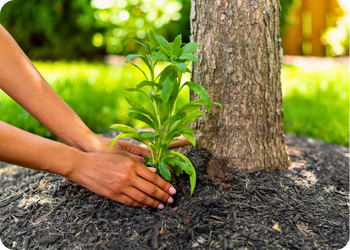
- Location: Prefers full sun but tolerates light shade. It loves heat and thrives in sandy or well-drained areas. Good drainage is the only strict requirement. Avoid rich soils, as they can produce large, floppy plants with few flowers. Space plants 12 inches apart.
- Watering: Tolerates dry summer heat. Supplemental summer watering can help prolong the bloom period.
- Maintenance: Minimal care required. There's no need to deadhead the flowers, as allowing them to go to seed provides a valuable food source for birds. Leaving the stems standing in the fall offers overwintering sites for beneficial insects. If desired, cut back the stems in late spring after pollinators have emerged.
For more information on planting, view our How to Plant Your Native Plants guide and other planting tips in the Garden for Wildlife Learning Center.
 Grows to:
  Spread:
  Blooms:
  Light Requirements:
  Soil Moisture:
  Soil Description:
  Attracts:
 Verified Buyer