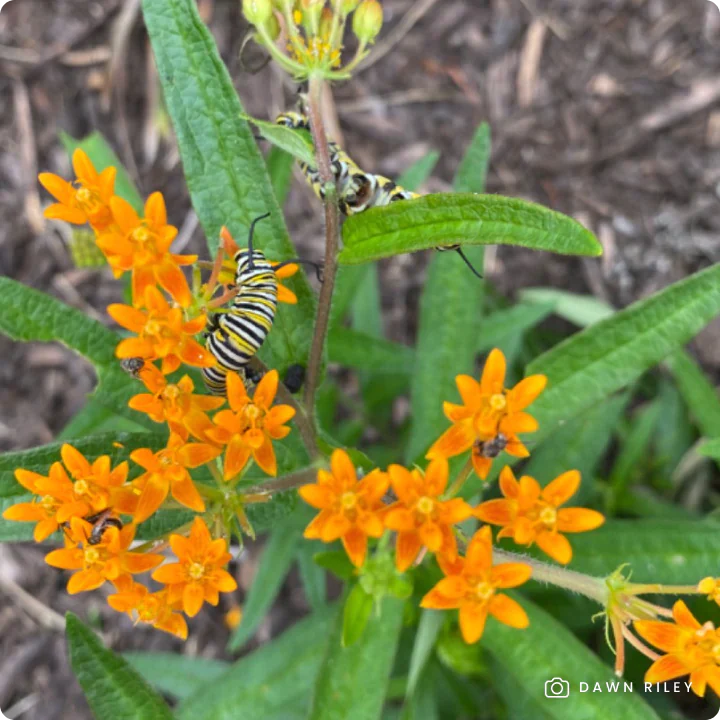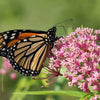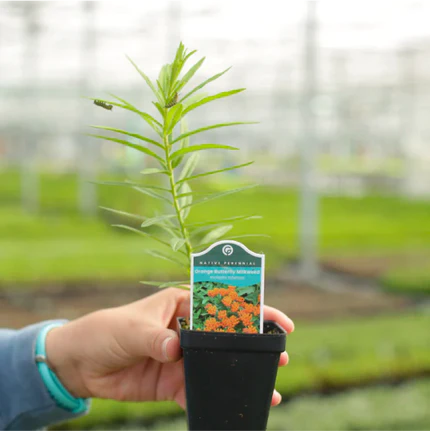









Add unique texture, sweet fragrance, and vital butterfly support to your landscape with Horsetail Milkweed (Asclepias subverticillata). Also known as Western Whorled Milkweed or Bedstraw Milkweed, this distinctive perennial is prized for its feathery clumps of very narrow, whorled leaves and rounded umbels of creamy, star-shaped flowers.
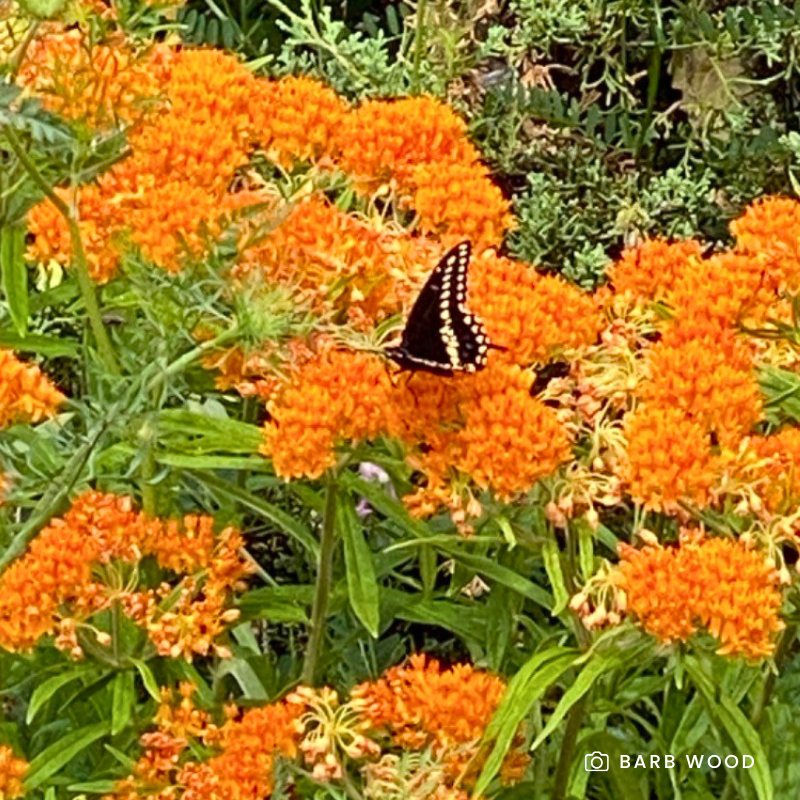
Blooming from June through September, the flowers release a sweet fragrance that wafts through the garden, drawing in a variety of pollinators. Unlike its broad-leaved cousins, Horsetail Milkweed offers a fine, delicate texture, with stems reaching up to 4 feet tall. It is a critical host plant for both Monarch and Queen butterfly larvae and a nectar haven for Swallowtails, Skippers, and Fritillaries. Extremely adaptable, it thrives in environments ranging from sandy flats to rocky slopes and tolerates conditions from standing water to drought once established.
Key Features:
- Unique Feathery Foliage: Features narrow, whorled leaves that create a soft, textured appearance in the garden.
- Fragrant Blooms: Clusters of creamy-white, star-like flowers bloom all summer (June–September), releasing a sweet scent.
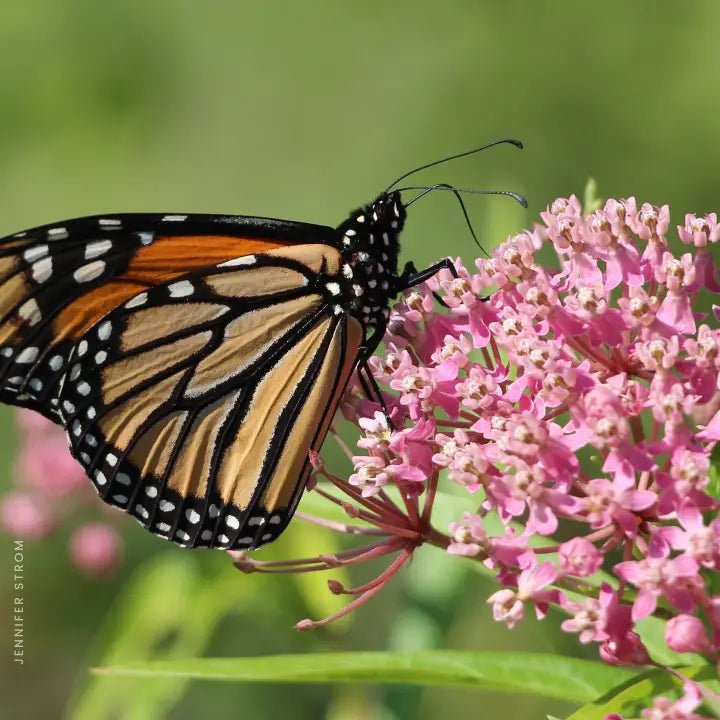
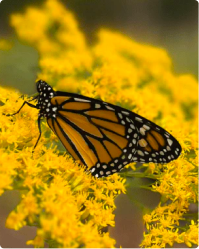
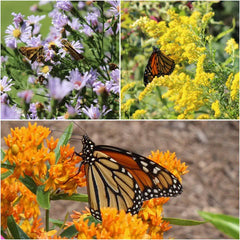
- Dual Host Plant: Serves as a larval host plant for both Monarch and Queen butterflies.
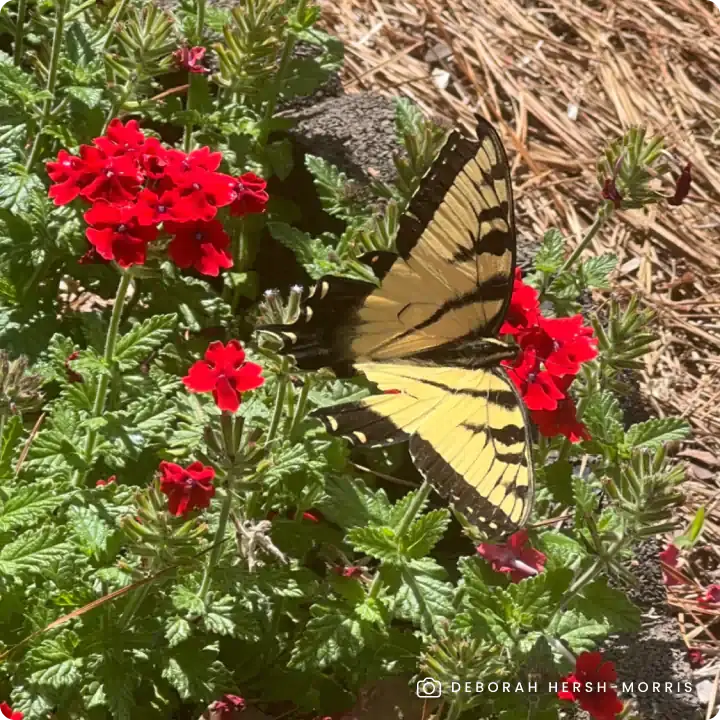
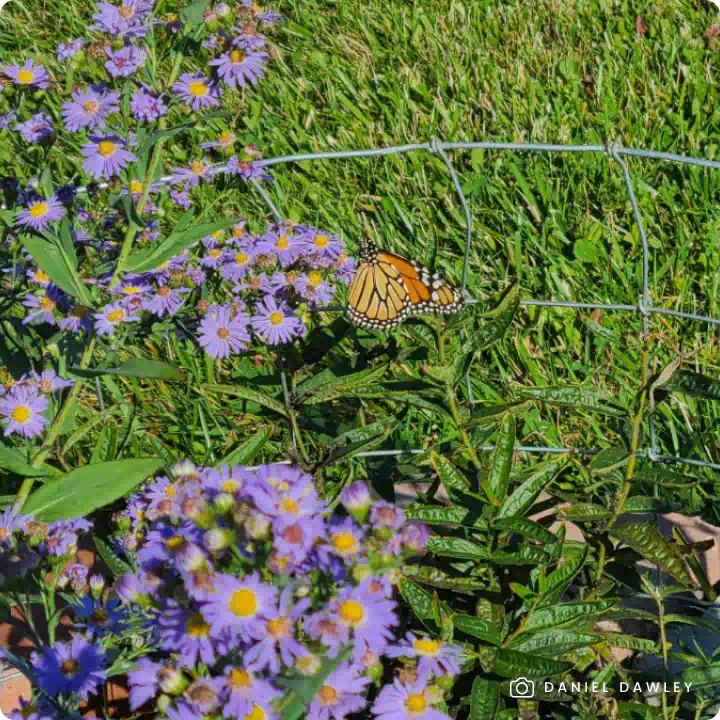
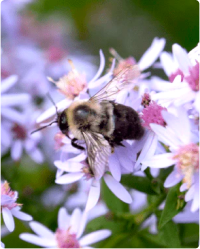
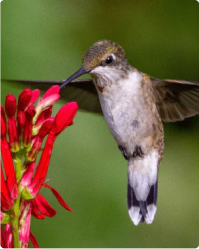
- Pollinator Magnet: A nectar source for Swallowtails, Fritillaries, Skippers, bees, and other beneficial insects.
- Highly Adaptable: Thrives in a wide range of moisture levels, from wet (tolerating standing water) to dry (drought tolerant once established).
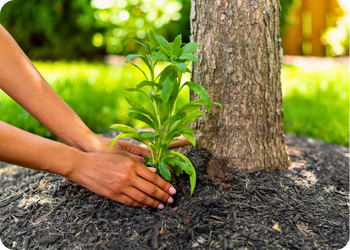
- Easy to Grow: Fibrous root system allows for easy transplanting and success in sandy, rocky, or disturbed soils.
- Pollinator-Safe: Grown non-GMO and free of harmful neonicotinoids, promoting a healthy ecosystem for pollinators and wildlife.
Available in sets of three, six, or 12 plants to create a pollinator-friendly habitat in your garden.
Why Choose Horsetail Milkweed?
Horsetail Milkweed is one of the easiest milkweeds to grow and one of the most visually distinct. Its fine, needle-like foliage provides a beautiful contrast to broader-leaved garden plants, while its "subverticillata" (almost whorled) leaf arrangement adds structural interest. Whether you have a challenging spot with sandy soil, a rain garden that sees fluctuating moisture, or a dry roadside strip, this plant adapts effortlessly while ensuring your garden remains a sanctuary for monarchs and queens.
Planting Tips:
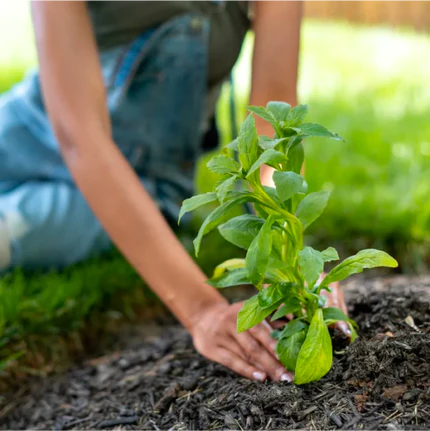
- Location: Prefers partial to full sun. Thrives in disturbed habitats, grasslands, and rocky or sandy flats. Highly adaptable; grows well in sandy, rocky, or clay soils.
- Watering: Tolerates wet conditions and standing water but is also drought tolerant once established.
- Maintenance: Minimal care required. Its fibrous root system makes it robust and easy to establish.
For more information on planting, view our How to Plant Your Native Plants guide and other planting tips in the Garden for Wildlife Learning Center.
 Grows to:
  Spread:
  Blooms:
  Light Requirements:
  Soil Moisture:
  Soil Description:
  Attracts:
 Verified Buyer