
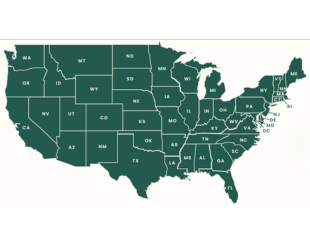





Golden Currant (Ribes aureum) is a versatile, deciduous shrub prized for its spicy fragrance, edible fruit, and exceptional wildlife value. Native to the West but widely adaptable, this shrub grows 3–10 feet tall, featuring light-green, three-lobed leaves and long, wand-like stems.
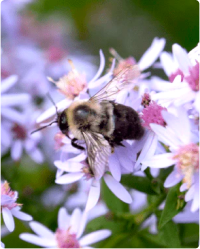
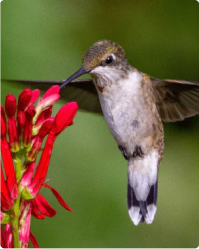
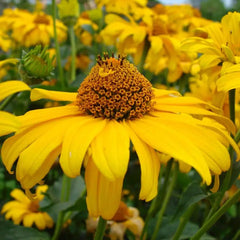
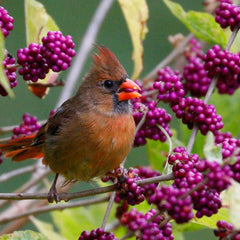
In early spring, the plant is decorated with drooping clusters (racemes) of golden-yellow, trumpet-shaped flowers that smell like cloves and turn orange with age. These fragrant blooms are a magnet for hummingbirds, butterflies, and bees. Following the flowers, the shrub produces edible berries—ranging from orange to red or dark purple—that are delicious in pies and preserves, and highly sought after by birds, squirrels, and chipmunks.
Key Features:
- Clove-Scented Blooms: Clusters of spicy-scented, trumpet-shaped yellow flowers bloom in early spring, turning orange as they age.
- Edible Fruit: Produces orange, red, or black berries that are valued for baking and preserves.
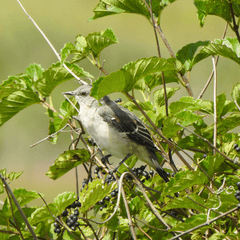
- Wildlife Powerhouse: Provides nectar for hummingbirds and pollinators, while fruit feeds birds, bears, and small mammals.
- Highly Adaptable: Thrives in a wide range of soils, including clay, poor soil, dry areas, and seasonally flooded sites.
- Colony Forming: Spreads by suckers to form colonies, making it excellent for hedging, groundcover, and revegetation.
- Pollinator-Safe: Grown non-GMO and free of harmful neonicotinoids, promoting a healthy ecosystem for pollinators and wildlife.
Available in one-gallon containers to establish a fragrant, fruit-bearing shrub in your landscape.
Why Choose Golden Currant?
Golden Currant is an "easy-to-grow" native that offers four seasons of interest and utility. It is extremely adaptable, thriving in moisture regimes ranging from moderately dry to consistently moist. Whether you are planting it under oaks, using it for erosion control, or growing it for its delicious berries, this shrub requires no special care once established. Its clove-like fragrance and vibrant spring blooms make it a sensory delight, while its ability to form dense thickets provides excellent cover for wildlife.
Planting Tips:
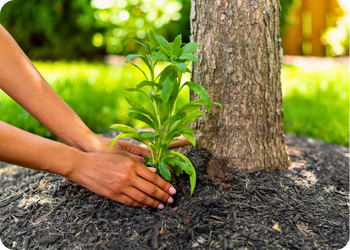
- Location: Prefers full sun on the coast but appreciates part shade in inland, hot-summer climates. It grows well under oaks and in mixed chaparral.
- Soil: Tolerates a wide range of soils, from poor and dry to seasonally flooded, but performs best in organically rich, well-drained soil.
- Watering: Prefers consistent and even moisture for best fruit production and fall color, but is drought-tolerant once established. Avoid overhead watering.
- Maintenance: Apply a good organic mulch to the root zone to retain moisture. The plant spreads readily by suckers, so give it room to naturalize or manage it to maintain a specific form.
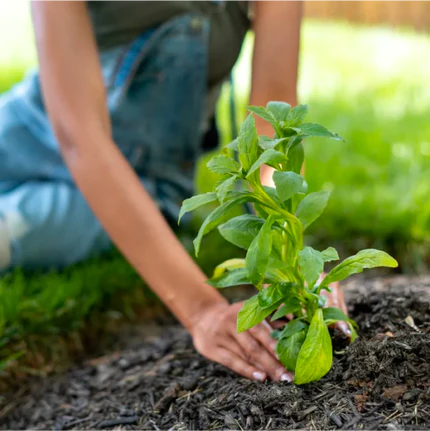
For more information on planting, view our How to Plant Your Native Plants guide and other planting tips in the Garden for Wildlife Learning Center.
Add Golden Currant to your garden for a sensory experience of spicy scents and sweet berries, all while supporting a diverse array of local wildlife.
 Grows to:
  Spread:
  Blooms:
  Light Requirements:
  Soil Moisture:
  Soil Description:
  Attracts:
 Verified Buyer