








Fringed Sage (Artemisia frigida), also known as Prairie Sagewort or Mountain Sage, is a versatile, mat-forming sub-shrub prized for its soft, feathery texture and silver-white foliage. This low-spreading Western native acts as a beautiful xeric groundcover, forming aromatic tufts that emit a pleasant camphor scent. With its fine-textured, hair-like leaves and extreme drought tolerance, it is a "must-have" for gardeners looking to add a delicate, silvery shimmer to dry landscapes or rock gardens.
Key Features:
- Velvety Silver Foliage: Features deeply divided, woolly, gray-green leaves that are almost hair-like in texture, providing a soft, frosted look year-round.
- Compact Groundcover: Typically grows 9–18 inches tall, arising from a woody base to form dense, spreading mats that stabilize soil and suppress weeds.
- Ecological Hero: An essential winter feed for big game like Elk, Pronghorn, and Mule Deer, while also supporting sage-grouse and various beneficial insects.
- Unique Host Plant: Acts as an excellent host for Indian Paintbrush (Castilleja), providing the necessary root connections for the wildflower to thrive.
- Semi-Evergreen Resilience: Retains its striking foliage through the winter in mild climates, offering consistent structure and interest.
- Aromatic & Edible: The foliage is highly aromatic and is utilized as an edible herb with a pleasant herbal scent.
- Pollinator-Safe: Grown non-GMO and free of harmful neonicotinoids, promoting a healthy ecosystem for pollinators and wildlife.
Available in one-gallon containers.
Why Choose Fringed Sage?
Fringed Sage is a "pioneer" species, meaning it is incredibly tough and resistant to heavy animal impact and harsh environmental conditions. Named after Artemis, the Greek goddess of wild animals, it lives up to its name by creating a thriving habitat for both small and large game. It is the perfect choice for xeriscaping, especially when mixed with native prairie grasses or colorful perennials. Its ability to grow on thin, poor soils makes it a functional solution for stabilizing disturbed sites or sloped areas.
Planting Tips:
- Location: Best grown in full sun to ensure the silver-white foliage stays vibrant and the plant maintains a bushy habit. Requires poor to moderately fertile, dry, well-drained soils. Excellent drainage is essential to prevent root rot. Avoid moist or heavy soils.
- Watering: Highly drought-tolerant once established. It develops a deep taproot in dry soils, making it exceptionally resilient during water shortages.
- Maintenance: Prune in spring to encourage bushy growth, but be careful to leave live buds on each stem; never prune all the way to the ground. You may lightly shear the foliage in summer for a neater look, but avoid any pruning in the fall.
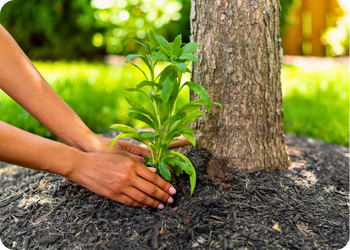
For more information on planting, view our How to Plant Your Native Plants guide and other planting tips in the Garden for Wildlife Learning Center.
 Grows to:
  Spread:
  Blooms:
  Light Requirements:
  Soil Moisture:
  Soil Description:
  Attracts:
 Verified Buyer