









Fragrant Sumac (Rhus aromatica), also known as Lemon Sumac, Aromatic Sumac, Polecat Bush, is a four-season workhorse native shrub that pairs citrus-scented foliage and fiery autumn color with incredible erosion-control power.
Fragrant Sumac is one of the most versatile and rewarding native shrubs of eastern and central North America. Opening with soft yellow flower catkins in early spring, it ripens clusters of fuzzy red berries in summer before closing the year with brilliant orange, scarlet, and deep purple fall foliage. Its glossy three-lobed leaves release a refreshing citrus-spicy scent when crushed, while its dense, spreading habit forms a resilient, wildlife-rich thicket that stabilizes tough slopes and dry banks with ease.
Key Features:
- Spectacular Fall Color: Leaves transform into blazing shades of orange, red, and deep burgundy in fall—easily outshining invasive ornamentals like Burning Bush.
- Aromatic Citrus Foliage: Glossy, clover-like leaves release a pleasant lemon-spicy aroma whenever brushed or crushed.
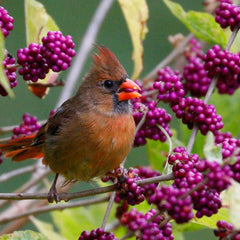
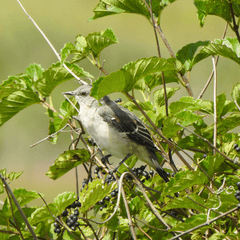
- Year-Round Habitat Value: Early spring flowers feed emerging bees, summer foliage hosts caterpillars, and fuzzy red berries provide critical emergency winter food for songbirds.
- Remarkably Site-Tolerant: Highly adaptable to dry rocky slopes, sandy banks, and heavy clay soils in both full sun and dappled shade — one of the most adaptable native shrubs in eastern North America.
- Natural Erosion Control: Spreads reliably via underground rhizomes to anchor loose soil, control erosion, and cover difficult dry slopes or rocky banks.
- Eco-Friendly: Grown non-GMO and neonicotinoid-free to ensure a healthy ecosystem for your local wildlife.
This shrub ships in a one gallon container with established root mass.
Why Choose Fragrant Sumac?
Fragrant Sumac is a powerhouse plant for restoring native ecosystems and supporting wildlife food webs. Its early spring blooms offer vital nectar to emerging mining bees and sweat bees, while its foliage serves as a crucial caterpillar host for Red-banded Hairstreaks, Banded Hairstreaks, and Luna Moths. In late summer and winter, its persistent, velvet-red berry clusters feed over 30 species of birds, including bluebirds, chickadees, robins, and grouse.
Planting Tips:
- Location: Plant in full sun to part shade in dry to medium, well-drained rocky, sandy, or clay soils. Extremely tolerant of poor fertility and steep slopes, but requires good drainage—avoid low, soggy spots.
- Watering: Water regularly during its first season to establish a deep, spreading root system. Once established, it is exceptionally drought-tolerant and thrives on natural rainfall.
- Maintenance: Minimal care required. If desired, prune in late winter or early spring before new growth begins to shape the shrub and remove any dead or damaged branches.
For more information on planting, view our How to Plant Your Native Plants guide and other planting tips in the Garden for Wildlife Learning Center.
Add the beauty and ecological benefits of Fragrant Sumac to your garden — a native shrub that rewards you with small, fragrant yellow flower clusters in early spring (March–May) before or just as leaves emerge while supporting pollinators and wildlife.
 Grows to:
  Spread:
  Blooms:
  Light Requirements:
  Soil Moisture:
  Soil Description:
  Attracts:
 Verified Buyer