

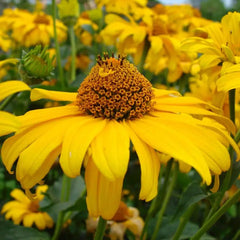





Desert Marigold (Baileya multiradiata) is a sun-loving wildflower native to the desert southwest, prized for its ability to turn arid landscapes into impressive mounds of solid yellow. This mound-shaped biennial or short-lived perennial features woolly, silver-gray foliage that provides a striking contrast to its bright, daisy-like blooms.
Ideally suited for extreme heat and poor soils, Desert Marigold grows into a perfect hemisphere of color, with long-lasting flowers rising on nearly leafless stems. Whether planted along roadsides or in a rock garden, this resilient plant blooms sporadically throughout the hot summer and into fall, bringing "Mary's Gold" to the driest corners of your landscape.
Key Features:
- Vibrant Yellow Blooms: Bright, daisy-like flowers form dense mounds of color, turning papery as they age.
- Woolly Silver Foliage: Soft, gray-green, woolly leaves provide texture and help the plant withstand intense desert sun.
- Long Bloom Period: Blooms naturally lose their ray florets early, leaving a nodding stalk that persists from summer into fall.
- Heat & Drought Specialist: Thrives in extreme heat, poor soil, and dry conditions where other plants fail.
- Self-Sowing: A well-behaved plant that readily reseeds itself in favorable conditions, often forming solid strips of yellow.
- Pollinator-Safe: Grown non-GMO and free of harmful neonicotinoids, promoting a healthy ecosystem for pollinators and wildlife.
Available in sets of three, six, or 12 plants to suit any garden size.
Why Choose Desert Marigold?
Desert Marigold is the ultimate choice for low-maintenance, water-wise gardening. Its ability to form a perfect mound of yellow blooms makes it a stunning focal point in xeriscapes and rock gardens. It is incredibly tough, thriving in conditions that would cause crown rot in other species, and its self-sowing nature ensures that your garden remains colorful year after year.
Planting Tips:
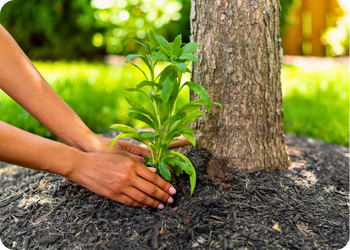
- Location: Requires full sun and fast drainage. It thrives in poor, dry soils and prefers a surface of rocks rather than organic mulch.
- Watering: Water sparingly. This plant is subject to crown rot if the soil is too wet, so avoid overwatering.
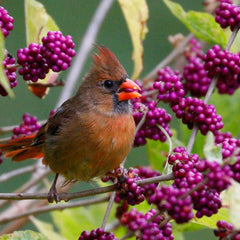
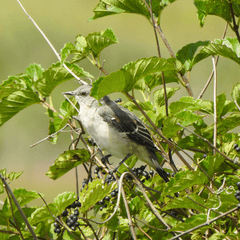
- Maintenance: Do not use fertilizer or organic mulch. Allow the plant to go to seed to encourage the growth of seedling rosettes, which require a period of cold dormancy to set buds for the following season. There's no need to deadhead the flowers, as allowing them to go to seed provides a valuable food source for birds. Leaving the stems standing in the fall offers overwintering sites for beneficial insects. If desired, cut back the stems in late spring after pollinators have emerged.
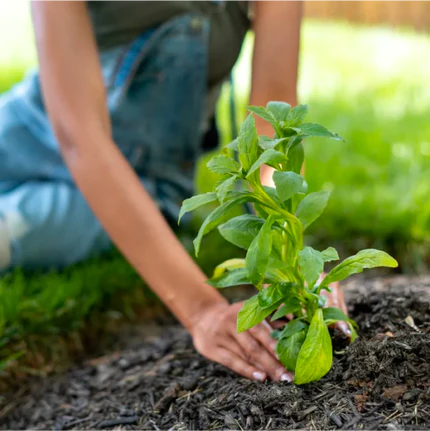
For more information on planting, view our How to Plant Your Native Plants guide and other planting tips in the Garden for Wildlife Learning Center.
Add the sunny resilience of Desert Marigold to your garden for a heat-tolerant display that shines even in the toughest conditions.
 Grows to:
  Spread:
  Blooms:
  Light Requirements:
  Soil Moisture:
  Soil Description:
  Attracts:
 Verified Buyer