


Desert Globemallow (Sphaeralcea ambigua), also known as Apricot Mallow, is a striking perennial shrub that brings a spectacular burst of color to arid landscapes. Native to creosote bush scrub and desert chaparral habitats across the Southwest, this shrubby, woolly plant grows 3-5 feet tall. It features fuzzy, whitish-green leaves with rounded, scalloped edges and weak, wide-ranging stems that give it a loose, informal habit.
One of the most drought-tolerant and largest-flowered species of Globe-mallow, it produces numerous large, bowl-shaped flowers in shades of apricot-orange to pink. Arranged in wand-like clusters near the stem tips, these blooms create stunning displays, especially in wet years. It is an ecological powerhouse for desert gardens, providing a steady source of pollen and nectar for honey bees, butterflies, and other insects throughout the year.
Key Features:
- Spectacular Blooms: Features large, bowl-shaped flowers in apricot-orange to pink (or sometimes lavender) that form wand-like clusters.
- Drought Specialist: The most xeriphytic (drought-adapted) of the Southwest Sphaeralceas, thriving in low, hot deserts.
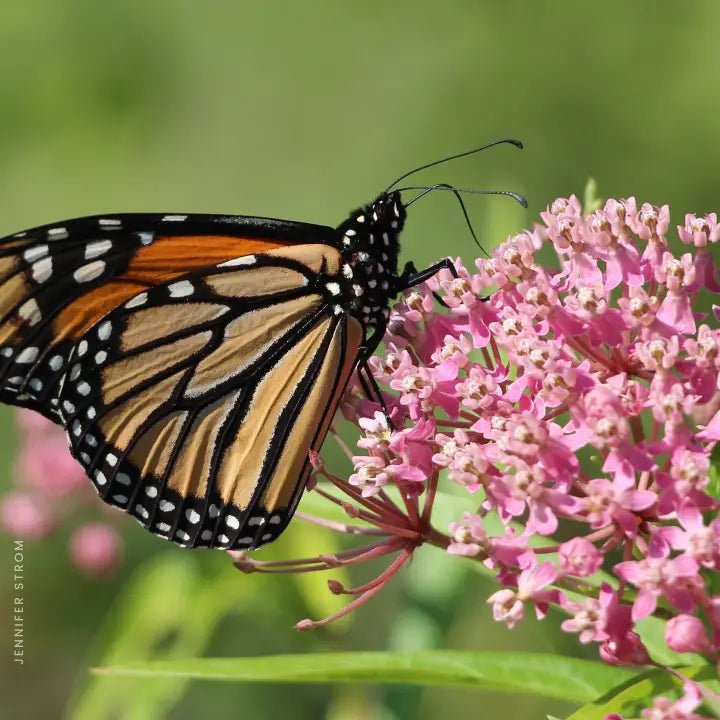
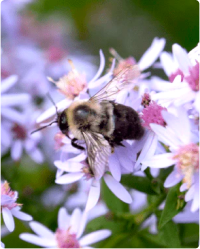
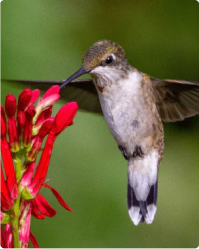
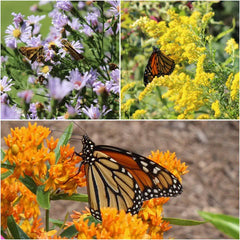
- Pollinator Magnet: An excellent butterfly plant that provides a steady source of nectar and pollen for bees over a long blooming period.
- Woolly Foliage: Grayish, fuzzy leaves with three lobes and scalloped edges help the plant withstand intense heat.
- Adaptable & Tough: Throws deep roots in sandy or clay alkaline soils and thrives in harsh desert conditions.
- Pollinator-Safe: Grown non-GMO and free of harmful neonicotinoids, promoting a healthy ecosystem for pollinators and wildlife.
Available in one-gallon containers to add vibrant, drought-hardy color to your landscape.
Why Choose Desert Globemallow?
Desert Globemallow is a top choice for anyone looking to create a vibrant, water-wise garden in a hot climate. It puts on a "stunning display" in full bloom and is tough enough to thrive in alkaline clay or sandy soils where other plants struggle. Although it is relatively short-lived, it usually self-seeds, ensuring that its apricot blooms remain a fixture in your garden for years to come. Whether used in a desert landscape or a pollinator garden, this plant delivers high-impact color with minimal water.
Planting Tips:
- Location: Thrives in full sun in creosote bush scrub and desert chaparral conditions.
- Soil: Grows well in both sandy and clay alkaline soils.
- Watering: Highly drought-tolerant once established but performs best with some moisture during the blooming season.
- Maintenance: Can be cut back in the fall to maintain a compact shape and encourage fresh growth. Allow it to self-seed to replace older plants over time.
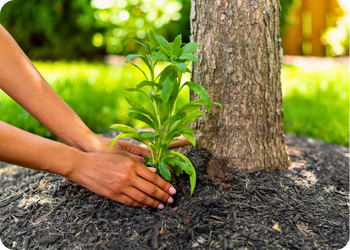
For more information on planting, view our How to Plant Your Native Plants guide and other planting tips in the Garden for Wildlife Learning Center.
Add the warmth of Desert Globemallow to your garden for a resilient, pollinator-friendly display that glows with apricot color even in the driest heat.
 Grows to:
  Spread:
  Blooms:
  Light Requirements:
  Soil Moisture:
  Soil Description:
  Attracts:
 Verified Buyer