







Desert Beardtongue (Penstemon pseudospectabilis), also known as Rosy Desert Penstemon or Mohave Beardtongue, is a showy, bushy perennial that brings shocking pink color to water-thrifty gardens. Native to the Mojave Desert and sandy washes of the southwest, this shrub-like plant grows 2–3 feet tall, producing many erect stems topped with wands of vivid purple-magenta trumpets.
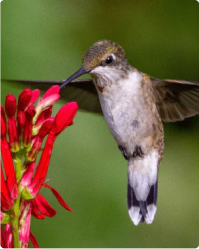
A true standout in the garden, Desert Beardtongue features unique, deep blue-green to reddish-green leaves that are fused together around the stem, appearing as if the stem is piercing through a disc. This long-lived perennial is adaptable and thrives on neglect, making it perfect for xeriscaping. It is a bustling hub for pollinators, attracting hummingbirds and bees by day and hawkmoths at dusk.
Key Features:
- Vivid Magenta Blooms: Wands of shocking pink to purple-magenta tubular flowers appear for much of the growing season.
- Unique Fused Foliage: Large, crisp, toothed leaves are fused at the base around the stem, creating a distinctive architectural look.
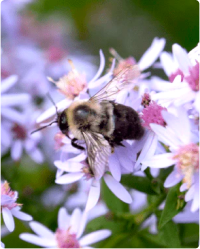
- Day & Night Pollinators: Attracts hummingbirds and bees in daylight and hawkmoths at dusk.
- Drought Tolerant: Native to hot, arid locations and thrives in water-thrifty gardens.
- Nearly Evergreen: Foliage remains nearly evergreen through mild winters, providing year-round structure.
- Pollinator-Safe: Grown non-GMO and free of harmful neonicotinoids, promoting a healthy ecosystem for pollinators and wildlife.
Available in sets of three, six, or 12 plants to suit any garden size.
Why Choose Desert Beardtongue?
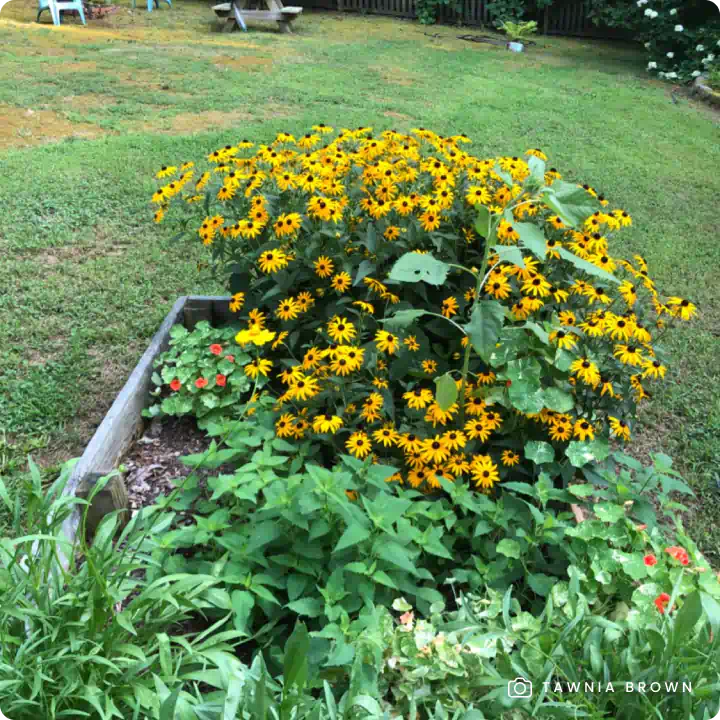
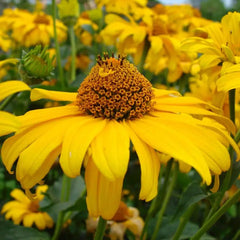
Desert Beardtongue is the ideal choice for gardeners who want high-impact color with low maintenance. Its "shocking pink" flowers create a striking contrast when planted alongside yellow daisies, such as the Chocolate Flower. Though it hails from the desert, it is adaptable to most garden conditions as long as it has drainage. Whether you are creating a moon garden for evening moths or a daytime haven for hummingbirds, this plant delivers beauty around the clock.
Planting Tips:
- Location: Requires plenty of sun and fast drainage. It thrives in hot, dry, xeric gardens but is tolerant of general garden conditions.
- Watering: Very water-thrifty. It thrives on neglect but is adaptable to occasional irrigation.
- Maintenance: Minimal care required. It is a long-lived perennial that maintains its bushy form with little intervention. There's no need to deadhead the flowers, as allowing them to go to seed provides a valuable food source for birds. Leaving the stems standing in the fall offers overwintering sites for beneficial insects. If desired, cut back the stems in late spring after pollinators have emerged.
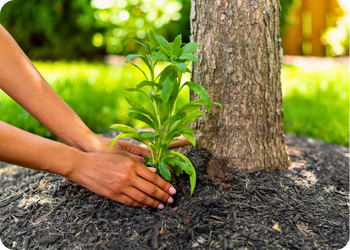
For more information on planting, view our How to Plant Your Native Plants guide and other planting tips in the Garden for Wildlife Learning Center.
Add Desert Beardtongue to your landscape for a burst of rosy color, unique foliage, and a habitat that supports pollinators from dawn until dusk.
 Grows to:
  Spread:
  Blooms:
  Light Requirements:
  Soil Moisture:
  Soil Description:
  Attracts:
 Verified Buyer