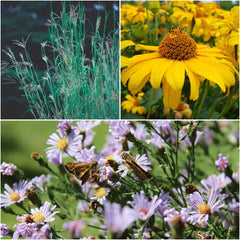







Deer Grass (Muhlenbergia rigens), also known as Meadow Muhly, is a robust, perennial bunchgrass prized for its architectural form and incredible adaptability. Resembling a small pampas grass, this native beauty grows 4–5 feet high, featuring mounds of narrow, light-green blades topped with graceful, arching plumes.
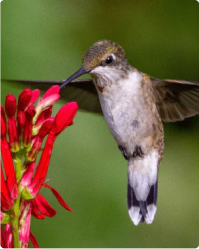
An extremely versatile plant, Deer Grass is a popular choice for lawn replacements and groundcover, thriving in everything from hot, dry xeric gardens to coastal seaside landscapes. It offers year-round interest, producing tall spikes of yellow flowers in spring that mature into long, silver-gray panicles rising 2–3 feet above the foliage in late summer. Beyond its beauty, it is a hub for biodiversity, providing seeds for birds, denning space for small mammals, and nesting materials for native bees.
Key Features:
- Architectural Form: A large mounding grass with pale green leaves and narrow plumes that arch gracefully over the foliage.
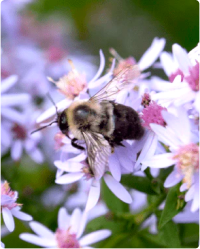
- Wildlife Haven: Seeds feed birds and small mammals, while the dense foliage provides essential nesting material and structure for native bees.
- Lawn Replacement: An attractive, low-water grass that is perfect for groundcover and sustainable landscaping.
- Highly Adaptable: Thrives in sandy soil and full sun but is versatile enough to tolerate shade, various soil types, and direct seaside exposure.
- Seasonal Interest: Features yellow flower spikes in spring and silver-gray panicles in late summer.
- Pollinator-Safe: Grown non-GMO and free of harmful neonicotinoids, promoting a healthy ecosystem for pollinators and wildlife.
Available in sets of three, six, or 12 plants to suit any garden size.
Why Choose Deer Grass?
Deer Grass is the "common thread" that can knit a meadow together or stand alone as a stunning accent. It is extremely easy to grow and adaptable, making it a stress-free addition to both irrigated meadows and drought-stricken gardens. Whether you are replacing a thirsty lawn or planting a habitat garden, Deer Grass delivers impressive visual impact while supporting local wildlife.
Planting Tips:
- Location: Does best in sandy soil and full sun, but is tough enough to tolerate shade and clay soils. It can even handle direct first seaside exposure.
- Watering: A low-water plant that is very drought tolerant once established, yet can also handle regular irrigation.
- Maintenance: Plant in groups for an impressive display. It is a robust bunchgrass that requires little care once settled.
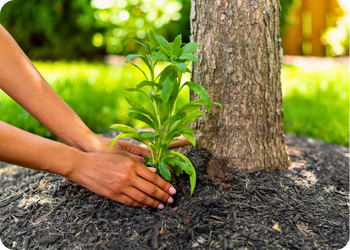
For more information on planting, view our How to Plant Your Native Plants guide and other planting tips in the Garden for Wildlife Learning Center.
Add the graceful motion and rugged resilience of Deer Grass to your landscape for a low-maintenance, wildlife-friendly foundation that looks beautiful in every season.
 Grows to:
  Spread:
  Blooms:
  Light Requirements:
  Soil Moisture:
  Soil Description:
  Attracts:
 Verified Buyer