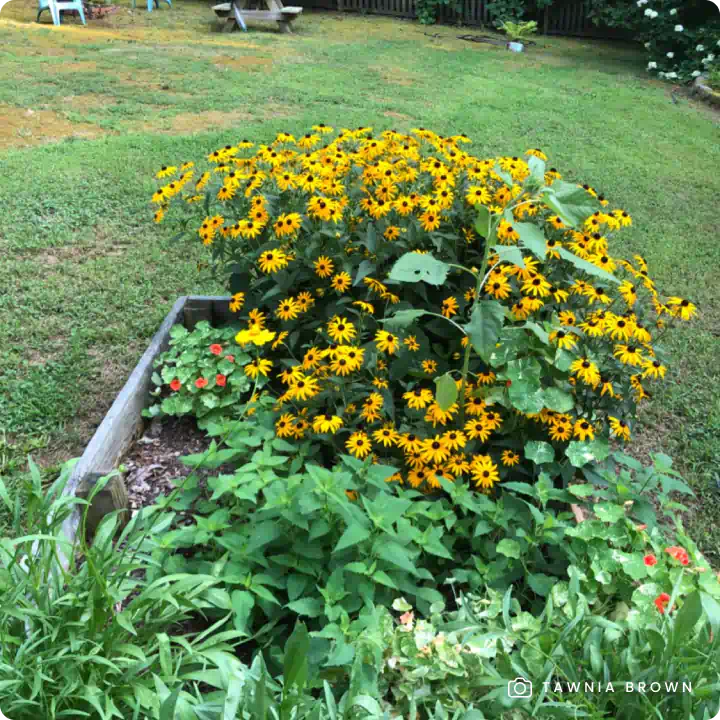
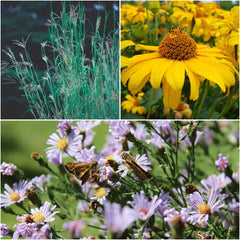

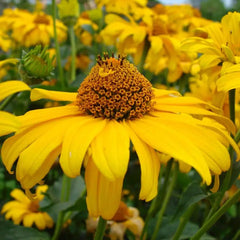



Add a profusion of late-season color to your landscape with Brown-Eyed Susan (Rudbeckia triloba), a hardy and densely-branched native perennial. Also known as Three-Lobed Coneflower or Branched Coneflower, this rugged plant is celebrated for producing a massive volume of bright yellow, daisy-like flowers with distinctive dark purple-brown center disks. Growing 2–5 feet tall with a bushy habit, it provides a more prolific bloom than the common Black-Eyed Susan, making it a standout choice for naturalized meadows, borders, and pollinator-friendly gardens.
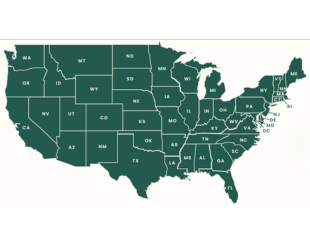
Native to much of eastern North America, this short-lived perennial or biennial is exceptionally adaptable. It is prized for its ability to thrive in a wide range of soils and light conditions, even serving as an attractive winter groundcover thanks to its basal rosette of three-lobed leaves that persists through the cold months.
Key Features:
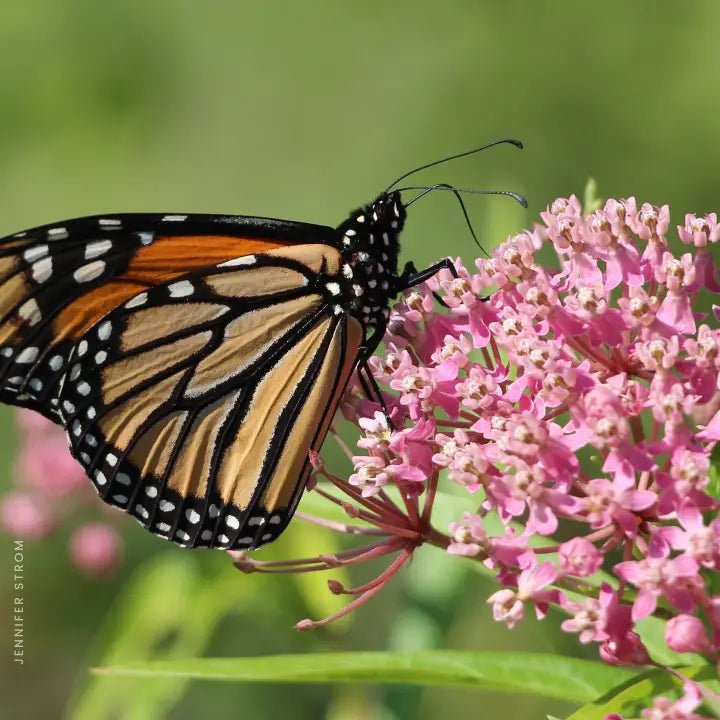
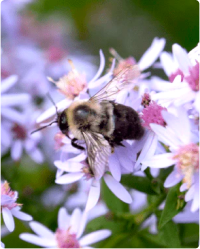
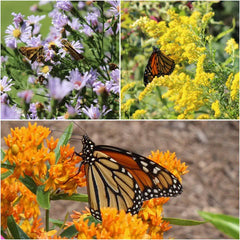
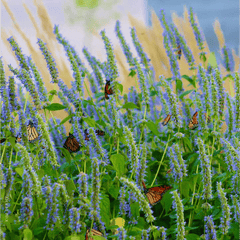
- Pollinator Powerhouse: Attracts bees, butterflies, and other beneficial insects with abundant nectar and pollen.
- Critical Larval Host: Serves as a vital host plant for Silvery Checkerspot and Wavy-lined Emerald caterpillars.
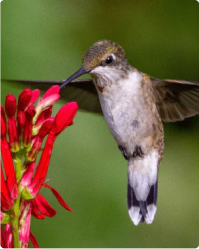
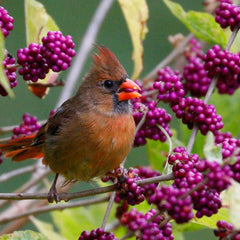
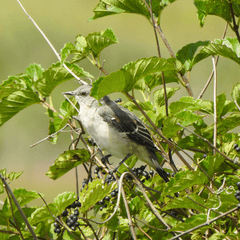
- Songbird Favorite: Nutrient-rich seeds provide a valuable food source for songbirds, particularly American Goldfinches, in the fall.
- Extended Bloom Season: Offers a long-lasting display of 1.5- to 3-inch flowers from late summer through the first hard frost.
- Drought-Tolerant & Rugged: Once established, it tolerates heat, drought, and deer predation with ease.
- Shade Adaptable: Unlike many sun-loving wildflowers, it can thrive in several hours of light shade.
- Pollinator-Safe: Grown non-GMO and free of harmful neonicotinoids, promoting a healthy ecosystem for pollinators and wildlife.
Available in sets of three, six, or 12 plants to suit any garden size.
Why Choose Brown-Eyed Susan?
Brown-Eyed Susan is the perfect choice for gardeners seeking a low-maintenance, high-impact plant that naturalizes easily. While the individual plants are short-lived, they are profuse self-seeders, ensuring a reliable return to your garden year after year. Its maroon stems and dark green, rough-textured foliage provide beautiful structural contrast to native prairie grasses. Additionally, the vibrant blooms make excellent, long-lasting cut flowers for late-summer arrangements.
Planting Tips:
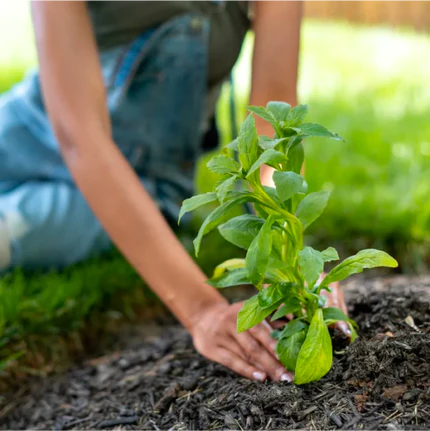
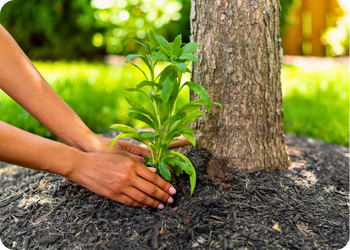
- Location: Prefers full sun to light shade. If grown in too much shade, the tall stems may require physical support. Easily grown in average, moist, well-drained soils, though it thrives best in organically rich environments.
- Watering: Prefers moderate, consistent moisture but is highly drought-tolerant once mature.
- Maintenance: Minimal care required. There's no need to deadhead the flowers, as allowing them to go to seed provides a valuable food source for birds. Leaving the stems standing in the fall offers overwintering sites for beneficial insects. If desired, cut back the stems in late spring after pollinators have emerged.
For more information on planting, view our How to Plant Your Native Plants guide and other planting tips in the Garden for Wildlife Learning Center.
 Grows to:
  Spread:
  Blooms:
  Light Requirements:
  Soil Moisture:
  Soil Description:
  Attracts:
 Verified Buyer