





Blue-Eyed Grass (Sisyrinchium bellum) is a charming perennial herb that brings splashes of color to open grassy areas and woodlands throughout California. Despite its name and grassy appearance, it is actually a member of the iris family, featuring narrow, sword-shaped leaves that form fan-like sprays from creeping rhizomes. Growing 1-2 feet tall, this variable perennial produces quantities of starry blue, violet, or occasionally white flowers from January to July.
Though individual flowers last only one day, they appear in such abundance that the plant remains colorful for months. An excellent choice for meadows, containers, and borders, Blue-Eyed Grass is moderately hardy and highly adaptable, thriving in sun or part shade. It is recognized as a fire-resistant plant by organizations like FireSafe Marin, making it a smart and beautiful addition to fire-wise landscapes.
Key Features:
- Starry Abundant Blooms: Umbels of blue, violet, or white flowers bloom profusely from winter through mid-summer.
- Grassy Texture: Features tufted, sword-shaped foliage that adds texture to the garden.
- Drought & Dormancy Adapted: Prefers winter/spring moisture but becomes drought-tolerant once established, often going dormant in summer to survive dry heat.
- Fire-Resistant: Listed on several fire-resistant plant lists, including FireSafe Marin, making it a safe choice for defensible space.
- Deer Resistant: Naturally unappealing to deer, ensuring that its delicate blooms remain intact.
- Versatile Groundcover: Spreads via rhizomes and abundant seeds, making it an excellent lawn alternative or groundcover.
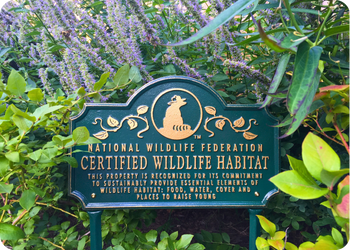
- Pollinator-Safe: Grown non-GMO and free of harmful neonicotinoids, promoting a healthy ecosystem for pollinators and wildlife.
Available in sets of three, six, or 12 plants to suit any garden size.
Why Choose Blue-Eyed Grass?
Blue-Eyed Grass is a "plant-it-and-forget-it" native that offers tremendous versatility. It is very easy to grow and readily reseeds, creating lovely drifts of color in loamy soils or meadow plantings. Whether you need a container plant, a lawn alternative, or a fire-safe groundcover, this species delivers. While it naturally dies back in summer in dry areas, occasional watering can keep it evergreen, providing year-round interest in mild climates.
Planting Tips:
- Location: Plant in sun or part shade. It thrives in open, grassy places or woodland edges.
- Soil: Adaptable to almost any soil, sandy or heavy, as long as there is good drainage. Best planted in flat areas with loamy soils that hold moisture well.
- Watering: Prefers regular moisture during winter and spring growing seasons. It tolerates summer dryness by going dormant but is more likely to stay green with occasional summer watering.
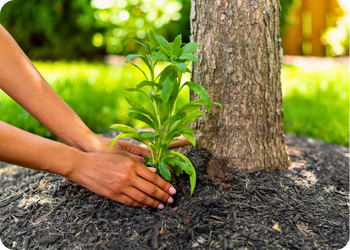
- Maintenance: Minimal care required. The plant can be propagated by dividing rhizomes or allowing it to self-sow.
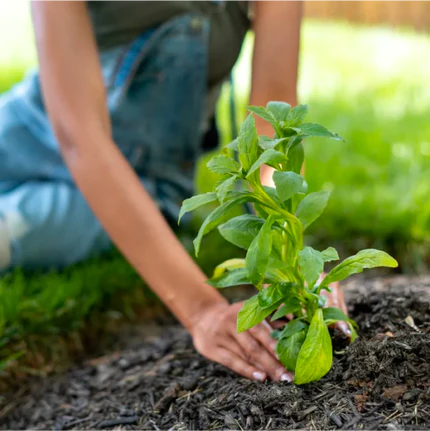
For more information on planting, view our How to Plant Your Native Plants guide and other planting tips in the Garden for Wildlife Learning Center.
Add the delicate charm of Blue-Eyed Grass to your garden for a fire-safe, deer-resistant pop of color that returns year after year.
 Grows to:
  Spread:
  Blooms:
  Light Requirements:
  Soil Moisture:
  Soil Description:
  Attracts:
 Verified Buyer