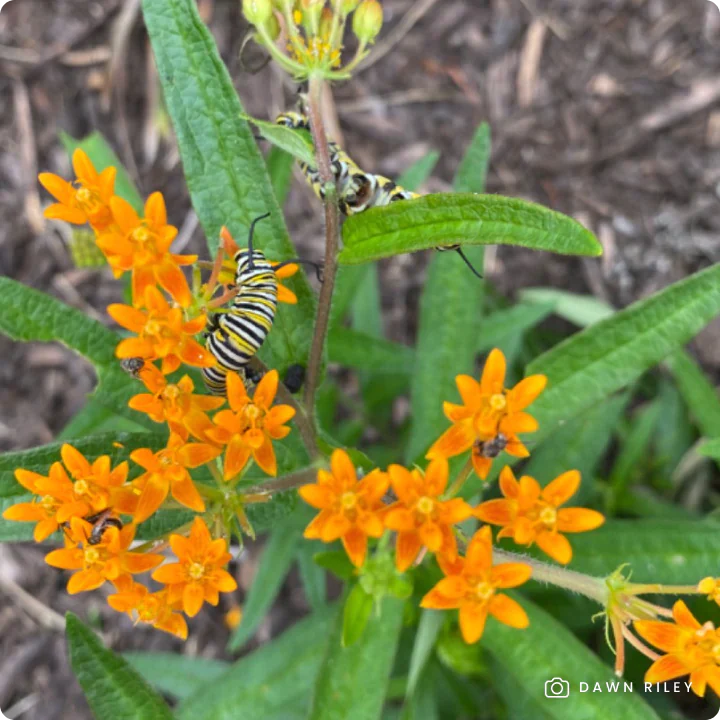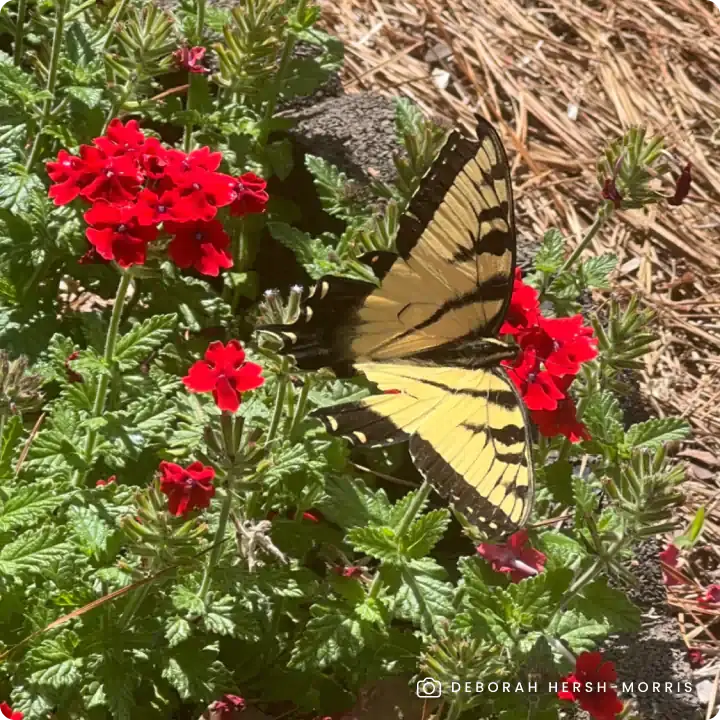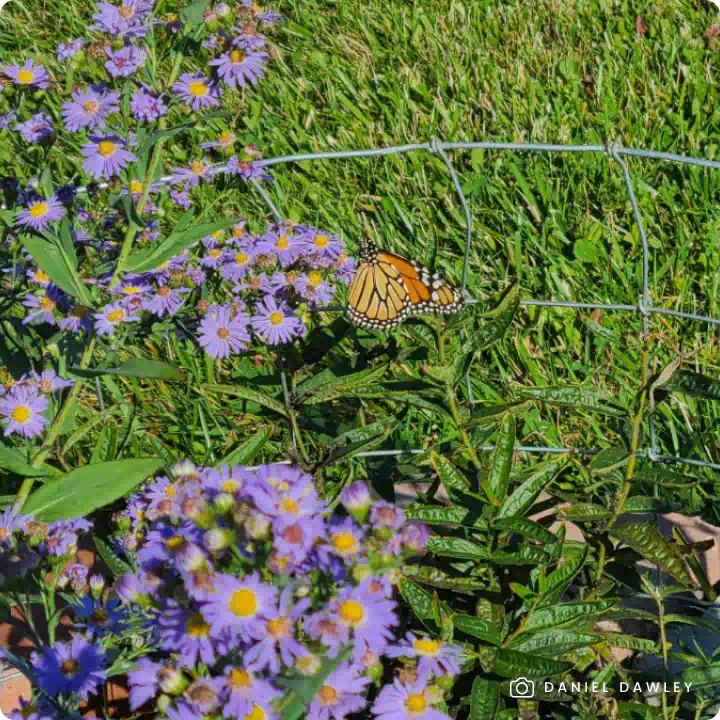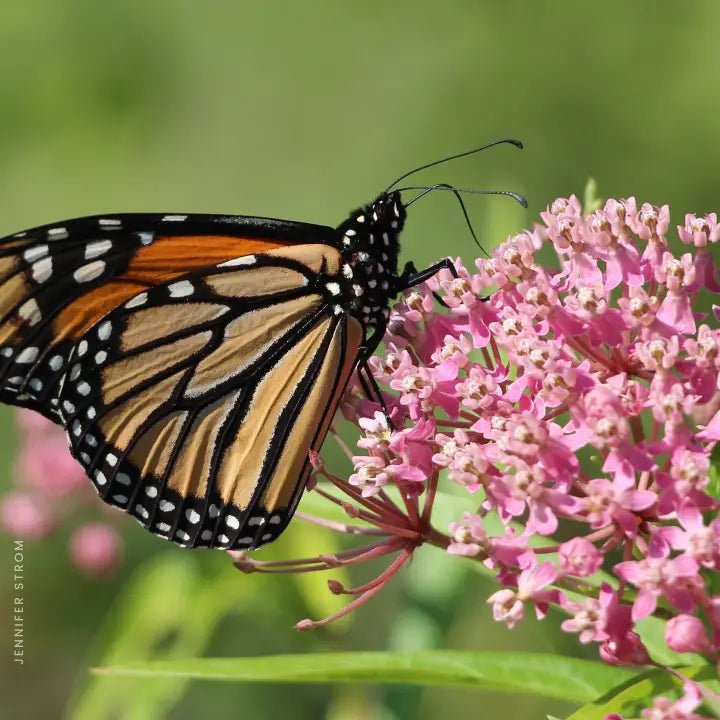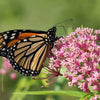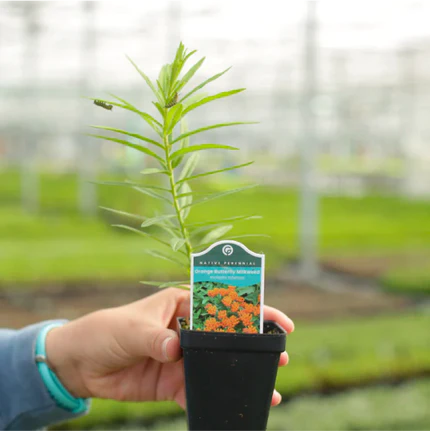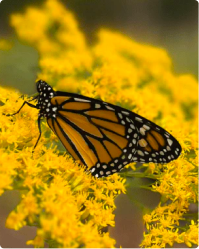
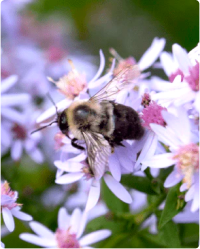
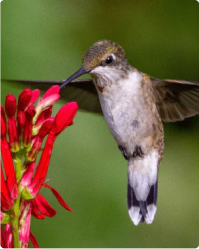
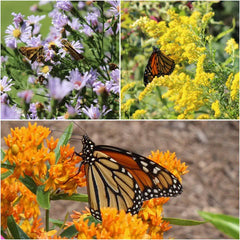
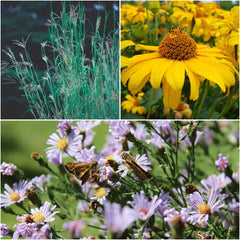








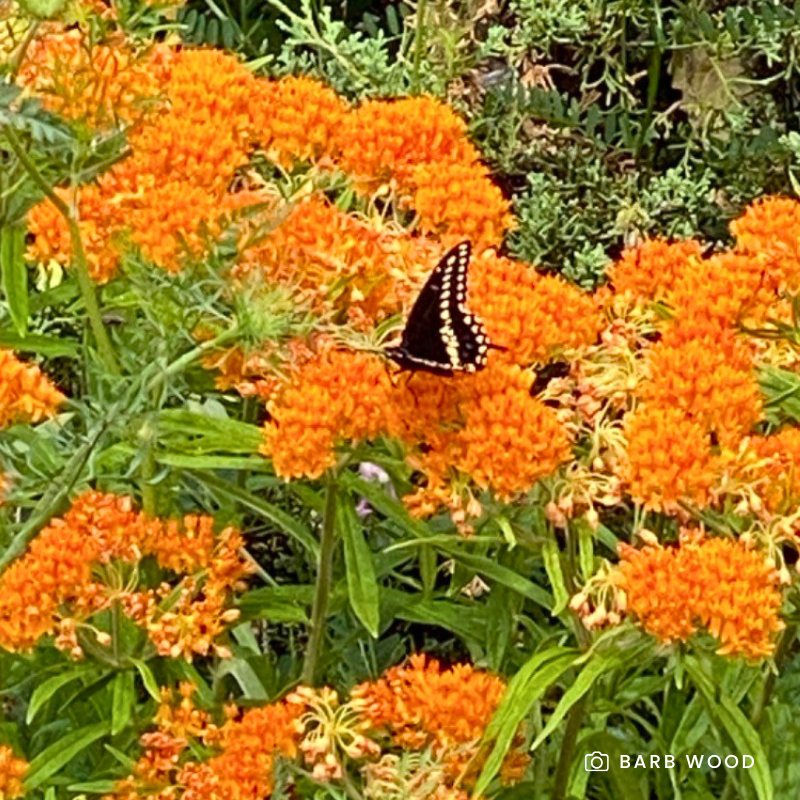
Create a thriving pollinator oasis with the Blissful Bees collection, a curated mix of native perennial plants selected for their ability to support bees, butterflies, and other beneficial wildlife throughout the growing season. Blooming from spring through fall, these hardy species bring reliable color, texture, and ecological value to sunny or partly shaded gardens.
Perfect for borders, wildflower meadows, or pollinator-friendly landscapes, this collection helps restore vital habitat while offering lasting beauty in a low-maintenance planting.
What’s Included:
- Foxglove Beardtongue (Penstemon digitalis): Produces early-season clusters of tubular white flowers that provide a critical nectar source for native bees and hummingbirds.
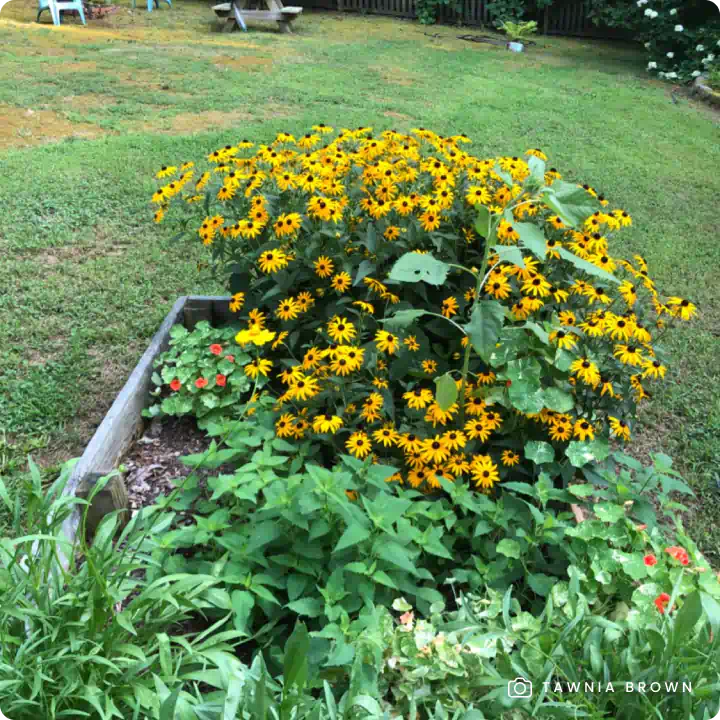
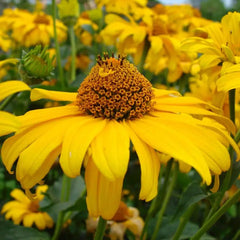
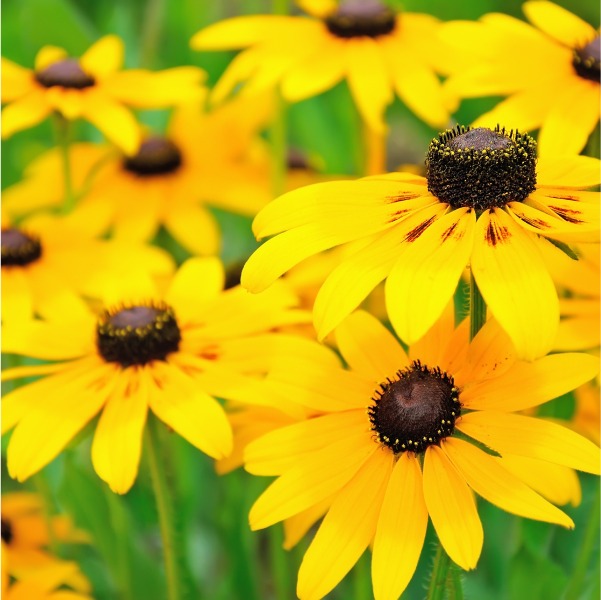
- Black-eyed Susan (Rudbeckia hirta): A classic summer favorite with golden-yellow petals and dark centers that are highly attractive to butterflies and provide seeds for birds in the fall.
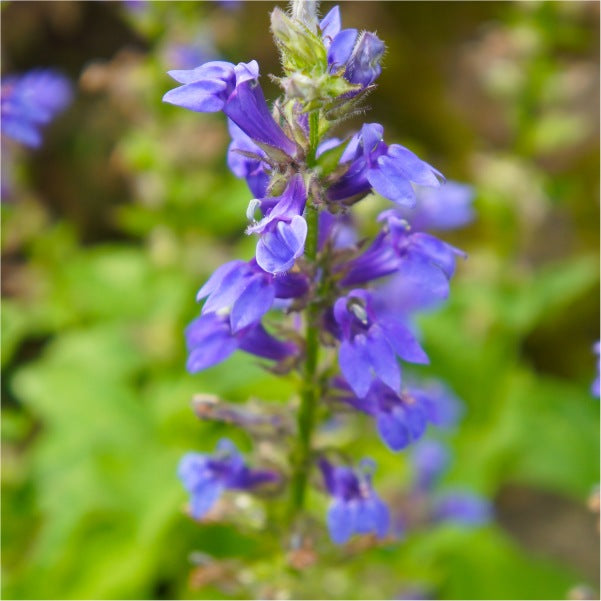
- Great Blue Lobelia (Lobelia siphilitica): Featuring late-season spikes of vivid blue flowers, this plant offers a rich nectar source for pollinators when other blooms begin to fade.
Key Benefits:
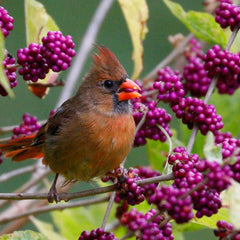
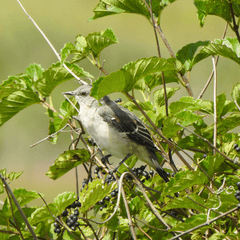
- Vital Wildlife Support: Specifically selected to provide habitat and food for birds, butterflies, and essential native bees.
- Three-Season Color: These perennials return each year to provide a continuous cycle of blooms from spring through autumn.
- Sustainable Landscapes: Once established, these plants never need chemical treatments and require significantly less water than traditional garden varieties.
- Resilient & Hardy: Naturally deer-resistant once established, allowing your habitat to flourish with minimal intervention.
- Pollinator-Safe: Grown non-GMO and free of harmful neonicotinoids, promoting a healthy ecosystem for pollinators and wildlife.
Available in collections of nine, 18, or 27 plants to fit any porch, patio, or garden size.
Planting Tips:
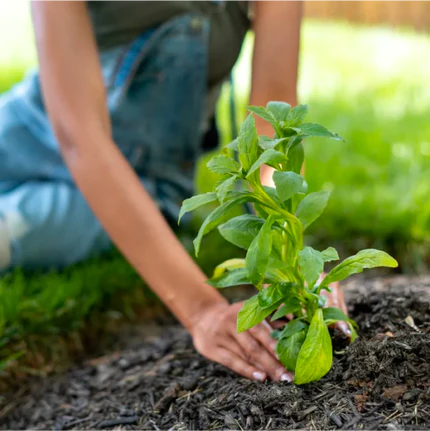
- Location: Prefers full sun to part shade in well-drained soil.
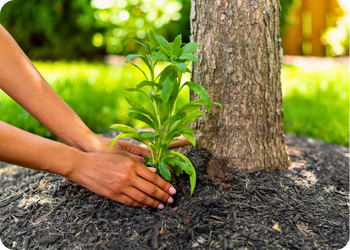
- Watering: Water regularly during the first growing season to help plants establish strong root systems.
- Maintenance: Minimal care required. There's no need to deadhead the flowers, as allowing them to go to seed provides a valuable food source for birds. Leaving the stems standing in the fall offers overwintering sites for beneficial insects. If desired, cut back the stems in late spring after pollinators have emerged.
For more information on planting, view our How to Plant Your Native Plants guide and other planting tips in the Garden for Wildlife Learning Center.
 Grows to:
  Spread:
  Blooms:
  Light Requirements:
  Soil Moisture:
  Soil Description:
  Attracts: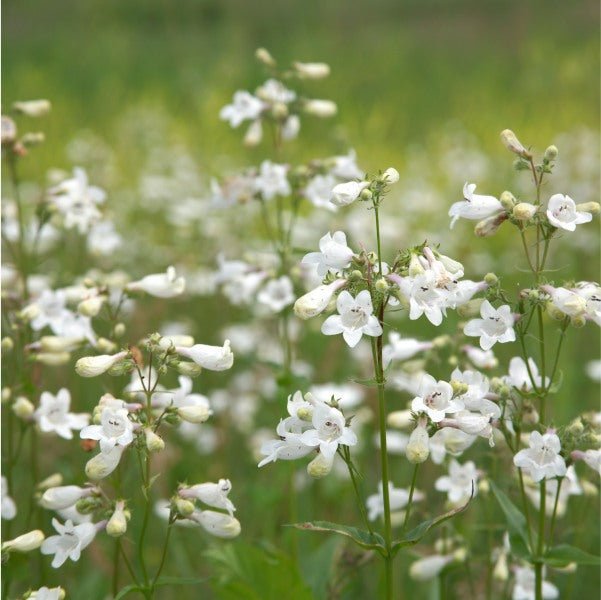
 Verified Buyer