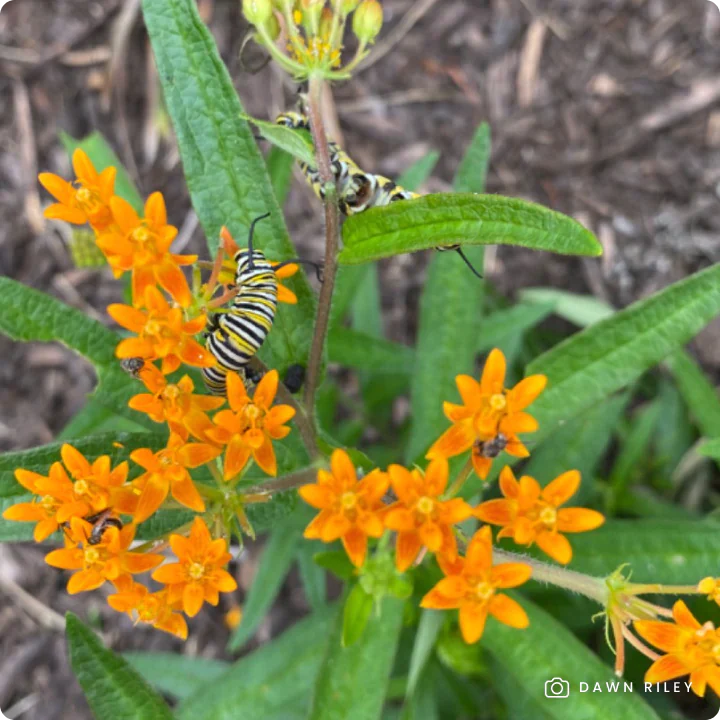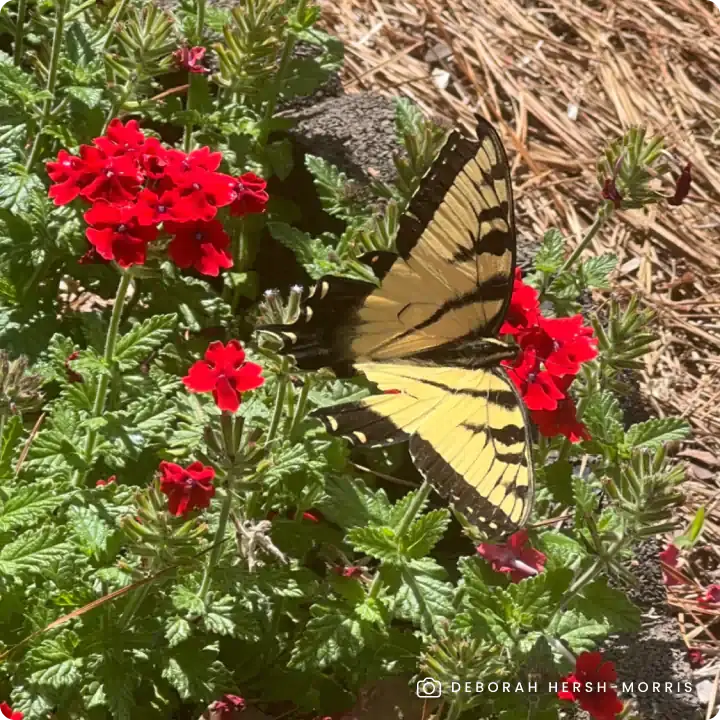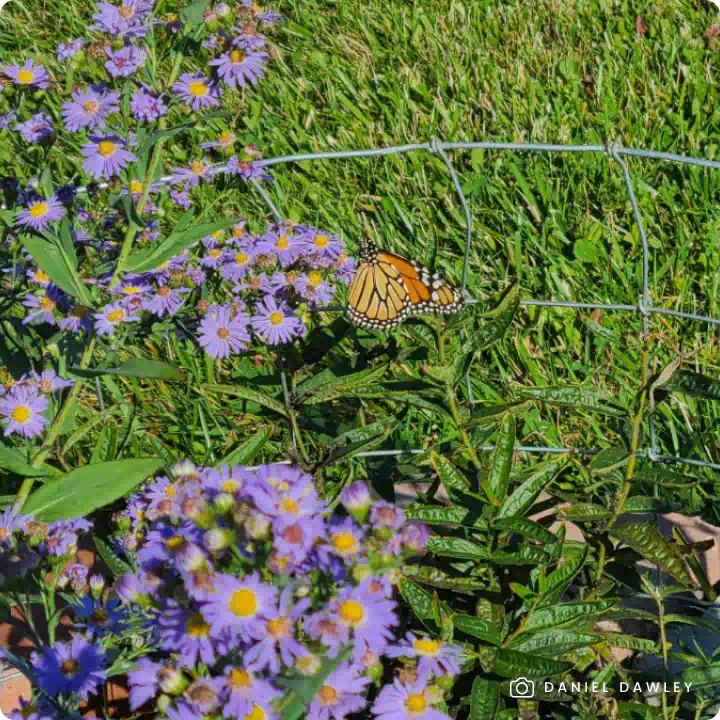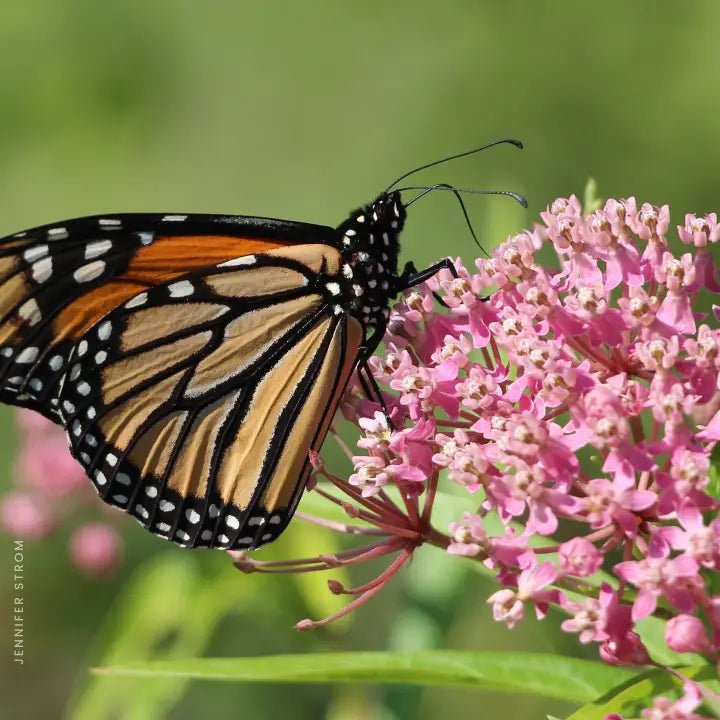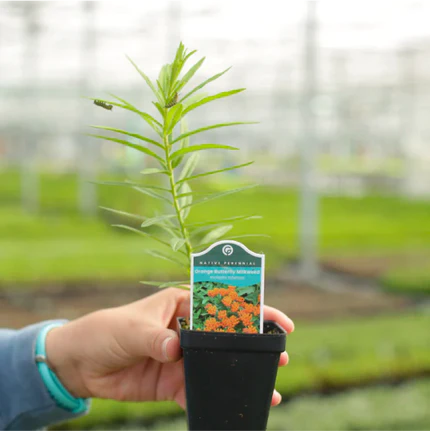
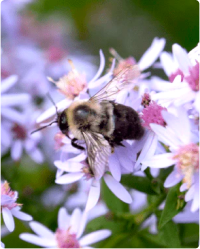
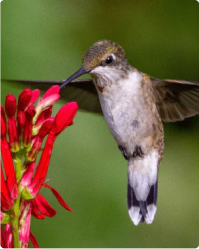
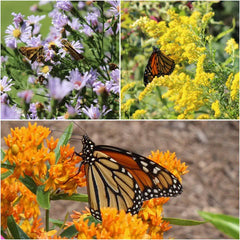













Antelope Horn Milkweed (Asclepias asperula), also known as Spider Milkweed, is a striking, drought-tolerant perennial that serves as a vital anchor for butterfly gardens in warm, arid regions. Emerging early in spring, this low-growing, sprawling native plant produces distinctive spherical clusters of green and cream flowers accented with deep purple, providing a critical early-season nectar source for pollinators.
Named for its seed pods that curve to resemble antelope horns, this resilient plant adds unique architectural interest to rock gardens and dry borders. Most importantly, it is a powerhouse host plant for Monarch, Queen, and Soldier butterflies, offering essential nourishment for caterpillars and supporting the first wave of the spring Monarch migration.
Key Features:
- Essential Monarch Host: Serves as a critical host plant for Monarch, Queen, and Soldier butterfly caterpillars, ensuring their survival and lifecycle support.
- Unique Spider-Like Blooms: Features intricate balls of green and cream flowers with purple centers that bloom from March to October, attracting a host of pollinators.
- Drought-Tolerant Specialist: A deep taproot allows this plant to thrive in dry, sandy, or rocky soils where other plants might struggle.
- Architectural Seed Pods: Green seed follicles curve as they grow, resembling antelope horns and adding visual intrigue to the landscape.
- Early Season Support: One of the earliest milkweeds to emerge, providing vital resources for migrating butterflies in spring.
- Pollinator-Safe: Grown non-GMO and free of harmful neonicotinoids, promoting a healthy ecosystem for pollinators and wildlife.
Available in sets of three, six, or 12 plants to create a pollinator-friendly habitat in your garden.
Why Choose Antelope Horn Milkweed?
Antelope Horn Milkweed is a "must-have" for pollinator enthusiasts in dry or rocky climates. Its ability to thrive in poor, well-drained soil makes it perfect for xeriscaping and rock gardens, while its ecological value cannot be overstated. By planting this milkweed, you provide a crucial fueling station for migrating Monarchs and a safe haven for their caterpillars, all while adding a plant with fascinating texture and form to your landscape.
Planting Tips:
- Location: Prefers full sun and requires well-drained soil. It thrives in sandy, rocky, or gravelly areas and is ideal for sunny borders or naturalized prairies.
- Watering: Water regularly during the first growing season to establish the deep taproot. Once established, it is highly drought-tolerant and requires water only during long dry spells.
- Maintenance: Minimal care required. If desired, trim back plants one at a time starting in June to encourage fresh foliage for caterpillars. Aphids are common but generally do not harm the plant. There's no need to deadhead the flowers, as allowing them to go to seed provides a valuable food source for birds. Leaving the stems standing in the fall offers overwintering sites for beneficial insects. If desired, cut back the stems in late spring after pollinators have emerged.
For more information on planting, view our How to Plant Your Native Plants guide and other planting tips in the Garden for Wildlife Learning Center.
Enhance your garden with the unique beauty and ecological power of Antelope Horn Milkweed—a resilient native that brings life, color, and butterflies to your outdoor space!
 Grows to:
  Spread:
  Blooms:
  Light Requirements:
  Soil Moisture:
  Soil Description:
  Attracts:

 Verified Buyer