

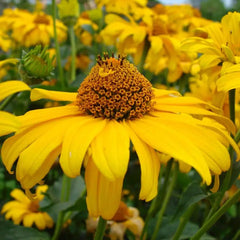
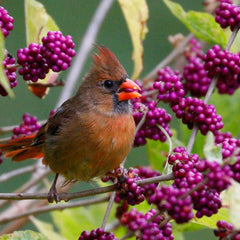

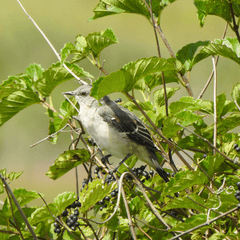



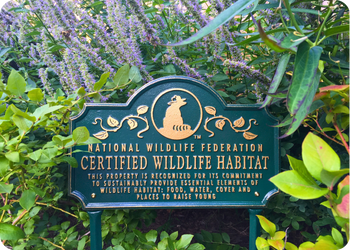
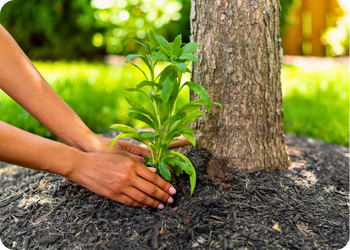



The Woodland Wonders collection is expertly curated to bring life to the quieter, shaded corners of your garden. By featuring native perennials that thrive in dappled light, this collection provides a vital nectar source for early-season pollinators and essential ground cover for beneficial insects.
Whether you are looking to naturalize a woodland edge or add delicate texture to a shaded border, these plants offer a resilient, eco-friendly solution that returns year after year.
What's Included:
- Wild Geranium (Geranium maculatum): Offers soft pink to lavender blooms in mid-to-late spring. It serves as a critical early-season nectar source for bees and a beautiful, low-growing anchor for the collection.
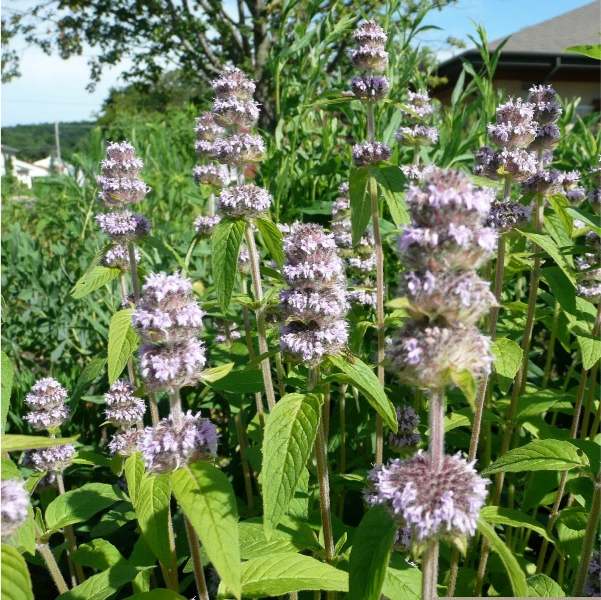
- Downy Wood Mint (Blephilia ciliata): Features unique, tiered clusters of light blue to purple flowers that bloom from late spring into mid-summer. Its aromatic foliage is highly attractive to butterflies and specialized bees.
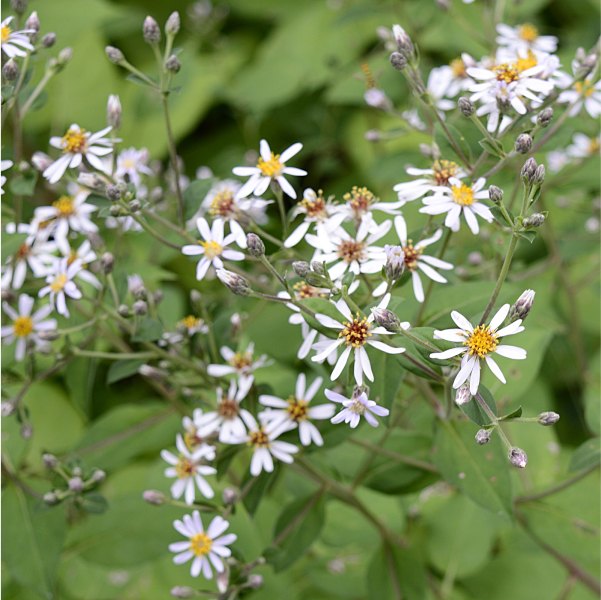
-
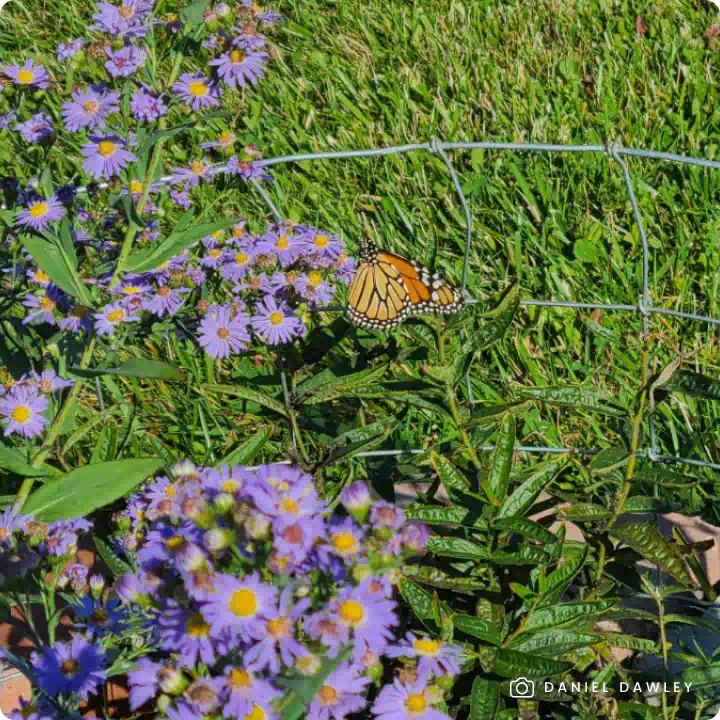
Bigleaf Aster (Eurybia macrophylla): Provides large, heart-shaped foliage that acts as a lush ground cover, followed by delicate violet-to-white flowers in late summer. This ensures "three-season" interest and late-season support for pollinators.
Key Benefits:
- Shade-Friendly: Specifically designed to thrive in part-shade to full-shade environments where many other pollinator mixes struggle.
- Pollinator Powerhouse: Supports the full life cycle of native bees and butterflies, including species that frequent woodland edges.
- Low Maintenance: These naturally resilient species require minimal watering once established and no deadheading.
- Deer & Rabbit Resistant: Features textures and scents that typically stand up well to browsing wildlife.
- Pollinator-Safe: All plants are grown non-GMO and are 100% neonicotinoid-free, ensuring a safe haven for the wildlife they attract.
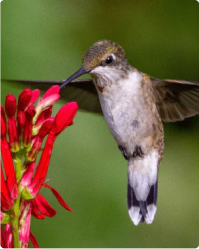
Available in collections of nine, 18, or 27 plants to create a thriving hummingbird habitat.
Planting Tips:
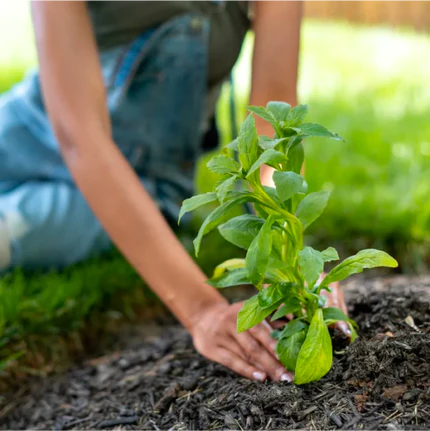
- Location: Plant in a spot that receives dappled sunlight or afternoon shade with well-drained soil.
- Watering: Water regularly during the first growing season to ensure deep root establishment. Once mature, these plants are increasingly drought-tolerant.
- Maintenance: Minimal care required. Avoid deadheading in late summer, as the seed heads provide food for other songbirds. Leave the stems and foliage standing through the winter to provide shelter for overwintering beneficial insects.
For more information on planting, view our How to Plant Your Native Plants guide and other planting tips in the Garden for Wildlife Learning Center.
 Grows to:
  Spread:
  Blooms:
  Light Requirements:
  Soil Moisture:
  Soil Description:
  Attracts: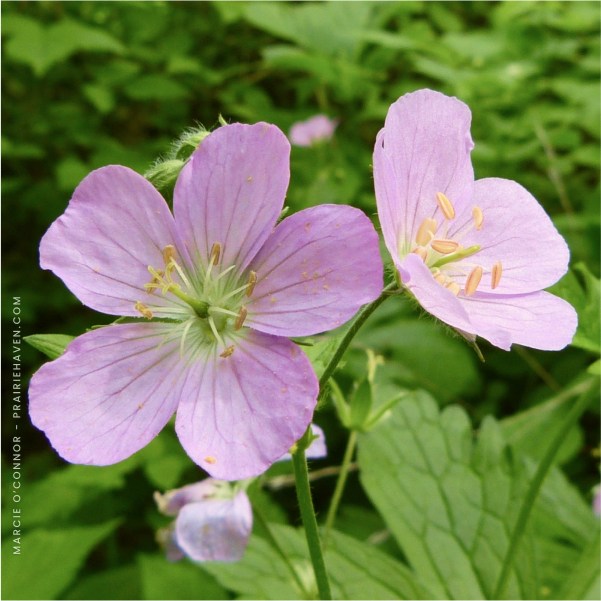
 Verified Buyer