






Discover the sweetest treasure of the native plant world with Wild Strawberry (Fragaria virginiana). This charming, ground-hugging perennial is the parent species of today's cultivated strawberries, prized for producing small but intensely flavorful fruit that far surpasses store-bought varieties in sweetness. In spring (April-June), loose clusters of delicate, five-petaled white flowers bloom atop hairy stalks, eventually giving way to the renowned red berries in early summer.
Beyond its delicious harvest, Wild Strawberry is a hardworking groundcover. It spreads enthusiastically via runners to form dense, weed-suppressing colonies, making it excellent for erosion control on slopes or filling gaps in woodland gardens. As the seasons change, the trifoliate foliage transforms into vibrant shades of maroon and red, offering beautiful autumn color. Adaptable and resilient, this cool-season perennial thrives in a wide range of sun and soil conditions, supporting a variety of pollinators and moth species along the way.
Key Features:
- Edible & Delicious: Produces small, seed-dotted red berries in late spring to early summer that are famous for their rich, sweet-tart flavor.
- Vigorous Groundcover: Spreads indefinitely by runners to form large patches, perfect for stabilizing soil and suppressing weeds.
- Pollinator & Host Plant: Serves as a host plant for the Grizzled Skipper, Smith's Dart, Purple-Lined Sallow, and Crocus Geometer moths.
- Seasonal Interest: Offers white spring blooms, summer fruit, and stunning red to maroon foliage in the fall.
- Highly Adaptable: Thrives in full sun to nearly full shade and tolerates a variety of soils, from sandy loams to rocky hillsides.
- Pollinator-Safe: Grown non-GMO and free of harmful neonicotinoids, promoting a healthy ecosystem for pollinators and wildlife.
Available in sets of three, six, or 12 plants to create an edible, wildlife-friendly groundcover.
Why Choose Wild Strawberry?
Wild Strawberry is the perfect choice for the "foodie" gardener who also cares about ecology. You get the best of both worlds: the finest wild fruit for jams, pies, or fresh eating, and a robust native plant that supports local biodiversity. Its ability to tolerate high traffic and varying light conditions makes it a versatile alternative to traditional lawn grass or non-native groundcovers. Whether you are planting a prairie patch, a woodland edge, or an edible garden, this plant delivers flavor and function.
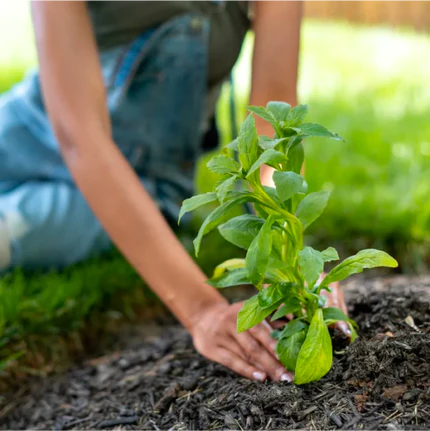
Planting Tips:
- Location: Versatile! Grows well in full sun to part shade. Thrives in meadows, fields, woodland openings, and slopes. Prefers fertile, organically rich, sandy loams but is adaptable to moist to dry-mesic, well-drained soils.
- Watering: Water regularly to establish. Plants may slow down or go dormant during hot, dry summers but will rebound in cooler weather.
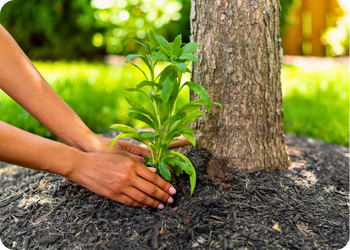
- Maintenance: Minimal care required. Mulching can help retain moisture and keep fruit clean.
For more information on planting, view our How to Plant Your Native Plants guide and other planting tips in the Garden for Wildlife Learning Center.
 Grows to:
  Spread:
  Blooms:
  Light Requirements:
  Soil Moisture:
  Soil Description:
  Attracts:
 Verified Buyer