

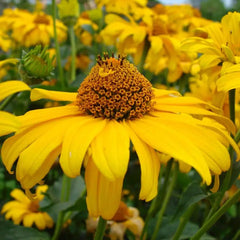
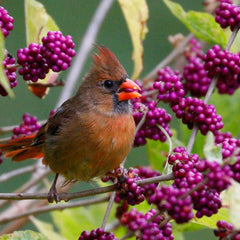

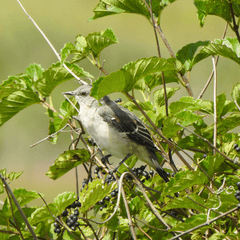


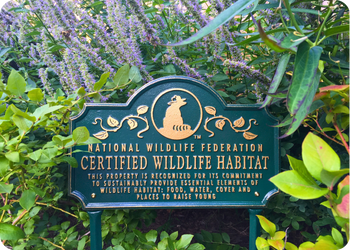



Bring resilience and vibrant color to the sunniest spots in your landscape with the Water-Wise Wildflowers collection. This curated set features three exceptionally hardy native perennials—Prairie Goldenrod, Blanketflower, and Harebell—specifically chosen for their ability to thrive in dry, challenging conditions while providing a continuous buffet for pollinators. Whether you are planting a rock garden, a sunny border, or a prairie meadow, these drought-tolerant beauties offer a low-maintenance solution for a sustainable, biodiversity-rich garden.
What’s Included?
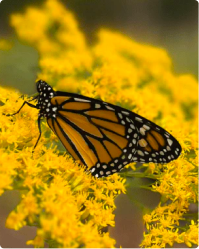
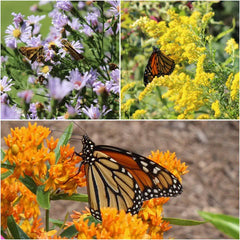
- Prairie Goldenrod (Solidago missouriensis): An early-blooming goldenrod that provides cheerful yellow plumes starting in mid-summer. A vital late-season nectar source for migrating pollinators and native bees.
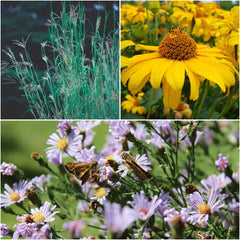
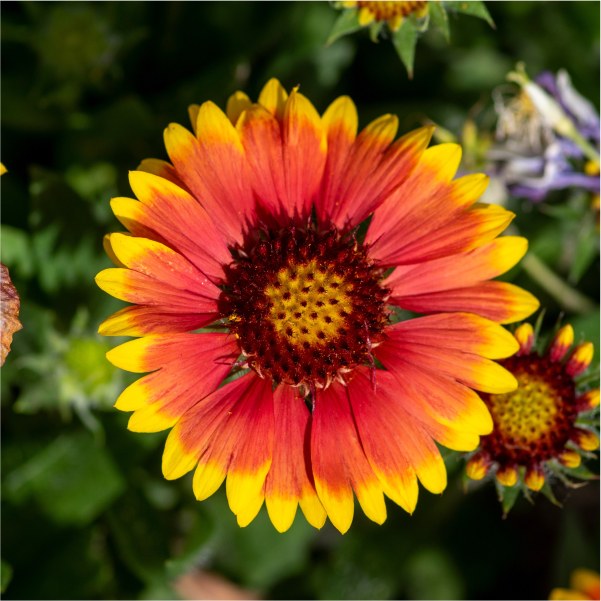
- Blanketflower (Gaillardia aristata): Features bold, sun-loving blooms that are exceptionally heat-tolerant and long-lasting. Attracts a wide variety of native bees and butterflies to the garden.
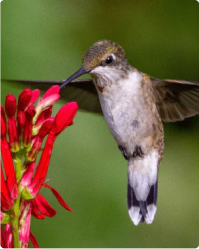
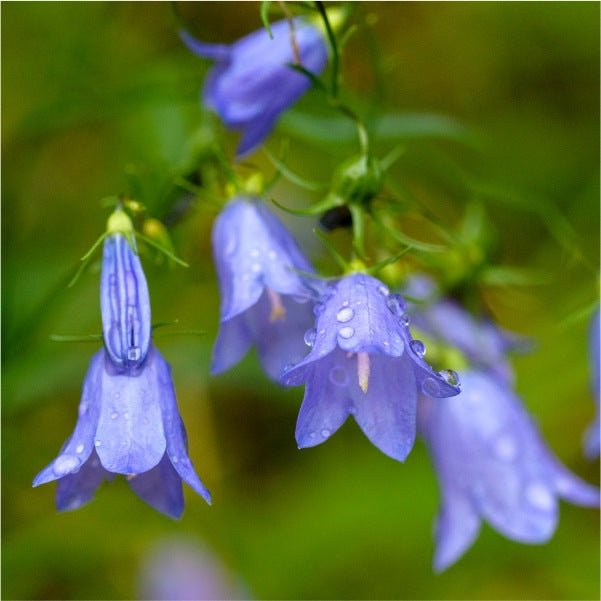
- Harebell (Campanula rotundifolia): Delicate, bell-shaped purple flowers that are surprisingly tough and thrive in rocky soils. Provides essential nectar for hummingbirds and long-tongued bees.
Why Choose the Water-Wise Wildflowers Collection?
- Drought-Tolerant & Resilient: These species are naturally adapted to dry, sandy, or rocky soils, requiring minimal water once established.
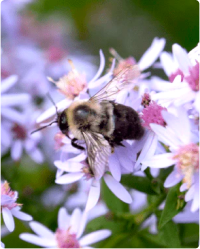
- Extended Pollinator Support: From the early summer blooms of Blanketflower to the critical late-season nectar of Prairie Goldenrod, this collection sustains bees, butterflies, and hummingbirds all season long.
- Low Maintenance: These rugged natives are deer resistant and thrive without the need for chemical fertilizers or constant deadheading.
- Pollinator-Safe: All plants are grown non-GMO and are 100% neonicotinoid-free, ensuring a safe haven for the wildlife they attract.
Available in collections of nine, 18, or 27 plants to create a thriving pollinator habitat.
Planting Tips:
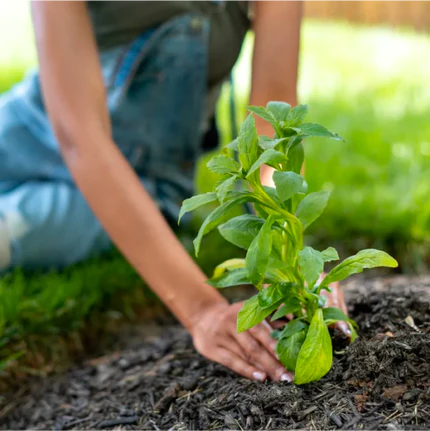
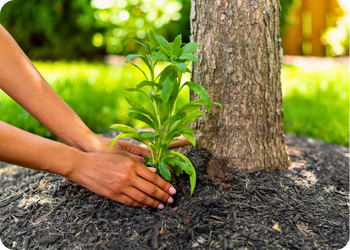
- Location: Plant in full sun to ensure the most prolific blooming. These species prefer well-drained, sandy, or gravelly soils.
- Watering: Water regularly during the first growing season to help establish deep root systems. Once mature, these plants are highly drought-tolerant.
- Maintenance: Minimal care is required. There's no need to deadhead the flowers, as allowing them to go to seed provides a valuable food source for birds. Leaving the stems standing in the fall offers overwintering sites for beneficial insects. If desired, cut back the stems in late spring after pollinators have emerged.
For more information on planting, view our How to Plant Your Native Plants guide and other planting tips in the Garden for Wildlife Learning Center.
 Grows to:
  Spread:
  Blooms:
  Light Requirements:
  Soil Moisture:
  Soil Description:
  Attracts:
 Verified Buyer