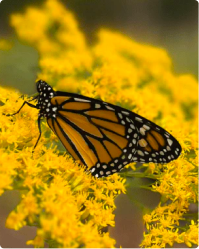
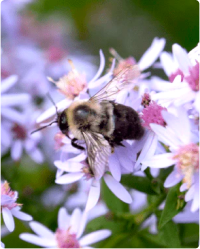
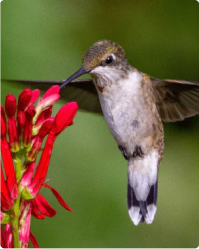











Bring a rare piece of Texas wild beauty into your garden with Texas Milkweed (Asclepias texana), also known as White Milkweed. Endemic to the limestone hills and rocky canyons of central and west Texas, this is widely considered one of the most attractive native milkweeds. Its clusters of brilliant white flowers stand out against glossy green leaves, offering a high-contrast aesthetic that thrives in the tough conditions of the Chihuahuan Desert and Edwards Plateau.
When mature, Texas Milkweed forms a sturdy, compact perennial clump about 1–3 feet tall. It is a refined choice for rock gardens, native prairie plantings, or as a striking accent in pollinator beds. Once established, it is exceptionally drought-tolerant and requires minimal maintenance, perfectly adapted to thrive in nutrient-poor soils and intense summer heat.
Key Features:
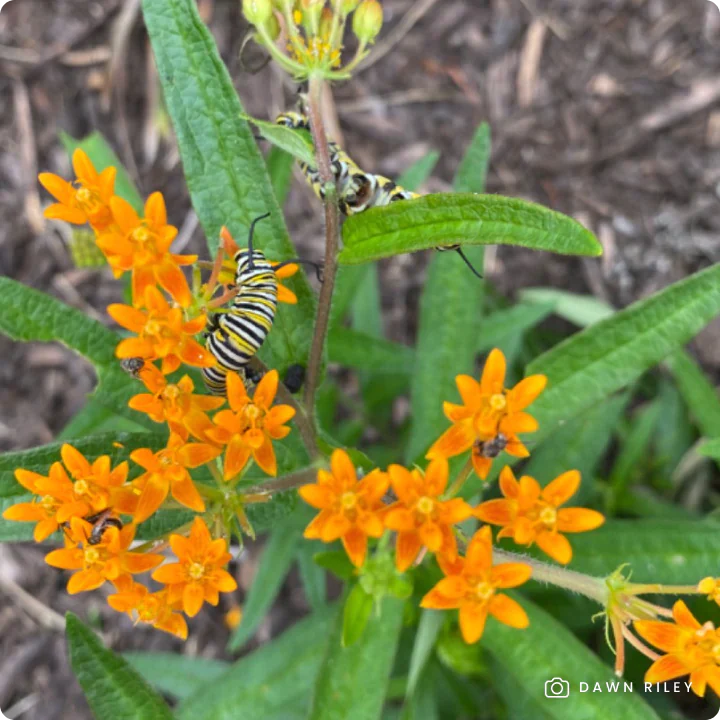
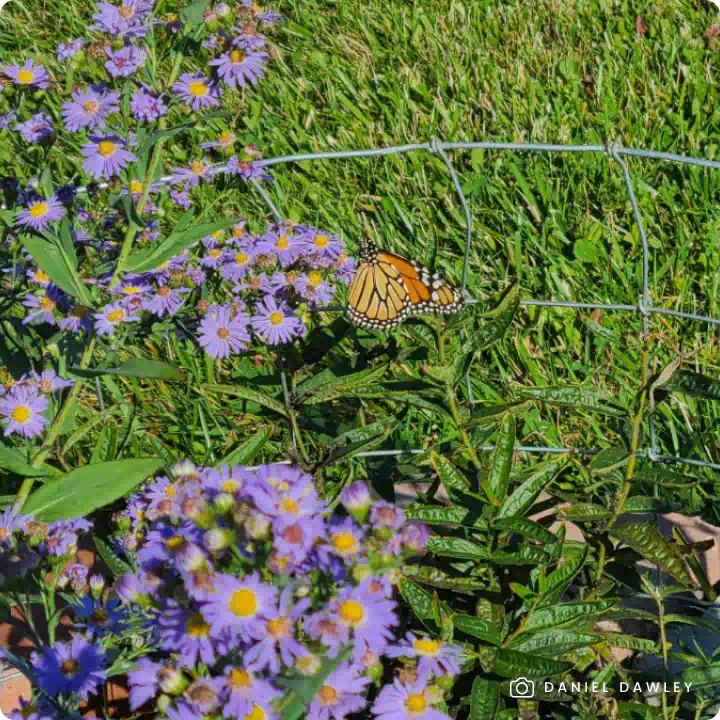
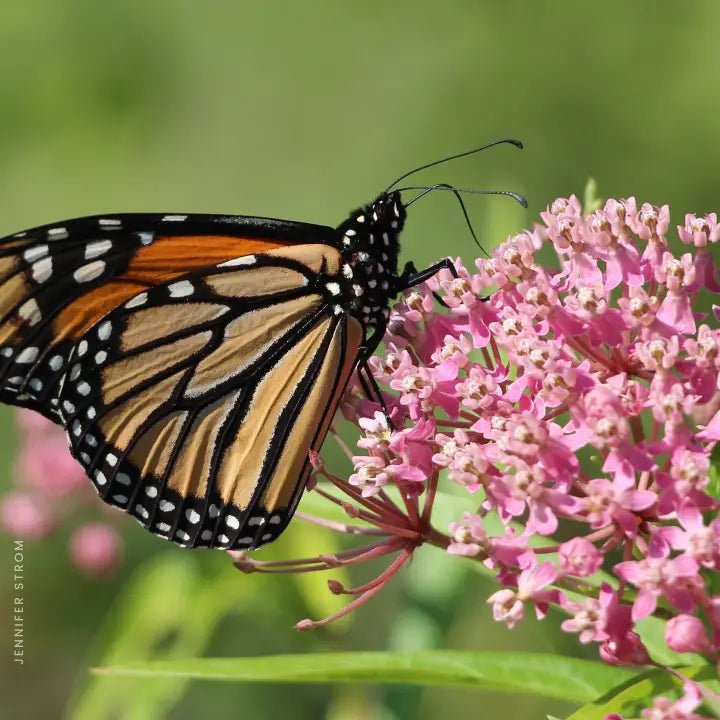
- Essential for Monarchs: Serves as a critical host plant for Monarch butterfly larvae, ensuring their survival and supporting their migration.
- Pollinator Magnet: Clusters of small, brilliant white flowers provide a vital nectar source for a wide range of bees, butterflies, and beneficial insects.
- Drought-Tolerant & Resilient: Naturally adapted to dry, rocky areas and arroyos; requires very little water once established.
- Unique Ornamental Appeal: Features erect stems and lance-shaped to broadly oval leaves that provide year-round texture.
- Low Maintenance: Thrives in average to poor, well-drained soils and requires no fertilizing.
- Pollinator-Safe: Grown non-GMO and free of harmful neonicotinoids, promoting a healthy ecosystem for pollinators and wildlife.
Available in sets of three, six, or 12 plants to suit any garden size.
Why Choose Texas Milkweed?
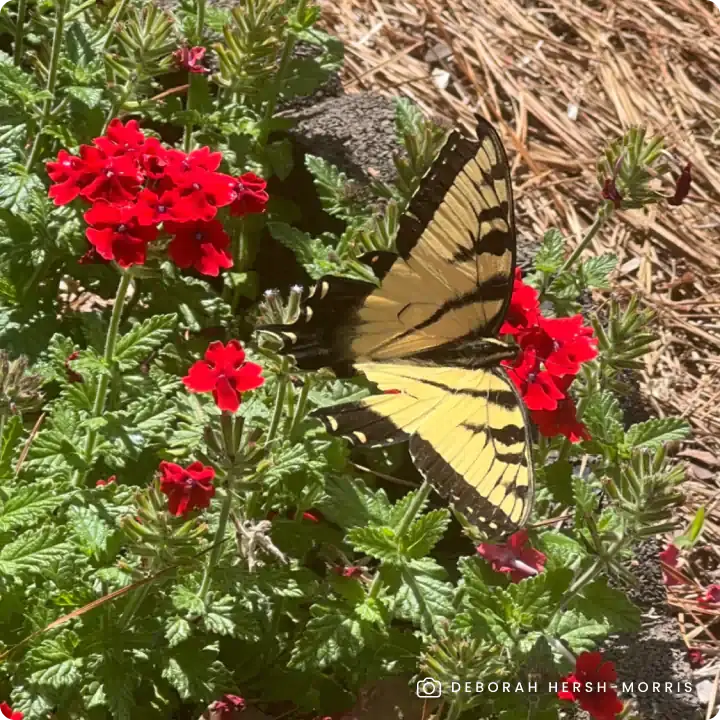
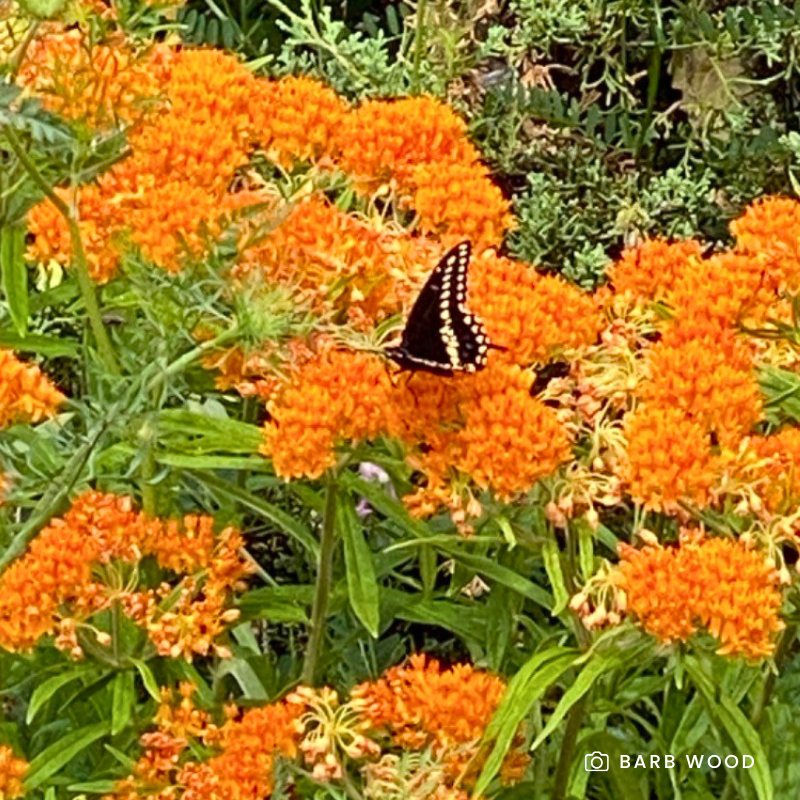
Texas Milkweed combines rare botanical beauty with immense ecological importance. As a member of the dogbane family (Apocynaceae), it is a hardy survivor that brings a "tropical" white-bloom aesthetic to water-wise landscapes. By planting this Texas native, you are providing a specialized habitat for the Zebra Swallowtail and Monarch butterflies while adding a long-blooming, resilient species to your garden.
Planting Tips:
- Location: Plant in full sun with well-drained, sandy, or rocky soil. It is ideal for rock gardens, slopes, and desert-inspired landscapes.
- Watering: Water regularly during the first growing season to establish deep roots. Once mature, water sparingly to mimic natural rainfall; avoid over-watering to prevent root rot.
- Maintenance: Minimal care required. Avoid using pesticides or herbicides near the plant, as these harm the pollinators it is designed to protect.
- Handling: Use caution as all parts of the plant are toxic to humans and pets if ingested. The sap may also cause skin irritation in sensitive individuals.
Note: Texas Milkweed will self-seed in the landscape if seed pods are not removed before they split open. The pods contain seeds attached to feathery filaments that catch the wind.
For more information on planting, view our How to Plant Your Native Plants guide and other planting tips in the Garden for Wildlife Learning Center.
 Grows to:
  Spread:
  Blooms:
  Light Requirements:
  Soil Moisture:
  Soil Description:
  Attracts:
 Verified Buyer