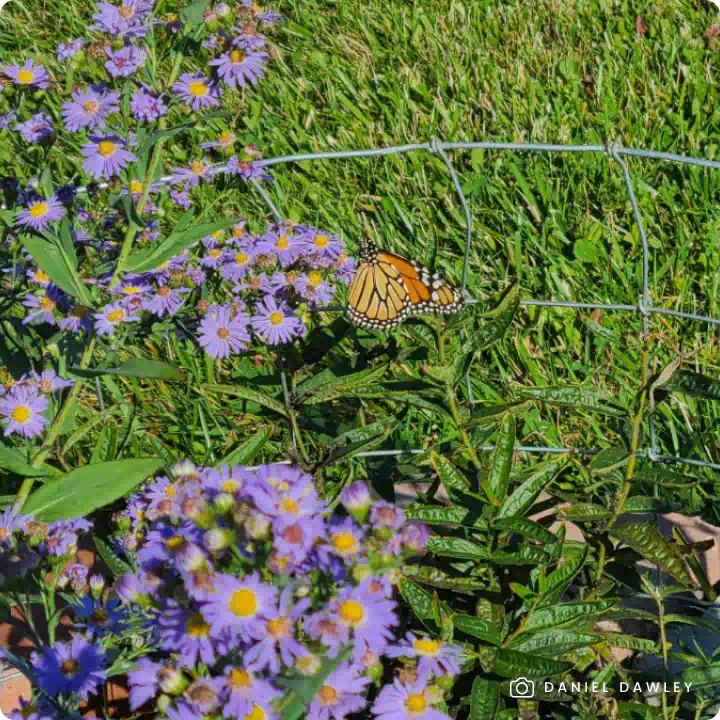




Bring the charm of classic "old gardens" to your modern landscape with Stokes Aster (Stokesia laevis). This low-growing native perennial is prized for its spectacular, 2-to-4-inch flower heads, which feature deeply divided rays in shades of deep violet or lavender-blue surrounding prominent blue florets. Blooming in early summer, the showy flowers stand atop 12-to-24-inch stems, creating a vibrant splash of color rarely found in native plantings.
Below the blooms, a basal cluster of dark green, lance-shaped leaves forms an attractive rosette that persists through the winter, providing year-round groundcover and texture. Adaptable and resilient, Stokes Aster thrives in acidic sands and rich soils alike. It is resistant to deer, rabbits, drought, and heat, making it a low-maintenance favorite for borders, cottage gardens, and sunny spots where you want lasting beauty without the fuss.
Key Features:
- Showy Blue Blooms: Large, intricate flowers (2–4 inches across) in deep violet to lavender-blue appear in early summer.
- Evergreen Rosettes: Dark green, lance-shaped basal leaves persist through winter, offering year-round interest.
- Compact & Groundcovering: Grows 12–24 inches tall and up to 18 inches wide, making it excellent for front-of-border planting.
- Deer & Rabbit Resistant: Unpalatable to deer and rabbits, ensuring your blooms stay intact.
- Drought & Heat Tolerant: Once established, it withstands hot, dry conditions surprisingly well.
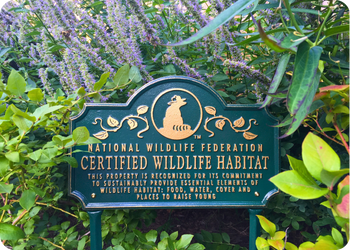
- Pollinator-Safe: Grown non-GMO and free of harmful neonicotinoids, promoting a healthy ecosystem for pollinators and wildlife.
Available in sets of three, six, or 12 plants to create a low-maintenance, colorful border.
Why Choose Stokes Aster?
Stokes Aster is the perfect choice for gardeners who want the nostalgia of an old-fashioned cottage garden combined with the toughness of a native survivor. Its rare blue color is a standout in any setting, and its evergreen foliage works hard as a groundcover even when the plant isn't in bloom. Whether you are filling a sunny border or looking for a deer-resistant edger, this plant delivers high impact with minimal care.
Planting Tips:
- Location: Prefers full sun but tolerates filtered sunlight or partial shade. Thrives in moist, rich, well-drained soil (acidic sands are preferred).
- Watering: Requires well-drained soil; wet soil in winter is the main cause of death. Water regularly to establish, but avoid soggy conditions.
- Maintenance: Minimal care required. There's no need to deadhead the flowers, as allowing them to go to seed provides a valuable food source for birds. Leaving the stems standing in the fall offers overwintering sites for beneficial insects. If desired, cut back the stems in late spring after pollinators have emerged.
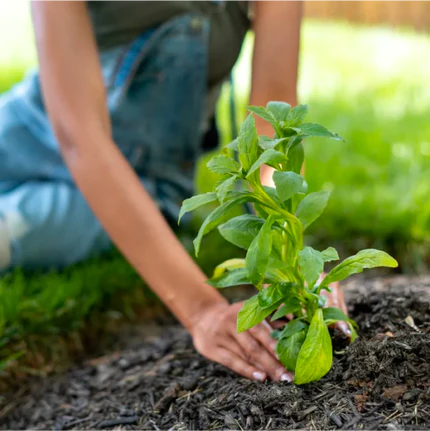
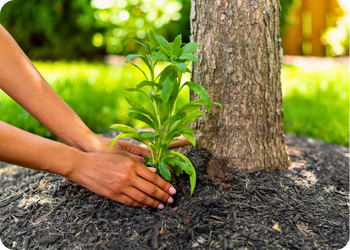
For more information on planting, view our How to Plant Your Native Plants guide and other planting tips in the Garden for Wildlife Learning Center.
 Grows to:
  Spread:
  Blooms:
  Light Requirements:
  Soil Moisture:
  Soil Description:
  Attracts:
 Verified Buyer