
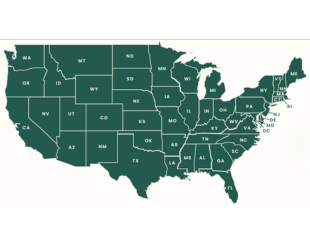






Southern Red Oak (Quercus falcata), also known as Spanish Oak, is a majestic native shade tree that balances rugged, drought-tough resilience with unparalleled ecological value.
A stately, fast-growing icon of the Southeast, the Southern Red Oak is built for large landscapes and challenging environments. Reaching 60 to 80 feet over time (up to 100 feet in optimal conditions) with a broad, open crown, this oak shrugs off poor, dry, and depleted soils. It provides cool, deep summer shade before igniting into rich russet and crimson tones each autumn.
Key Features:
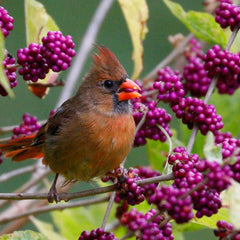
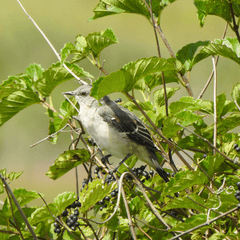
- Keystone Wildlife Tree: Oaks support more native butterflies and moths than any other tree genus on earth. Planting a Southern Red Oak builds a literal ecosystem in your yard, providing the critical caterpillars needed to feed nesting songbirds.
- Tolerates Poor Soils: Naturally adapted to dry, sandy, rocky, or heavy clay upland sites where other shade trees struggle to survive.
- Fast Shade: One of the quickest-growing native oaks, rapidly developing a broad, rounded canopy to shelter your home and lower summer cooling costs.
- Drought-Defying Roots: Once its deep taproot is established, it boasts incredible drought tolerance and handles prolonged dry spells with ease.
- Rich Autumn Display: Distinctive, deeply lobed leaves feature a soft, velvety underside, transitioning from a glossy deep green in summer to brilliant shades of russet and red in the fall.
- Eco-Friendly: Grown non-GMO and neonicotinoid-free to ensure a healthy ecosystem for your local wildlife.
This tree ships in a one gallon container with a robust, established root system, promoting quick establishment and growth after planting.
Why Choose Southern Red Oak?
Southern Red Oak is a generational investment for your property and the planet. It is the ultimate "problem solver" for expansive lawns with dry, nutrient-poor soil. While it acts as a tough, low-maintenance shield against summer heat and wind, it serves a dual purpose as a bustling wildlife lifeline. Its heavy autumn acorn crops provide critical winter fuel for turkeys, blue jays, deer, and squirrels, while its canopy hosts hundreds of beneficial insect species season after season.
Planting Tips:
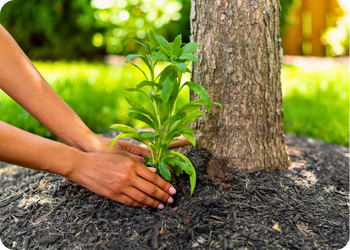
- Location: Plant in full sun to partial shade. Thrives in well-drained, acidic sandy loams or clay loams. Perfect for upland sites, open lawns, and restoration areas.
- Watering: Water regularly during the first growing season to encourage its deep taproot to establish. Once settled, it requires very little supplemental water.
- Maintenance: Extremely low-maintenance. To protect against Oak Wilt disease, restrict any necessary structural pruning to the dead of winter (late transition to spring should be avoided).
For more information on planting, view our How to Plant Your Native Plants guide and other planting tips in the Garden for Wildlife Learning Center.
Introduce the strength and unmatched wildlife value of the Southern Red Oak to your landscape—a majestic native tree that transforms difficult soil into a thriving, bird-friendly canopy for generations to come.
 Grows to:
  Spread:
  Blooms:
  Light Requirements:
  Soil Moisture:
  Soil Description:
  Attracts:
 Verified Buyer