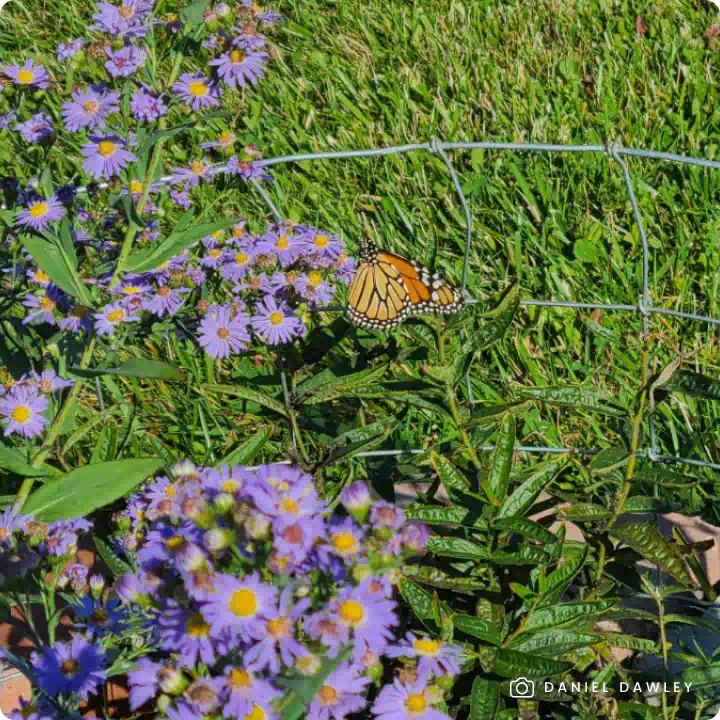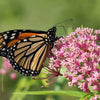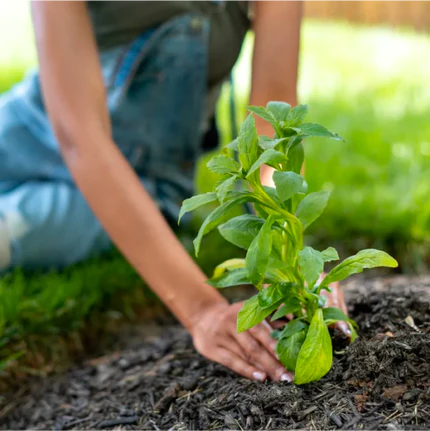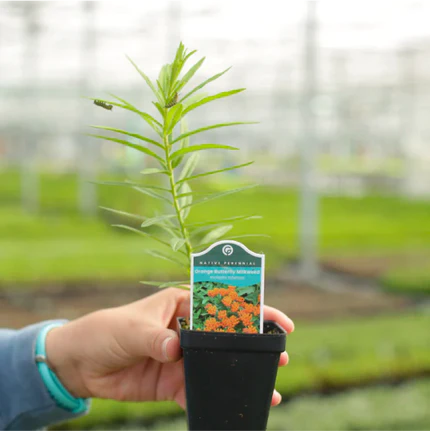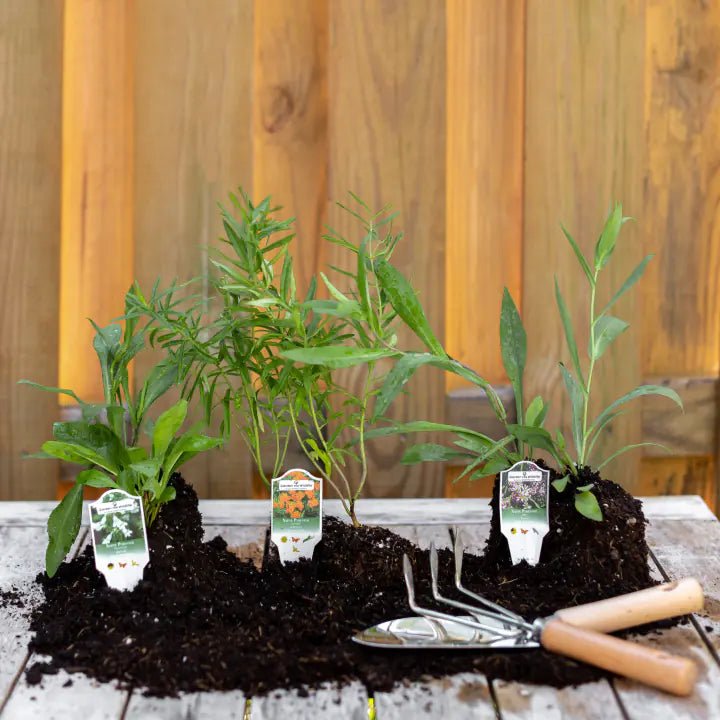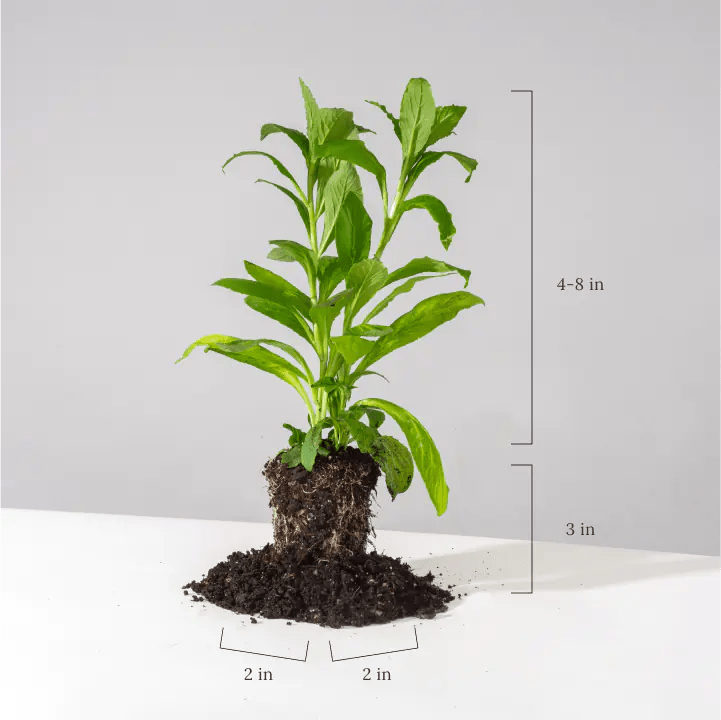
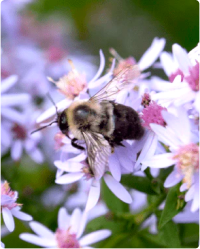
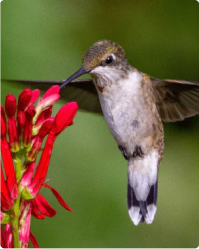
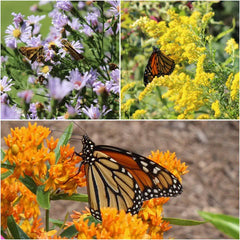
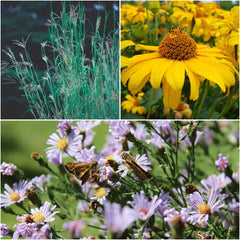






The Purple Pollinator Paradise collection features a striking mix of native perennials with rich purple hues that will attract and support a wide variety of pollinators from spring through fall. These sun and part shade tolerant species provide nectar and pollen for bees, butterflies, and hummingbirds, while adding texture, color, and long-lasting beauty to your garden. Perfect for borders, meadows, and pollinator-friendly landscapes, this collection brings together bold blooms and resilient plants that return year after year with minimal maintenance.
What is Included:
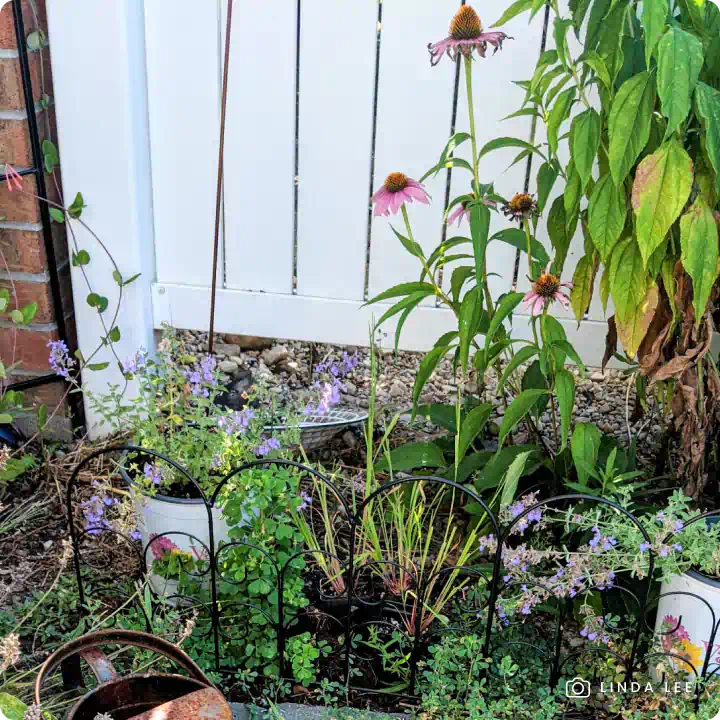
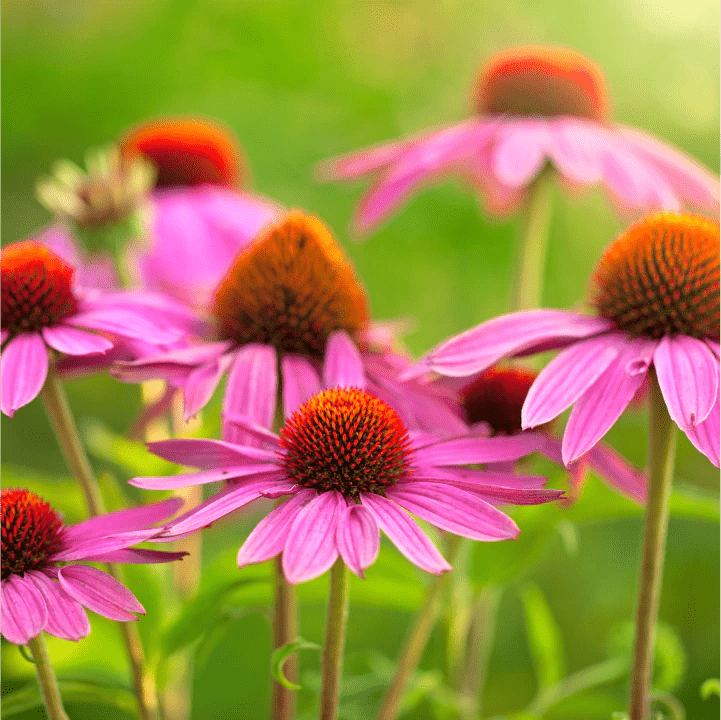
- Purple Coneflower (Echinacea purpurea): A classic prairie wildflower with large, daisy-like purple blooms that support butterflies and seed-eating birds.
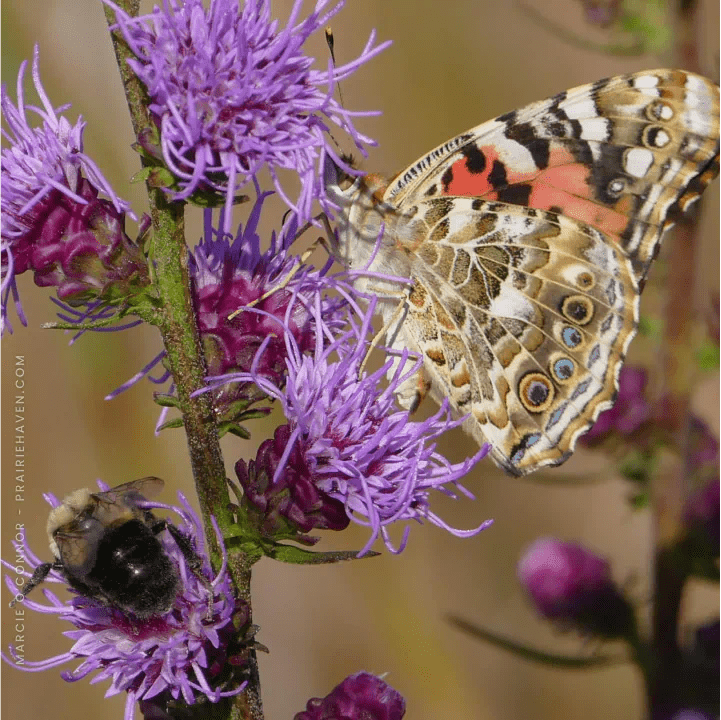
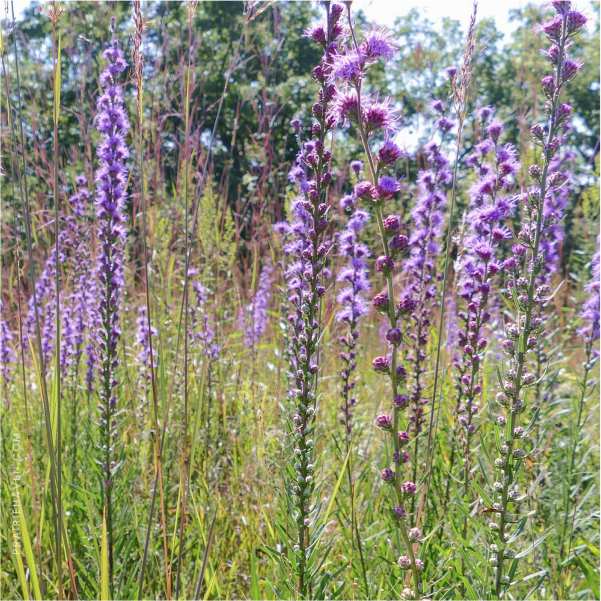
- Rough Blazing Star (Liatris aspera): Tall, upright spikes of tufted purple flowers that attract butterflies and native bees late in the season.
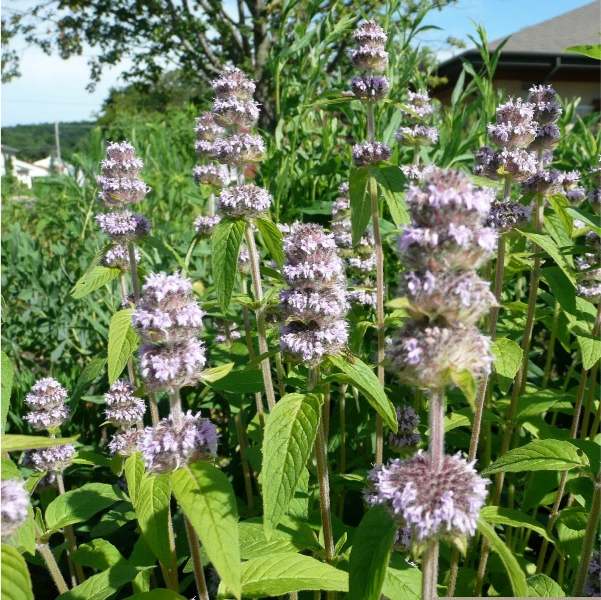
- Downy Woodmint (Blephilia ciliata): A spring to early summer bloomer with soft lavender flowers and fragrant foliage that invites bees and other early pollinators.
Key Features:
- Wildlife Support: Help birds, butterflies, and other important pollinators and wildlife.
- Continuous Color: Bloom across three seasons and return each year.
- Resilient Growth: Never need chemicals and require less water once established.
- Pollinator-Safe: Grown non-GMO and free of harmful neonicotinoids, promoting a healthy ecosystem for pollinators and wildlife.
Available in collections of nine, 18, or 27 plants.
Why Choose Purple Pollinator Paradise?
This carefully curated collection brings together bold blooms and resilient plants designed to provide overlapping bloom times from spring through fall. It ensures a continuous food source for local wildlife while painting your landscape in vibrant, striking purple tones with minimal upkeep.
Planting Tips:
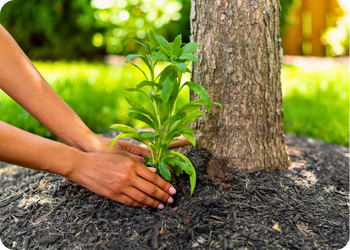
- Location: Plant in full sun to part shade with well-drained soil.
- Watering: Water regularly during the first growing season to establish roots. Require less water once established.
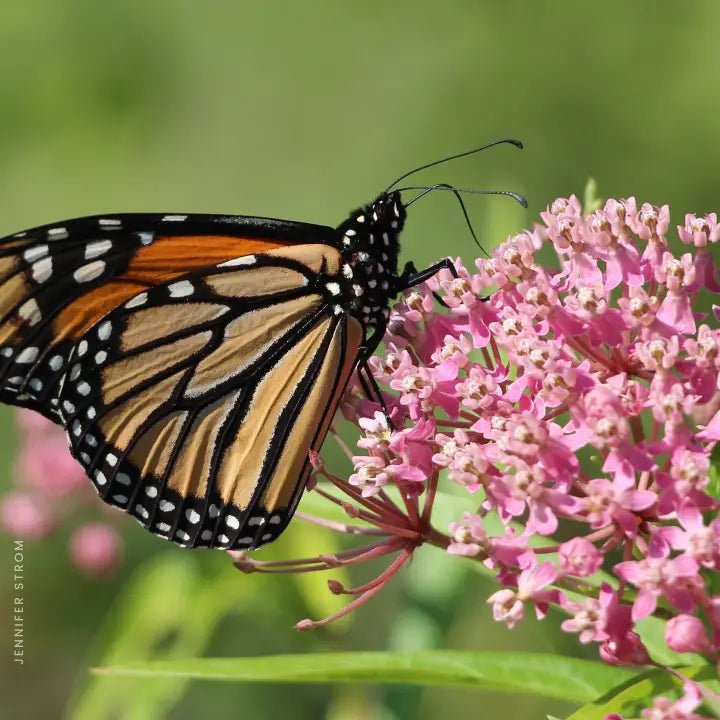
- Maintenance: Minimal care required. There's no need to deadhead the flowers, as allowing them to go to seed provides a valuable food source for birds. Leaving the stems standing in the fall offers overwintering sites for beneficial insects. If desired, cut back the stems in late spring after pollinators have emerged. Avoid spraying pesticides that harm monarch caterpillars.
For more information on planting, view our How to Plant Your Native Plants guide and other planting tips in the Garden for Wildlife Learning Center.
Transform your garden with the striking colors and ecological value of the Purple Pollinator Paradise Collection.
 Grows to:
  Spread:
  Blooms:
  Light Requirements:
  Soil Moisture:
  Soil Description:
  Attracts:
 Verified Buyer